
Using a patch bay helps you organize your studio by acting as a central hub, reducing cable clutter and making setup faster. It allows you to reconfigure signal paths easily with patch cables, saving time and effort. You can connect digital and wireless devices seamlessly, ensuring high-quality sound while keeping things tidy. Troubleshooting becomes simpler, and expanding your studio is straightforward. To discover more about how patch bays can transform your space, keep exploring the benefits they offer.

Get audio and creator gear delivered free with Prime
- Fast, free delivery on millions of items
- Prime Video, Amazon Music and more included
- Member-only deals all year
Key Takeaways
- Centralize connections, reducing the need for multiple cables and minimizing clutter.
- Simplify signal rerouting and troubleshooting by swapping patch cables instead of replugging equipment.
- Support digital and wireless integration, decreasing physical cable requirements.
- Enable quick expansion and reconfiguration without disrupting the entire setup.
- Maintain an organized, professional studio environment with streamlined cable management.
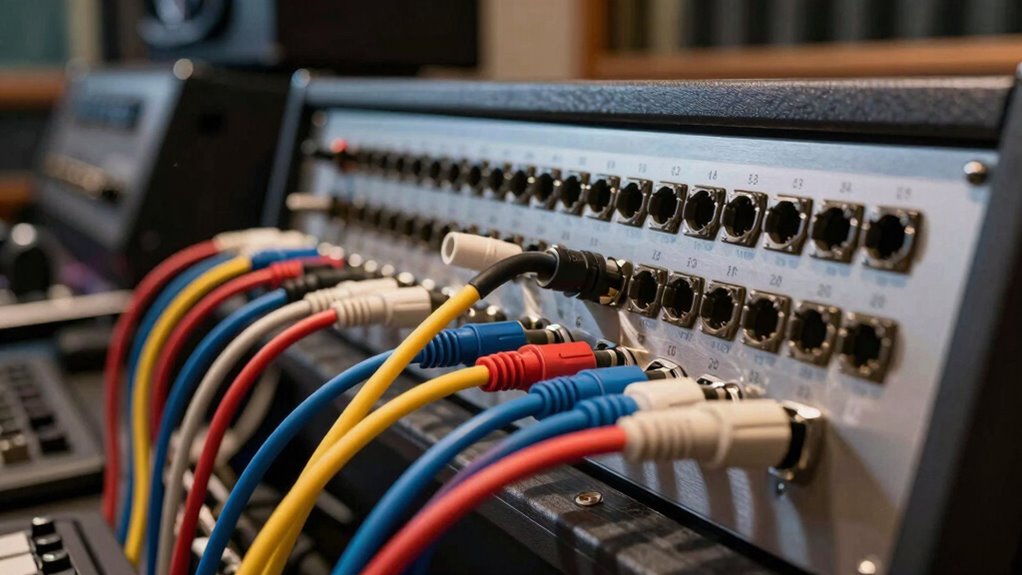
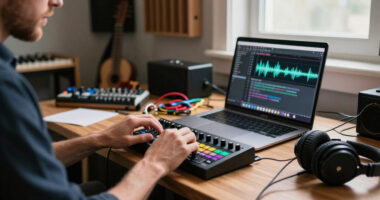
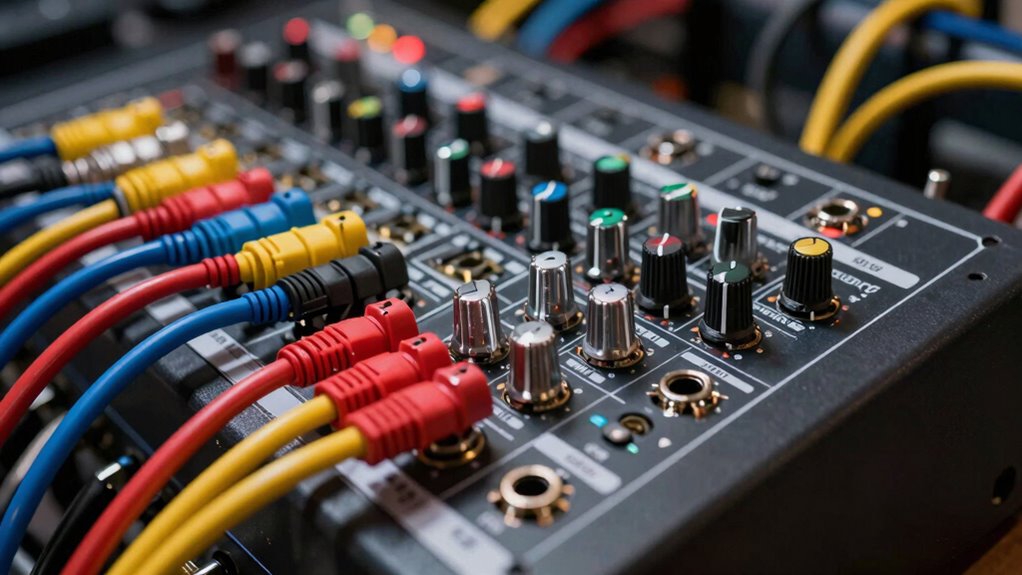
In busy recording studios, cable clutter can quickly become a nightmare, causing confusion and wasting valuable time. When you’re juggling multiple instruments, microphones, and outboard gear, tangled cables slow down your workflow and increase the risk of disconnections or damage. That’s where patch bays come into play, acting as the central hub that streamlines your setup and keeps everything organized. Instead of running cables directly from each device to your mixer or interface, you connect them to the patch bay. From there, you can easily reroute signals with a quick patch cable, saving you time and reducing mess.
One of the biggest advantages of using patch bays is their support for wireless integration and digital connectivity. Modern patch bays often include features that allow you to connect digital gear seamlessly, whether it’s via AES/EBU, Dante, or other digital protocols. This means you can integrate digital audio interfaces or networked audio systems without cluttering your space with extra cables. Wireless integration is also facilitated through compatible interfaces, enabling you to connect wirelessly to devices like tablets or computers for remote control or adjustments. This flexibility lets you manage your studio environment more efficiently, reducing physical clutter and increasing your ability to adapt quickly during recording sessions. Additionally, digital connectivity supports the transmission of high-quality audio without degradation, which is essential for professional recordings. Incorporating digital protocols into your studio setup can significantly enhance your signal quality and reliability. Furthermore, having a centralized connection system like a patch bay can help streamline your workflow and improve your overall studio organization. Maintaining proper cable management practices is essential for avoiding accidental disconnections and ensuring a safe environment for your equipment.
Modern patch bays support seamless digital and wireless integration, enhancing studio flexibility and reducing cable clutter for efficient recording sessions.
Patch bays also simplify the process of expanding your setup. As your studio grows and you add new gear, you don’t need to reconfigure your entire cabling system. Instead, you just connect the new equipment to the patch bay, and then patch it into your existing signal flow. This modular approach makes troubleshooting easier since you can isolate issues by swapping patch cables or unplugging certain connections without disturbing the entire system. Additionally, with digital connectivity options, you can route signals directly between digital devices, bypassing traditional analog cables, which often degrade audio quality over long runs.
Furthermore, patch bays enhance your studio’s overall efficiency. You spend less time troubleshooting cable issues and more time focusing on your creative work. They also help protect your expensive gear by preventing unnecessary wear and tear caused by constantly plugging and unplugging cables. With a well-organized patch bay system, you can quickly access different signal paths, making your workflow smoother and more professional. Overall, patch bays are an essential investment, especially in environments where digital connectivity and wireless integration are crucial, ensuring your studio remains clutter-free and highly functional.
As an affiliate, we earn on qualifying purchases.
Frequently Asked Questions
What Are the Different Types of Patch Bays Available?
You’ll find several patch bay types to help with cable organization. Passive patch bays connect gear without power, ideal for simple setups. Active ones include built-in amplifiers for better signal integrity. They also come in various configurations like 1/4-inch, TT, or Bantam, depending on your needs. Selecting the right patch bay type guarantees your studio stays organized, reduces cable clutter, and maintains high-quality audio signal flow.
How Do Patch Bays Impact Studio Signal Quality?
Patch bays profoundly impact your studio’s signal quality by ensuring proper cable organization and maintaining signal integrity. When you use a patch bay, you reduce cable clutter, which minimizes interference and signal degradation. This organized setup allows for cleaner connections, better noise control, and easier troubleshooting. As a result, your studio benefits from clearer sound, more reliable signal flow, and smoother workflows, all thanks to effective patch bay management.
Can Patch Bays Be Used With Digital Audio Equipment?
You can definitely use patch bays with digital audio equipment, but be aware of compatibility concerns. Digital integration has made patch bays more versatile, yet not all models support digital signals seamlessly. You might need a patch bay specifically designed for digital connections, to avoid issues like signal degradation or grounding problems. Think of it as having the right tools for the job; the right patch bay makes digital workflows smoother.
What Is the Typical Lifespan of a Patch Bay?
A typical patch bay lasts around 10 to 20 years, depending on usage and build quality. You’ll find that good cable organization and careful handling can extend its equipment durability. Regular maintenance, avoiding excessive force, and keeping dust away help guarantee your patch bay remains reliable. With proper care, you can maximize its lifespan, maintaining smooth signal flow and avoiding the chaos that comes with disorganized cables.
How Do I Troubleshoot Patch Bay Connection Issues?
To troubleshoot patch bay connection issues, start by checking your cable organization—ensure all cables are securely connected and undamaged. Next, verify proper signal routing by testing individual connections and using a multimeter if needed. If problems persist, clean the contacts with contact cleaner and re-seat the patch points. Systematically inspecting these areas helps identify faults quickly, restoring smooth signal flow and preventing cable chaos.
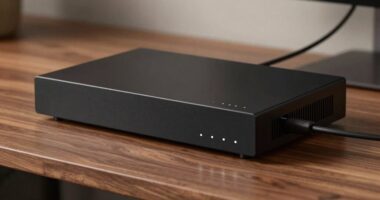
audio patch bay with digital connectivity
As an affiliate, we earn on qualifying purchases.
As an affiliate, we earn on qualifying purchases.
Conclusion
With patch bays in place, you gently tame the tangled forest of cables, guiding them into neat, organized pathways. They act like silent guardians, quietly preventing chaos from creeping into your studio’s harmony. Instead of wrestling with a wild tangle, you enjoy a smooth, effortless flow, like a well-choreographed dance. In this orderly sanctuary, creativity can flourish without the noise of chaos, allowing your music to shine brighter than ever before.
rack mount patch bay for recording studio
As an affiliate, we earn on qualifying purchases.
As an affiliate, we earn on qualifying purchases.
As an affiliate, we earn on qualifying purchases.
Halloween Picks
halloween
As an affiliate, we earn on qualifying purchases.