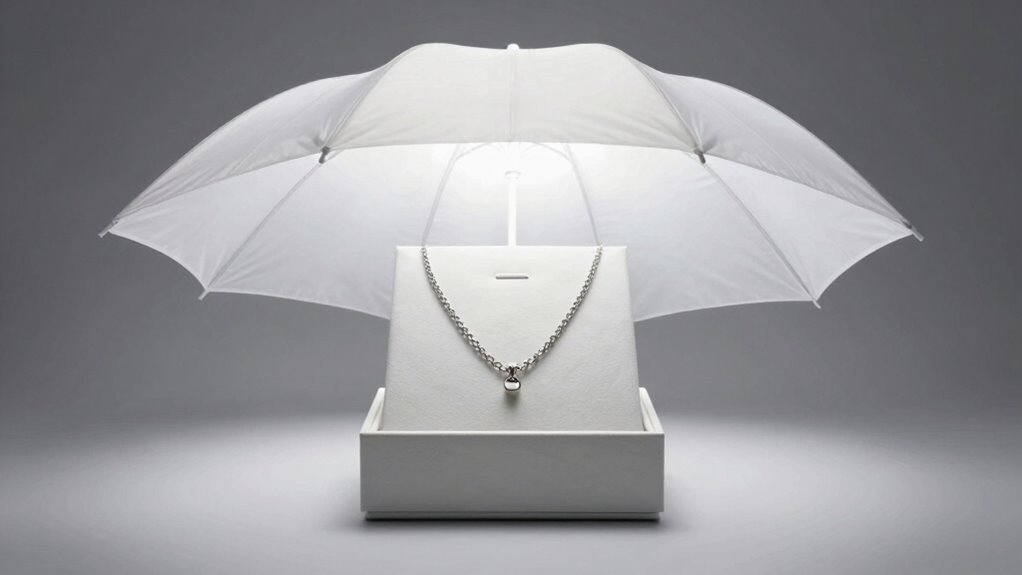
Product photography lighting really does wonders for your merch sales. It helps you highlight key features, showcase true colors, and create a mood that attracts customers. Proper lighting and camera settings guarantee your photos look professional, sharp, and vibrant. By controlling shadows and reflections, you present your products in their best light, boosting trust and desire. Mastering lighting techniques can considerably increase engagement and sales—so, if you want to discover how to make your images pop, continue exploring.

Get audio and creator gear delivered free with Prime
- Fast, free delivery on millions of items
- Prime Video, Amazon Music and more included
- Member-only deals all year
Key Takeaways
- Enhances product details and true colors, increasing trust and perceived quality.
- Creates visually appealing images that attract more clicks and customer engagement.
- Builds consistency and brand cohesion, encouraging repeat purchases.
- Highlights key features, helping customers make informed buying decisions.
- Elevates overall image professionalism, boosting credibility and sales conversion rates.
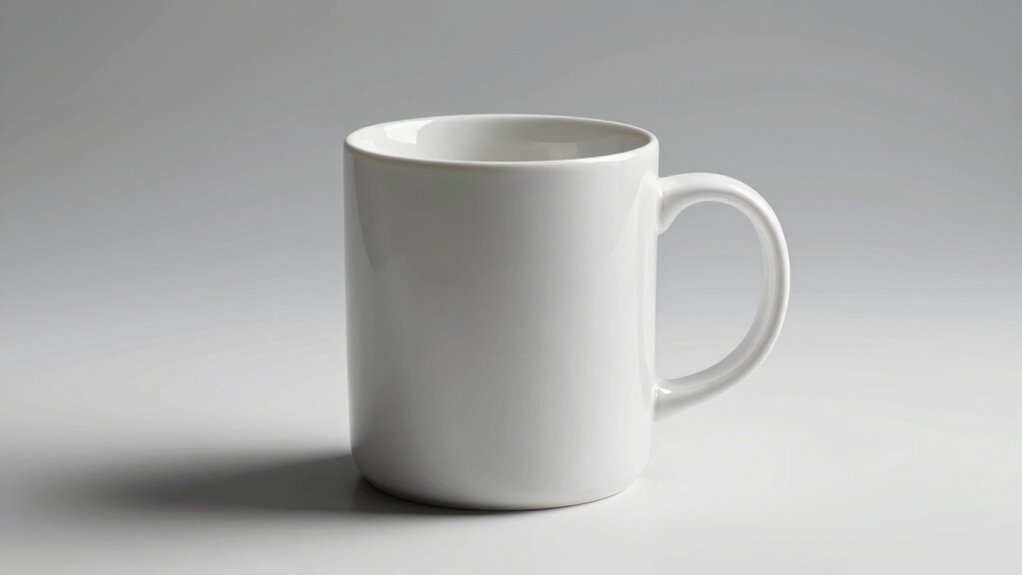
Have you ever wondered how professional product photos capture every detail and make items stand out? The secret lies in how expertly you control your product photography lighting. Lighting isn’t just about illumination; it’s a powerful tool that influences how your products are perceived and ultimately sold. When you focus on lighting color, you can set the mood and highlight specific features, making your products look more appealing and true to life. Warm tones can evoke comfort and luxury, while cooler shades might communicate freshness or modernity. The right lighting color helps you craft the story you want your product to tell, drawing customers in and encouraging them to make a purchase.
Lighting color sets the mood and highlights features, making products more appealing and true to life.
Equally important are your camera settings, which work hand-in-hand with your lighting choices. Proper camera settings—such as aperture, shutter speed, and ISO—ensure your photos are sharp, well-exposed, and vibrant. If your lighting is too harsh, your camera settings need to compensate to avoid overexposure or harsh shadows. Conversely, softer lighting requires adjustments to capture enough detail without making your shots appear dull. Adjusting the aperture can help you control depth of field, making your product stand out sharply against a blurred background. Shutter speed prevents motion blur, especially if you’re shooting handheld, while ISO impacts the overall brightness and noise levels. When you fine-tune these settings based on your lighting color and intensity, your product images become more compelling. Additionally, understanding lighting color allows you to create specific moods and accurately represent your products’ true appearance. Mastering lighting control is essential for achieving the perfect balance between light, shadow, and color. Using knowledge about color temperature can also help you select the right lighting for different product styles and settings. Proper lighting setup and understanding of product presentation can further enhance the overall visual impact of your images.
Good lighting also helps you manage shadows and reflections, which can distract viewers or distort your product’s appearance. Using diffusers, reflectors, or lightboxes, you can soften shadows and evenly distribute light across the product’s surface. This setup allows your camera to capture the true colors and intricate details, making every feature pop. Properly balancing lighting and camera settings ensures consistency across your product images, building a cohesive brand look. When your camera settings are dialed in correctly, the images will be clear and vibrant, accurately representing the product’s true look. This precision builds trust with your audience, showing that your products are high-quality and worth their money.
Ultimately, what product photography lighting really does for merch sales is create images that attract, inform, and persuade. It’s about more than just brightening a shot—it’s about carefully choosing lighting color and optimizing camera settings to produce professional-quality photos. When you master these elements, your product images will stand out in crowded online marketplaces, enticing customers to click, explore, and buy. Good lighting and thoughtful camera work make your products irresistible, turning viewers into loyal buyers.
product photography lighting kit
As an affiliate, we earn on qualifying purchases.
As an affiliate, we earn on qualifying purchases.
Frequently Asked Questions
How Does Lighting Affect Customer Perceived Product Quality?
Lighting directly influences how customers perceive your product quality by enhancing color accuracy and controlling shadows. When you use proper lighting, your product’s true colors come through, making it look more appealing and trustworthy. Effective shadow management ensures the product appears clear and professional, avoiding distractions. This combination helps create a positive impression, convincing customers of the product’s value and encouraging them to make a purchase.
What Are the Cost Differences Between Various Lighting Setups?
They say, “You get what you pay for,” and that’s true with lighting setups. Basic LED ring lights are affordable, offering simple setup and lower costs. More complex setups, like studio strobes with modifiers, increase costs and setup complexity but deliver higher quality images. Your choice depends on your budget and desired results. Balancing cost comparison and setup complexity helps you find the right lighting for your product shots.
Can Natural Light Be as Effective as Studio Lighting?
Natural light can be just as effective as studio lighting if you harness natural contrast and daylight warmth. You’ll want to shoot during the right time of day, like golden hour, to capture those warm tones and soft shadows. Position your products near windows and use reflectors to bounce light into shadows. While studio lighting offers consistency, natural light can bring a genuine, inviting feel that resonates with shoppers.
How Quickly Can Lighting Improvements Boost Sales?
Lighting improvements can skyrocket sales almost overnight, transforming your product images into eye-catching magnets. By enhancing product color and ensuring image consistency, you create a visual story that draws customers in and builds trust. As your lighting sharpens, your photos become more compelling, making your merchandise stand out. Expect to see a noticeable boost in engagement and conversions within days, as shoppers respond to the polished, vibrant visuals that truly showcase your products’ worth.
What Are Common Lighting Mistakes That Hurt Product Appeal?
You often hurt your product appeal by ignoring color accuracy, which can make items look dull or misleading. Poor shadow management creates distracting dark spots or glare, obscuring details and reducing visual appeal. To improve, use even lighting to enhance color precision and minimize harsh shadows. Properly balanced lighting highlights your products’ best features, making them more attractive and convincing to potential buyers.
As an affiliate, we earn on qualifying purchases.
Conclusion
You might think lighting is just about making your product look good, but it’s so much more—it can truly influence buying decisions. When you understand how proper lighting highlights your product’s best features and creates the right mood, you’re more likely to boost sales. The truth? Good lighting isn’t just an aesthetic choice; it’s a strategic tool that builds trust and desire. Master it, and watch your merchandise stand out and sell faster.
diffusers and reflectors for photography
As an affiliate, we earn on qualifying purchases.
As an affiliate, we earn on qualifying purchases.
color temperature adjustable LED lights
As an affiliate, we earn on qualifying purchases.
As an affiliate, we earn on qualifying purchases.
Halloween Picks
halloween
As an affiliate, we earn on qualifying purchases.