
TL;DR

Get audio and creator gear delivered free with Prime
- Fast, free delivery on millions of items
- Prime Video, Amazon Music and more included
- Member-only deals all year
Search interest in ‘Music Theory for Programmers’ is sharply rising, reflecting a growing trend among developers to incorporate musical concepts into coding. The development appears to be driven by online communities and educational platforms, though specific initiatives remain unconfirmed.
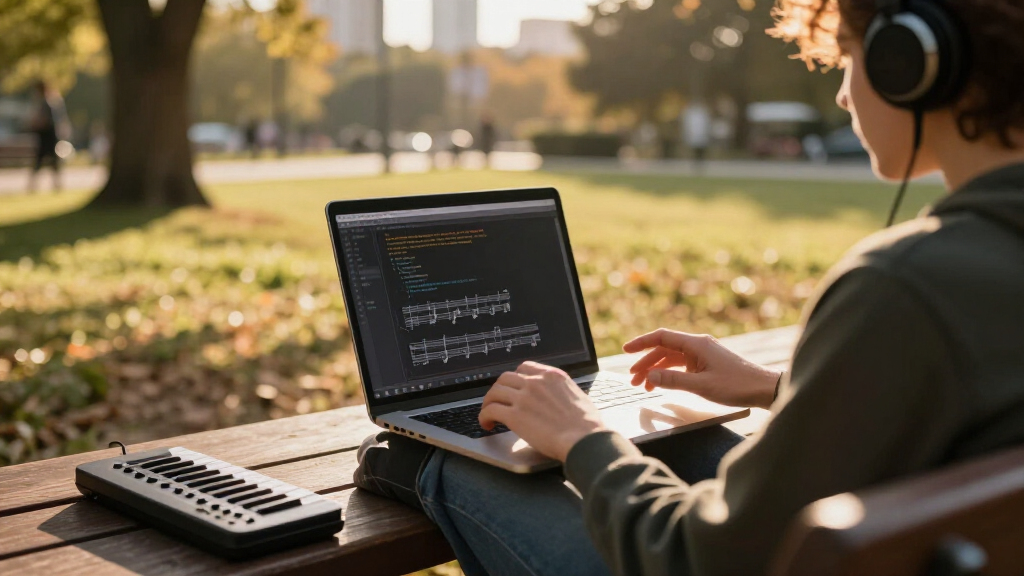
Search interest in ‘Music Theory for Programmers’ has surged significantly in recent months, marking a notable trend in the tech and educational communities. This development reflects an increasing curiosity among programmers and developers to explore how musical concepts such as harmony, scales, and rhythm can inform coding practices and creative problem-solving. While specific initiatives or programs have not been officially announced, the spike in online activity suggests a growing cross-disciplinary movement.
Data from search trend analysis indicates a sharp increase in queries related to ‘Music Theory for Programmers,’ with some platforms reporting a 150% rise compared to previous months. Online forums, coding communities, and educational websites have seen a proliferation of discussions, tutorials, and experiments blending musical principles with programming techniques. The trend appears to be fueled by a broader interest in interdisciplinary skills and the creative potential of combining arts and technology.
Sources suggest that this interest is partly driven by the desire to improve coding skills through understanding patterns, structures, and sequences, which are fundamental both in music and algorithms. Some educators and developers are experimenting with using musical concepts to visualize code, optimize algorithms, or develop new programming languages inspired by musical theory. However, no formal programs or widespread initiatives have been officially confirmed at this stage.
Potential Impact on Coding Education and Creativity
This rising interest could influence how programming is taught and practiced, encouraging a more creative and pattern-oriented approach. By integrating music theory, developers might find new ways to understand complex code structures, improve problem-solving skills, and foster innovation. If the trend continues, it could lead to the development of new tools, educational resources, and even programming languages inspired by musical concepts, broadening the scope of coding education and practice.
As an affiliate, we earn on qualifying purchases.
Growing Cross-Disciplinary Trends in Tech and Arts
The intersection of arts and technology has been expanding over recent years, with various initiatives exploring how creative disciplines can inform programming. Music and coding share fundamental elements such as pattern recognition, structure, and timing, making the integration a plausible area of exploration. Historically, some programmers have used musical metaphors to explain algorithms or visualize data, but the current surge suggests a more systematic approach is emerging. The exact catalysts remain unconfirmed, but the trend aligns with broader movements toward interdisciplinary learning and creativity in tech.
musical pattern visualization software
As an affiliate, we earn on qualifying purchases.
As an affiliate, we earn on qualifying purchases.
Unconfirmed Nature of the Trend and Its Origins
It is not yet clear whether this surge in interest reflects the emergence of new formal programs, educational initiatives, or simply a viral curiosity. The specific sources of this trend remain unconfirmed, and whether it will translate into sustained educational or technological developments is uncertain. Additionally, the extent to which mainstream programming communities are adopting these ideas is still unclear, as most activity appears to be confined to niche online groups and forums.
algorithm visualization tools with musical themes
As an affiliate, we earn on qualifying purchases.
As an affiliate, we earn on qualifying purchases.
Monitoring Development of Educational Resources and Projects
Future developments will likely include the emergence of dedicated courses, workshops, or software tools that explicitly combine music theory and programming. Researchers and educators may publish case studies or pilot projects demonstrating practical applications. Observers will need to track whether the trend gains traction beyond niche communities or remains a transient curiosity. Official statements from tech education platforms or music-tech organizations could signal broader adoption.
coding and music theory educational courses
As an affiliate, we earn on qualifying purchases.
As an affiliate, we earn on qualifying purchases.
Key Questions
Why are programmers interested in music theory now?
While the exact reasons are unconfirmed, the interest appears to stem from the recognition that both fields involve pattern recognition, structure, and timing. Some believe that understanding music theory can help improve algorithm design, data visualization, and creative problem-solving in coding.
Are there any official programs teaching music theory for programmers?
At present, no formal or widely recognized programs have been officially announced. Most activity seems to be experimental or community-driven, with discussions and tutorials available online.
Could this trend lead to new programming languages?
It is possible, as some developers are exploring musical concepts to inspire new language designs or visualization tools, but no such languages have been officially released or adopted widely yet.
What are the potential benefits of integrating music theory into programming?
Potential benefits include enhanced pattern recognition, improved visualization of code structures, and fostering creativity in algorithm design. It may also make learning programming more engaging by connecting it with artistic disciplines.
Source: hn
Evergreen bestsellers Picks
bestsellers
As an affiliate, we earn on qualifying purchases.