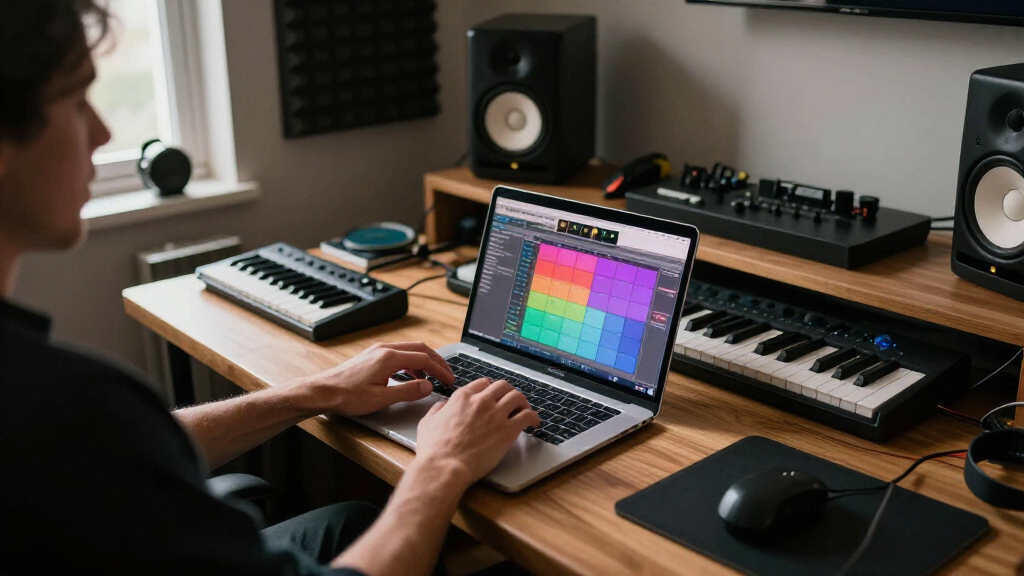
If you’re new to music production, choosing the right software can feel overwhelming. The best options for beginners combine intuitive interfaces with enough features to grow your skills. FL Studio stands out as the overall best for its user-friendly layout and extensive tutorials. Logic Pro offers professional tools at a friendly price, while some choices, like the Pro Tools beginner version, focus on industry-standard workflows. Tradeoffs often include balancing ease of use versus advanced features or affordability versus future-proofing. Continue reading for a detailed breakdown to help you find the perfect fit for your music-making journey.

Get audio and creator gear delivered free with Prime
- Fast, free delivery on millions of items
- Prime Video, Amazon Music and more included
- Member-only deals all year
Complete the kit


Key Takeaways
- The top picks balance ease of use with enough features to support skill development.
- Affordable options like FL Studio provide great value but may lack some advanced capabilities of pro-level software.
- Some programs, such as Logic Pro, offer a one-time purchase, making them cost-effective long-term compared to subscription-based options.
- Interface design and workflow are critical for beginners to stay motivated and avoid frustration.
- Choosing software aligned with your specific music genre or production style can streamline your learning curve.
| DAW 101: The Beginner’s Blueprint for Music Production Software |  | Best Introductory Guide for Absolute Beginners | Focus: Introductory concepts for beginners | Content: Fundamental principles of music production | Format: Book | VIEW LATEST PRICE | See Our Full Breakdown |
| Music Production for Beginners: How to Produce Music, The Easy-to-Read Guide for Music Producers, Artists & Songwriters |  | Best for Practical Learning with Bonus Content | Audience: Beginners, artists, and songwriters | Content: Step-by-step instructions with bonus videos | Format: Book with video lessons | VIEW LATEST PRICE | See Our Full Breakdown |
| FL Studio User’s Guide: A Complete Step-by-Step Manual for Music Production, Beat Making, Arranging, and Mixing |  | Best for Step-by-Step Learning on FL Studio | Focus: FL Studio music production | Content: Beat making, arranging, mixing | Format: Guidebook | VIEW LATEST PRICE | See Our Full Breakdown |
| FL Studio Music Production for Beginners: Step-by-Step Guide to Making Beats, Melodies, and Full Songs |  | Best Practical Guide for Modern FL Studio Users | Focus: FL Studio full song creation | Content: Beats, melodies, song structure | Format: Step-by-step guide | VIEW LATEST PRICE | See Our Full Breakdown |
| Logic Pro – Apple Pro Training: Professional Music Production |  | Best for Comprehensive Learning of Logic Pro | Focus: Logic Pro music production | Coverage: Features, workflows, tips | Format: Book | VIEW LATEST PRICE | See Our Full Breakdown |
| The Beginner’s Guide to Computer-Based Music Production | 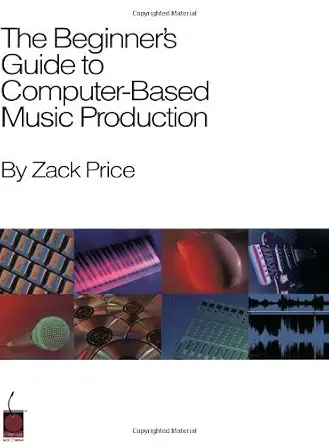 | Best for Complete Beginners Starting with Theory | VIEW LATEST PRICE | See Our Full Breakdown | |||
| How to Use Pro Tools Software for Beginners: From First Session to Final Mix |  | Best Step-by-Step Software Guide for Pro Tools Newcomers | VIEW LATEST PRICE | See Our Full Breakdown | |||
| FL Studio 20 Producer Edition |  | Best Comprehensive DAW for Aspiring Producers Ready to Experiment | Compatible Devices: PC, Laptop | Supported Software: FL Studio | Connectivity Technology: USB | VIEW LATEST PRICE | See Our Full Breakdown |
| music production software for beginner | Format | Focus | Content |
|---|---|---|---|
| DAW 101: The Beginner’s Bluepr | Book | Introductory concepts for beginners | Fundamental principles of music production |
| Music Production for Beginners | Book with video lessons | — | Step-by-step instructions with bonus videos |
| FL Studio User’s Guide: A Comp | Guidebook | FL Studio music production | Beat making, arranging, mixing |
| FL Studio Music Production for | Step-by-step guide | FL Studio full song creation | Beats, melodies, song structure |
| Logic Pro | Book | Logic Pro music production | — |
| The Beginner’s Guide to Comput | — | — | — |
| How to Use Pro Tools Software | — | — | — |
| FL Studio 20 Producer Edition | — | — | — |
More Details on Our Top Picks
DAW 101: The Beginner’s Blueprint for Music Production Software
This book stands out for those just starting out with digital audio workstations, providing clear explanations of fundamental concepts without overwhelming technical detail. Unlike the more comprehensive FL Studio guides, it focuses on foundational understanding, making it ideal for newcomers who need a solid conceptual base. However, it doesn’t include software or advanced techniques, so users seeking hands-on practice or deeper features will find it limited. This pick makes the most sense for absolute beginners who want to grasp the basics before jumping into software.
Pros:- Ideal for absolute beginners learning core concepts
- Provides clear, accessible explanations of music production fundamentals
- Focuses on foundational understanding without technical overwhelm
Cons:- Lacks detailed technical or advanced production techniques
- No included software, plugins, or practical tools
Best for: Complete beginners unfamiliar with any music production tools and wanting a conceptual overview.
Not ideal for: Intermediate users or those ready to dive into specific DAW features with practical workflows, as it lacks hands-on instructions.
- Focus:Introductory concepts for beginners
- Content:Fundamental principles of music production
- Format:Book
Our verdict“This guide is perfect for those who need a solid conceptual starting point before exploring specific DAWs.”
Music Production for Beginners: How to Produce Music, The Easy-to-Read Guide for Music Producers, Artists & Songwriters
This guide makes a strong case for beginners seeking straightforward instructions combined with multimedia learning, thanks to its bonus video lessons that enhance understanding. Compared to the FL Studio User’s Guide, it offers a more accessible, step-by-step approach and is suitable for a wide range of artists and songwriters. However, it doesn’t specify technical specs or advanced features, making it less ideal for those aiming for detailed technical mastery. It’s best suited for newcomers who prefer visual learning and practical tips over technical depth.
Pros:- Easy-to-understand instructions tailored for beginners
- Includes bonus video lessons for visual and practical learning
- Versatile for producers, artists, and songwriters
Cons:- Lacks detailed technical specifications or advanced techniques
- Content may be too basic for experienced users seeking depth
Best for: Aspiring producers, artists, and songwriters who want easy-to-follow instructions paired with visual tutorials.
Not ideal for: Advanced producers or those requiring detailed technical specifications, as content remains basic and introductory.
- Audience:Beginners, artists, and songwriters
- Content:Step-by-step instructions with bonus videos
- Format:Book with video lessons
Our verdict“This guide is ideal for beginners who prefer visual aids and practical, straightforward instructions over technical complexity.”
FL Studio User’s Guide: A Complete Step-by-Step Manual for Music Production, Beat Making, Arranging, and Mixing
This guide excels in delivering detailed, step-by-step instructions for FL Studio, making it suitable for both complete beginners and those looking to refine their skills. Unlike the more general ‘Music Production for Beginners’ guide, it dives deep into beat making, arrangement, and mixing tailored specifically to FL Studio’s interface. Its main drawback is the lack of included software or hardware, so users need to own FL Studio separately. This makes it perfect for new users committed to mastering FL Studio’s features through structured guidance.
Pros:- Comprehensive, step-by-step instructions for FL Studio
- Covers essential skills like beat making, arranging, and mixing
- Suitable for all skill levels, from beginner to intermediate
Cons:- Requires users to already own or purchase FL Studio separately
- Limited to FL Studio users; not applicable to other DAWs
Best for: New FL Studio users who want detailed tutorials on beat creation, arrangement, and mixing.
Not ideal for: Producers using other DAWs or those seeking a more general music production overview without FL Studio-specific content.
- Focus:FL Studio music production
- Content:Beat making, arranging, mixing
- Format:Guidebook
Our verdict“This guide is best for beginners committed to learning FL Studio thoroughly from the ground up.”
FL Studio Music Production for Beginners: Step-by-Step Guide to Making Beats, Melodies, and Full Songs
This guide offers a practical, step-by-step approach to creating full songs, beats, and melodies in FL Studio, making it ideal for beginners eager to produce complete tracks. Unlike the more technical ‘FL Studio User’s Guide,’ it emphasizes workflows and real-world tools that help users build skills quickly. The main limitation is the absence of detailed technical specifications or information about included resources, which might be a concern for those seeking a comprehensive package. It’s best for learners who want to start producing right away with clear, actionable steps.
Pros:- Clear, step-by-step instructions for beginners
- Focus on practical workflows for creating full tracks
- Covers various aspects of music production with FL Studio
Cons:- Lacks detailed technical specifications and resource info
- No mention of included resources or updates
Best for: Beginners interested in making complete songs and beats with FL Studio, focusing on practical workflows.
Not ideal for: Experienced users or those needing detailed technical information or advanced production techniques.
- Focus:FL Studio full song creation
- Content:Beats, melodies, song structure
- Format:Step-by-step guide
Our verdict“This guide suits beginners who want to produce complete songs and beats quickly using FL Studio’s practical features.”
Logic Pro – Apple Pro Training: Professional Music Production
This training book delivers in-depth coverage of Logic Pro, making it suitable for beginners with some familiarity or users aiming for a professional-level understanding. Compared with the FL Studio guides, it offers a broader view of features, workflows, and advanced techniques, but lacks accompanying digital resources or tutorials, which could hinder hands-on learning. While potentially too technical for casual users, it provides valuable insights for those willing to explore Logic Pro’s capabilities in depth. It’s ideal for learners committed to mastering a professional DAW from the ground up.
Pros:- In-depth coverage of Logic Pro features and workflows
- Suitable for both beginners and those progressing toward advanced skills
- Includes practical tips and professional techniques
Cons:- No digital resources or tutorial videos included
- Can be too technical for absolute beginners
Best for: Beginners with some prior music experience or users intending to develop professional skills in Logic Pro.
Not ideal for: Casual hobbyists or beginners who prefer simplified, visual learning without technical depth.
- Focus:Logic Pro music production
- Coverage:Features, workflows, tips
- Format:Book
Our verdict“This guide is best for learners ready to commit to a detailed, professional-level understanding of Logic Pro.”
The Beginner’s Guide to Computer-Based Music Production
This book stands out for its clear, step-by-step explanations of fundamental music production concepts, making it ideal for absolute beginners. Unlike the more software-focused FL Studio 20 Producer Edition, which requires hands-on practice, this guide provides a solid theoretical foundation before diving into digital tools. Its practical tips help new users understand basic techniques, but it doesn’t include any software or advanced tutorials, which means learners will need to seek additional resources to start creating music. This makes it more suited to those who prefer learning through reading and conceptual understanding rather than immediate hands-on experience.
Pros:- Clear, beginner-friendly explanations of music production fundamentals
- Provides practical tips to approach digital music creation
- Ideal for learners who want a solid theoretical base
Cons:- Does not include any software or digital resources
- Lacks coverage of advanced or hands-on production techniques
Best for: Beginners who prefer learning foundational concepts with minimal initial tech setup
Not ideal for: Those eager to start producing immediately with software, as it lacks practical software tutorials or included tools
Our verdict“This guide is perfect for total beginners who want to understand the basics before jumping into software use.”
How to Use Pro Tools Software for Beginners: From First Session to Final Mix
This guide makes a strong case for those who want a structured approach to mastering Pro Tools, offering detailed, step-by-step instructions from recording to final mixing. Compared with FL Studio 20 Producer Edition, which offers a broad range of features and more creative flexibility, this book emphasizes foundational skills and professional techniques tailored to Pro Tools users. While it is highly effective for beginners seeking to produce polished tracks at home, it doesn’t delve into advanced editing or mixing tricks, and it assumes a focus on one DAW rather than exploring other options. It’s an excellent choice for those who prefer a guided learning process for a specific software.
Pros:- Provides comprehensive, step-by-step instructions tailored to beginners
- Covers essential aspects like recording, editing, and gain staging
- Helps produce professional-quality tracks at home
Cons:- Lacks content for users seeking advanced techniques or multi-DAW skills
- No included software or practical hands-on exercises
Best for: Beginners committed to learning Pro Tools for professional-sounding recordings at home
Not ideal for: Users who want a more versatile DAW experience or prefer exploring multiple software options early on
Our verdict“This guide is ideal for beginners dedicated to learning Pro Tools thoroughly for professional results.”
FL Studio 20 Producer Edition
FL Studio 20 Producer Edition stands out by offering an all-in-one digital audio workstation that supports multi-track recording, editing, and mixing, making it suitable for users ready to create complex projects. Unlike the more instructional The Beginner’s Guide, which focuses on theory, this software provides direct hands-on tools for producing beats, melodies, and full songs, appealing to those who prefer learning by doing. Its support for VST plugins and automation enables creative flexibility, but the steep learning curve and absence of included hardware or tutorials mean beginners might feel overwhelmed initially. This software is best suited for those eager to dive into active production rather than just learning the basics.
Pros:- Supports multi-track recording, editing, and mixing within one platform
- Compatible with both Windows and Mac
- Enables advanced features like MIDI sequencing and automation
Cons:- Requires some familiarity with DAW workflows to avoid frustration
- No included hardware, plugins, or beginner tutorials
Best for: Beginners with some familiarity with music software who want a powerful, versatile DAW for creative experimentation
Not ideal for: Absolute newcomers seeking guided tutorials or those who prefer a simpler, less feature-rich environment
- Compatible Devices:PC, Laptop
- Supported Software:FL Studio
- Connectivity Technology:USB
- Operating System:Windows 7/8/10 or later; Mac OS 10.11 or later
- Item Weight:250 g
Our verdict“This DAW is best for beginners ready to explore comprehensive music production with a powerful software tool.”
How We Picked
We evaluated each software based on usability, learning curve, feature set, compatibility with common hardware, and value for beginners. Programs that offered extensive tutorials, intuitive interfaces, and flexible workflows ranked higher, as these qualities help new users produce music confidently. We also considered long-term growth potential, ensuring each option could scale with the user’s evolving skills. Our ranking reflects a balance between affordability and depth of features, highlighting tools that are accessible yet capable of supporting beginner progress into more advanced production.| music production software for beginner | Focus | Content | Format |
|---|---|---|---|
| DAW 101: The Beginner’s Bluepr | Introductory concepts for beginners | Fundamental principles of music production | Book |
| Music Production for Beginners | — | Step-by-step instructions with bonus videos | Book with video lessons |
| FL Studio User’s Guide: A Comp | FL Studio music production | Beat making, arranging, mixing | Guidebook |
| FL Studio Music Production for | FL Studio full song creation | Beats, melodies, song structure | Step-by-step guide |
| Logic Pro | Logic Pro music production | — | Book |
| The Beginner’s Guide to Comput | — | — | — |
| How to Use Pro Tools Software | — | — | — |
| FL Studio 20 Producer Edition | — | — | — |
Factors to Consider When Choosing Music Production Software For Beginners
Choosing the right music production software as a beginner involves more than just picking the most popular or cheapest option. Consider how intuitive the interface is, whether the software fits your preferred music style, and if it offers sufficient tutorials or community support. It’s also wise to think about your long-term goals—whether you want to produce beats, full songs, or complex arrangements—and select software that can grow with you. Understanding these factors helps avoid costly mistakes and ensures a smoother learning experience.Ease of Use and Learning Curve
For beginners, a straightforward interface and clear workflows are essential. Software that offers guided tutorials, templates, and a gentle learning curve can significantly reduce frustration. Avoid overly complex programs that might overwhelm new users, but also look for options that provide room to grow into more advanced features as your skills develop. Striking this balance means you stay motivated and avoid switching tools prematurely.
Features and Flexibility
While simplicity is key, having access to core features like virtual instruments, basic mixing, and MIDI support is important. Some software specializes in certain genres, so consider whether the included tools match your musical style. Opt for options that allow expansion—like adding plugins or upgrading features—so your setup can evolve without requiring a complete overhaul.
Compatibility and Hardware Support
Check that your computer’s operating system and hardware are compatible with the software. Many beginners overlook this, only to find out later that their chosen program doesn’t run smoothly or requires expensive upgrades. If you plan to use MIDI controllers, audio interfaces, or other equipment, ensure the software supports those devices. This foresight prevents technical headaches and keeps your workflow seamless.
Cost and Licensing
Budget is often a deciding factor. Some programs like FL Studio offer one-time purchases, while others operate on subscriptions, which might seem affordable initially but add up over time. Consider what fits your budget now and in the future—sometimes investing a bit more upfront yields a more robust, longer-lasting tool. Also, explore whether free trials or educational discounts are available to try before committing.
Community and Support Resources
A strong user community, tutorials, and customer support can make a significant difference in your learning process. Software with an active online presence offers abundant tutorials, forums, and troubleshooting advice. This support network helps you overcome hurdles faster and discover new techniques, making your entry into music production less daunting.
Frequently Asked Questions
Is it better to choose free or paid music production software for beginners?
Free software can be a great starting point to learn the basics without financial commitment, and many free options offer surprisingly robust features. However, paid software often provides more advanced tools, better stability, and dedicated customer support, which can accelerate learning and improve the quality of your productions. For long-term growth, investing in a reasonably priced paid program usually offers better value, especially as your skills improve.
Can I upgrade or expand my beginner software later?
Many beginner-focused programs are designed to grow with you. Options like FL Studio and Logic Pro allow you to add plugins, virtual instruments, and features over time. This modular approach prevents the need to switch platforms later, saving you time and money. Before choosing, verify that upgrades or expansions are supported without needing a complete software change.
What hardware do I need to run beginner music production software smoothly?
Most beginner software runs well on standard modern computers, but a few key specs matter. A decent multi-core processor, at least 8GB RAM, and a solid-state drive improve performance. If you plan to connect MIDI controllers or audio interfaces, ensure your computer has compatible ports. Investing in quality audio hardware can also reduce latency and improve sound quality during production.
Are subscription-based music programs better than one-time purchase options?
Subscription models can be appealing because of lower upfront costs and continuous updates, but they can become more expensive over time. One-time purchases, like Logic Pro, often offer better long-term value if you prefer to own your software outright. Consider your budget and how often you’ll use the software—if you expect to stick with it long-term, a one-time payment may be more economical.
How important are tutorials and community support for a beginner’s success?
Access to tutorials, forums, and active community support significantly impacts a beginner’s ability to learn quickly and overcome obstacles. Software with rich learning resources helps you understand features faster and keeps you motivated. Without sufficient guidance, beginners risk frustration and abandoning their projects prematurely, so prioritize options known for strong educational content.
Conclusion
For newcomers prioritizing ease of use and affordability, FL Studio stands out as the best overall choice due to its intuitive interface and extensive tutorials. If you prefer a one-time purchase with professional capabilities, Logic Pro offers excellent value for Mac users. Beginners aiming for a simple yet expandable setup should consider software with active communities and good support, like FL Studio or Ableton Live Intro. Those with ambitions to grow into more complex production should look at programs that support plugin expansion and advanced features, keeping future options open. Ultimately, your choice should align with your budget, style, and long-term goals in music creation.Halloween Picks
halloween
As an affiliate, we earn on qualifying purchases.