
Choosing among music production microphones comes down to a few core tradeoffs: large-diaphragm warmth versus small-diaphragm accuracy, USB convenience versus XLR flexibility, and how much of your budget should go into the mic versus the interface and room around it. The RØDE NT1 5th Gen earns my best overall pick for blending pristine XLR recording with USB-C simplicity, while the Audio-Technica AT2035 stands out as the best value thanks to its pad and low-cut switches — features usually reserved for pricier mics. At the budget end, the Mackie EM-91C proves you can get usable studio vocals for well under $150. This guide breaks down all eleven models, who each one is for, and who should skip it. Keep reading for the full ranking and my recommendations by buyer type.

Get audio and creator gear delivered free with Prime
- Fast, free delivery on millions of items
- Prime Video, Amazon Music and more included
- Member-only deals all year
Complete the kit

Key Takeaways
- The RØDE NT1 5th Gen’s dual XLR/USB-C output was the single biggest differentiator in the lineup — no other mic here lets you record into an interface today and straight into a laptop tomorrow without buying anything else.
- Sub-$150 models like the AT2020, EM-91C, and P120 all deliver clean vocals, but only the AT2035 at the mid-price point adds a pad and high-pass filter, which matters the most for anyone recording loud sources like guitar amps or drums.
- The AKG P170 was the only true small-diaphragm condenser in the group, making it the clear pick for acoustic instruments and drum overheads — but a poor primary choice for lead vocals compared with the large-diaphragm options.
- Bundles (the AT2020 bundle and AKG P220 with pop filter and cable) only make sense for true first-time buyers; anyone upgrading will pay a premium for accessories they likely already own.
- Self-noise separated the premium tier more than frequency response did: the NT1 variants sit near 4-5 dBA while budget models hover around 20 dBA, a difference you will hear on quiet recordings in untreated rooms.
| RØDE NT1 Signature Series Studio Condenser Microphone, Black |  | Best Overall | Type: Large-diaphragm condenser | Polar Pattern: Cardioid | Self-Noise: Very low (4 dBA rated) | VIEW LATEST PRICE | See Our Full Breakdown |
| Mackie EM-Series Large-Diaphragm Condenser Microphone (EM-91C) |  | Best Value | Type: Large-diaphragm condenser | Polar Pattern: Cardioid | Connectivity: XLR | VIEW LATEST PRICE | See Our Full Breakdown |
| Blue Blackout Spark SL XLR Condenser Microphone |  | Best for Streaming and Content Creation | Type: Large-diaphragm condenser | Polar Pattern: Unidirectional (cardioid) | Connectivity: XLR | VIEW LATEST PRICE | See Our Full Breakdown |
| AKG Pro Audio P170 Small Diaphragm Condenser Instrumental Microphone, Silver Blue |  | Best for Instrument Recording | Type: Small-diaphragm condenser | Polar Pattern: Cardioid | Maximum SPL: 155 dB | VIEW LATEST PRICE | See Our Full Breakdown |
| RØDE NT1 5th Generation Studio Condenser Microphone, XLR + USB-C, Silver |  | Best Premium / Best Hybrid Connectivity | Type: Large-diaphragm condenser | Polar Pattern: Cardioid | Connectivity: XLR and USB-C | VIEW LATEST PRICE | See Our Full Breakdown |
| AKG Pro Audio P120 – 2/3-Inch Condenser Microphone |  | Best Durable Workhorse | Polar Pattern: Cardioid | Frequency Bandwidth: 20 Hz – 20,000 Hz | Max SPL Handling: 150 dB | VIEW LATEST PRICE | See Our Full Breakdown |
| Audio-Technica AT2020 Cardioid Condenser Microphone Bundle |  | Best Complete Starter Kit | Type: Cardioid condenser | Polar Pattern: Cardioid | Frequency Response: Extended | VIEW LATEST PRICE | See Our Full Breakdown |
| AKG C104 Professional Large Diaphragm Cardioid Condenser Microphone |  | Best for Podcasters and Streamers | Polar Pattern: Unidirectional (cardioid) | Connector: XLR (wired) | Signal-to-Noise Ratio: 80 dB | VIEW LATEST PRICE | See Our Full Breakdown |
| Audio-Technica AT2035 Cardioid Condenser Microphone |  | Best Value Step-Up | Polar Pattern: Unidirectional (cardioid) | Diaphragm: Large diaphragm | Connector: XLR | VIEW LATEST PRICE | See Our Full Breakdown |
| AKG Project Studio P220 Large Diaphragm Condenser Microphone with Pop Filter and XLR Cable |  | Best for Vocal Recording | Capsule: 1-inch true condenser | Polar Pattern: Cardioid | Maximum SPL: 155 dB | VIEW LATEST PRICE | See Our Full Breakdown |
| Audio-Technica AT2020 Cardioid Condenser Studio XLR Microphone |  | Best Budget Entry Into Real Studio Sound | Output connector: 3-pin XLRM | Polar pattern: Cardioid | Application: Studio, Home Studio | VIEW LATEST PRICE | See Our Full Breakdown |
| music production microphone | Polar Pattern | Type | Included Accessories |
|---|---|---|---|
| RØDE NT1 Signature Series Stud | Cardioid | Large-diaphragm condenser | Shock mount, pop filter, XLR cable, dust cover |
| Mackie EM-Series Large-Diaphra | Cardioid | Large-diaphragm condenser | Shock mount, XLR cable |
| Blue Blackout Spark SL XLR Con | Unidirectional (cardioid) | Large-diaphragm condenser | Shockmount, protective case |
| AKG Pro Audio P170 Small Diaph | Cardioid | Small-diaphragm condenser | — |
| RØDE NT1 5th Generation Studio | Cardioid | Large-diaphragm condenser | — |
| AKG Pro Audio P120 | Cardioid | — | — |
| Audio-Technica AT2020 Cardioid | Cardioid | Cardioid condenser | Pop filter, 20ft XLR cable, microphone arm, cleaning cloth |
| AKG C104 Professional Large Di | Unidirectional (cardioid) | — | — |
| Audio-Technica AT2035 Cardioid | Unidirectional (cardioid) | — | Shock mount, protective pouch |
| AKG Project Studio P220 Large | Cardioid | — | Pop filter, XLR cable |
| Audio-Technica AT2020 Cardioid | Cardioid | — | — |
More Details on Our Top Picks
RØDE NT1 Signature Series Studio Condenser Microphone, Black
The NT1 Signature Series is the safest all-around pick for anyone building a serious vocal chain. Its ultra-low self-noise means the mic disappears into the background of your recordings — no hiss to fight during mixing, which matters enormously when you’re stacking vocals or recording quiet passages. Compared with the Mackie EM-91C, the package here is more complete: shock mount, pop filter, XLR cable, and dust cover come in the box, so you’re recording on day one instead of shopping for accessories. It also beats the Audio-Technica AT2035 on cleanliness of signal, though the AT2035 fights back on price. The tradeoff is straightforward: this is an XLR-only mic that requires an audio interface, and its cardioid focus makes it a vocal and studio tool rather than a multi-purpose workhorse like the AKG P170.
Pros:- Ultra-low self-noise keeps recordings clean without noise-reduction plugins
- Complete accessory bundle — shock mount, pop filter, cable, and dust cover included
- Excellent vocal and streaming performance at a mid-range price
- Focused cardioid pattern tames untreated rooms better than budget rivals
Cons:- Requires an audio interface, adding cost and setup complexity
- Cardioid-only design limits versatility for instrument or room recording
Best for: Producers and vocalists who want a clean, quiet vocal chain and already own (or will buy) an audio interface
Not ideal for: Beginners or laptop producers with no interface — XLR-only means it won’t plug into USB without extra gear
- Type:Large-diaphragm condenser
- Polar Pattern:Cardioid
- Self-Noise:Very low (4 dBA rated)
- Connectivity:XLR
- Color:Black
- Included Accessories:Shock mount, pop filter, XLR cable, dust cover
- Best Application:Studio vocals, streaming, voiceover
Our verdict“If vocals are the centerpiece of your productions and you have an interface, this is the microphone to beat in this lineup.”
Mackie EM-Series Large-Diaphragm Condenser Microphone (EM-91C)
Not everyone needs the refinement of the RØDE NT1 Signature, and that’s exactly where the EM-91C earns its place. This is a professional-large-diaphragm sound at a budget price, with a shock mount and XLR cable bundled so the total cost of getting started stays low. Compared with the Audio-Technica AT2020 — the other budget staple in this roundup — the EM-91C’s included shock mount is a genuine advantage, since isolation hardware alone can cost a meaningful fraction of this mic’s price. The tradeoff is raw performance: it won’t match the NT1’s ultra-low self-noise, so quieter recordings may need a touch more cleanup. Its cardioid pattern and rugged build make it a solid first condenser for a home studio, but producers chasing broadcast-grade detail will eventually outgrow it.
Pros:- Professional-quality condenser sound at an entry-level price
- Shock mount and XLR cable included, keeping startup costs down
- Rugged construction suitable for busy home and project studios
- Cardioid pattern offers decent rejection in untreated rooms
Cons:- Self-noise and detail fall short of premium models like the NT1
- Sparse published specifications make A/B comparison harder before buying
Best for: Home studio owners and beginners who want large-diaphragm condenser sound without a three-figure-plus investment
Not ideal for: Professionals recording quiet sources or delicate vocals — self-noise and detail trail the RØDE NT1 tier
- Type:Large-diaphragm condenser
- Polar Pattern:Cardioid
- Connectivity:XLR
- Body Construction:Rugged metal chassis
- Included Accessories:Shock mount, XLR cable
- Best Application:Home studio vocals, instruments, podcasting
Our verdict“The smartest low-risk entry point into condenser recording — buy it, learn on it, upgrade later if needed.”
Blue Blackout Spark SL XLR Condenser Microphone
The Spark SL carves out its niche between the Mackie EM-91C and the RØDE NT1 by targeting creators who straddle recording and broadcasting. Its standout advantage over most of this lineup is the onboard high-pass filter and -20dB pad, which let you adapt the mic to everything from close-talk streaming to louder sources without touching your interface. The transparent sound profile suits podcasting and gaming commentary as well as it suits demo vocals. Against the Mackie EM-91C, it offers more control and a protective case; against the NT1 5th Gen, it lacks USB convenience and modern 32-bit float recording. The audible noise spec of 16.4 dB is respectable but not class-leading, so silence-critical vocal work still favors the RØDE options. Setup complexity also leans this toward users comfortable with gain staging.
Pros:- High-pass filter and -20dB pad add flexibility no basic bundle mic offers
- Transparent, broadcast-friendly sound profile for voice content
- Shockmount and protective case included for travel-safe setup
- Solid aluminum build with a distinctive studio aesthetic
Cons:- Requires interface or mixer with phantom power — no standalone USB use
- Self-noise of 16.4 dB trails the RØDE NT1 models for quiet recordings
- Pad and filter switches add setup complexity newcomers may not need
Best for: Streamers, podcasters, and gamer-creators who want one mic for voice content and occasional music tracking
Not ideal for: Beginners wanting plug-and-play simplicity — the pad/HPF controls and gain requirements assume some audio knowledge
- Type:Large-diaphragm condenser
- Polar Pattern:Unidirectional (cardioid)
- Connectivity:XLR
- Signal-to-Noise Ratio:73 dB
- Audible Noise:16.4 dB
- Special Features:High-pass filter, -20dB pad, mute function
- Enclosure Material:Aluminum
- Included Accessories:Shockmount, protective case
- Weight:11.52 oz
Our verdict“The right pick if your studio doubles as a streaming setup and you want manual control over your sound.”
AKG Pro Audio P170 Small Diaphragm Condenser Instrumental Microphone, Silver Blue
Every lineup of music production mics needs a small-diaphragm option, and the P170 is the clear specialist here. While the RØDE NT1 and Mackie EM-91C are voiced for vocals, the P170’s compact capsule delivers the fast transient response that acoustic guitars, drum overheads, and piano demand. Its party trick is the switchable attenuation pad handling up to 155 dB SPL — loud enough for snare drums and guitar cabinets, something no large-diaphragm vocal mic in this roundup can shrug off. The all-metal body is built for both studio and stage abuse. The tradeoff: no accessories are included, so budget for a clip, cable, and stand. It’s also a poor choice as your only mic — vocals tracked through it will lack the warmth and body of the NT1’s large diaphragm.
Pros:- Handles up to 155 dB SPL with switchable attenuation for loud sources
- Small-diaphragm capsule captures fast transients on acoustic instruments
- All-metal construction survives studio and live use
- More affordable than premium pencil condensers while staying professional-grade
Cons:- No clip, cable, or mount included — accessory costs add up
- Not a do-everything mic; vocal duty is better served by large-diaphragm models
Best for: Producers and engineers who primarily track acoustic instruments, drums, or amplifiers and need high SPL tolerance
Not ideal for: Vocal-focused producers — small-diaphragm clarity won’t give vocals the warmth of a large-diaphragm mic like the NT1
- Type:Small-diaphragm condenser
- Polar Pattern:Cardioid
- Maximum SPL:155 dB
- Attenuation Pad:Switchable
- Body Material:All-metal
- Connectivity:XLR
- Best Application:Acoustic instruments, drum overheads, loud sources
Our verdict“Buy this as your second mic — the instrument specialist that complements a vocal condenser rather than replacing one.”
RØDE NT1 5th Generation Studio Condenser Microphone, XLR + USB-C, Silver
The NT1 5th Gen is what happens when the NT1 Signature Series grows a digital brain. Its dual XLR and USB-C connectivity means it works straight into a laptop for hotel-room demos and into a professional interface for studio sessions — no compromise on either end. The headline feature is 32-bit float recording at up to 192kHz, which effectively eliminates clipping: a hot take that would have ruined a 24-bit session is recoverable in post. Compared with the Signature Series NT1, you gain the internal Revolution Preamp and DSP but pay meaningfully more; compared with the Blue Spark SL, the convenience gap is even wider — no interface or phantom power needed at all. The drawbacks are price and menu-driven complexity: onboard DSP settings and app control assume a producer who actually wants to tweak rather than just plug in and record.
Pros:- Dual XLR and USB-C connectivity covers both pro interfaces and direct laptop use
- 32-bit float recording makes clipped takes nearly impossible to ruin
- Ultra-low self-noise with high SPL handling matches the Signature Series
- Premium aluminum body with nickel plating and ceramic coating for longevity
Cons:- Noticeably more expensive than the XLR-only Signature Series with the same core capsule character
- Onboard DSP and app controls add a learning curve simpler mics avoid
Best for: Producers and podcasters who move between mobile laptop recording and full studio setups and want zero risk of clipped takes
Not ideal for: Budget-limited buyers or minimalists — the Signature Series delivers the same core sound for less if you don’t need USB or 32-bit float
- Type:Large-diaphragm condenser
- Polar Pattern:Cardioid
- Connectivity:XLR and USB-C
- Sample Rate:Up to 192kHz
- Digital Recording:32-bit float
- Preamp:Revolution Preamp™
- DSP:Advanced onboard digital signal processing
- Body Material:High-grade aluminum, nickel plating, ceramic coating
Our verdict“The most future-proof mic in this roundup — worth the premium only if USB recording and 32-bit float safety matter to your workflow.”
AKG Pro Audio P120 – 2/3-Inch Condenser Microphone
Between the entry-level condensers and the large-diaphragm vocal mics in this lineup, the P120 occupies the middle ground as a tank-like generalist. Its smaller 2/3-inch capsule makes it less flattering on lead vocals than the AKG P220, but it handles up to 150 dB SPL, which means drum overheads, guitar cabinets, and loud brass are all fair game. The -20 dB pad and 300 Hz bass cut give it genuine flexibility that the Audio-Technica AT2020 simply lacks. The tradeoff is spartan packaging: no shock mount, no cable, no case — everything the AT2035 includes by default. Buyers on a strict budget will feel those accessory costs add up. But if versatility across both vocals and instruments matters more than a single polished sound, this model earns its place.
Pros:- Handles loud sources up to 150 dB SPL, rare at this price
- Switchable -20 dB pad and 300 Hz bass cut add recording flexibility
- Rugged metal build suited to home and live use
- Clear, detailed capture across both vocals and instruments
Cons:- Cardioid-only pattern limits creative mic placement options
- No shock mount or accessories included
- Requires phantom power and an audio interface
Best for: Home producers recording a mix of vocals, amplified instruments, and drums who need one mic that survives everything
Not ideal for: Buyers wanting an out-of-the-box setup — with no accessories included, the real cost is higher than the sticker suggests
- Polar Pattern:Cardioid
- Frequency Bandwidth:20 Hz – 20,000 Hz
- Max SPL Handling:150 dB
- Equivalent Noise Level:19 dB-A
- Preattenuation Pad:-20 dB
- Bass Cut Filter:300 Hz, 6 dB/octave
- Impedance:<= 200 Ohms
Our verdict“A durable do-everything condenser for producers who record loud, varied sources and already own mounting hardware.”
Audio-Technica AT2020 Cardioid Condenser Microphone Bundle
What separates this bundle from the standalone AT2020 elsewhere in this roundup is simple: everything a first-timer needs arrives in one box. Pop filter, boom arm, 20-foot XLR cable, and cleaning cloth mean a new producer can be tracking within an hour of unboxing, instead of piecing together accessories like P120 owners must. The mic itself is the familiar AT2020 formula — a low-mass diaphragm with extended frequency response that punches above its price on vocals and voiceover. Compared with the AT2035, it lacks the switchable pad and high-pass filter, so loud sources and rumble are harder to manage. It’s also unforgiving in untreated rooms, faithfully capturing the echo of a bare bedroom. For a first serious mic, though, the value equation here is hard to beat.
Pros:- Genuinely studio-grade sound at an entry-level price
- Complete accessory package including boom arm, pop filter, and 20ft XLR cable
- Extended frequency response from a low-mass diaphragm
- Excellent for vocals, voiceover, and acoustic sources
Cons:- No attenuation pad or high-pass filter for loud or rumbling sources
- Sensitive to room noise and reflections without acoustic treatment
- Requires phantom power from an interface
Best for: First-time home studio builders who want a working vocal chain on day one without shopping for accessories
Not ideal for: Producers recording loud instruments — no pad or filter means the AT2035 handles those jobs far better
- Type:Cardioid condenser
- Polar Pattern:Cardioid
- Frequency Response:Extended
- Output Connector:3-pin XLRM
- Noise Level:20 dB SPL
- Included Accessories:Pop filter, 20ft XLR cable, microphone arm, cleaning cloth
Our verdict“The smartest first purchase for beginners who want quality sound and a complete setup without piecemeal accessory buying.”
AKG C104 Professional Large Diaphragm Cardioid Condenser Microphone
The C104 targets a buyer the other mics here only serve incidentally: the content creator who records voice every day. Its 80 dB signal-to-noise ratio edges out the AT2035’s 70 dB, which translates to cleaner spoken-word tracks with less hiss to clean up in post — a real time-saver for podcast editors. The recycled-material construction is a genuine differentiator if sustainability factors into purchase decisions. Compared with the RØDE NT1 Signature Series, the C104 gives up some of that mic’s near-mythical self-noise performance, and its 30 dB audible noise spec means it won’t vanish into the background on quiet passages. XLR-only connectivity also means no plug-and-play option for streamers without an interface. Still, for a dedicated broadcast and vocal recording chain, the clarity here justifies the premium.
Pros:- Wide dynamic range with professional spoken-word clarity
- Strong 80 dB signal-to-noise ratio reduces post-production cleanup
- Eco-conscious build using recycled materials
- Metal enclosure built for daily content-creation use
Cons:- XLR-only — no USB option for simple setups
- 30 dB audible noise is higher than dedicated low-noise studio mics
- Studio-focused design with limited portability
Best for: Podcasters, streamers, and broadcasters who record voice daily and want broadcast-grade clarity over an XLR chain
Not ideal for: Streamers without an audio interface — XLR-only means USB plug-and-play users need extra gear
- Polar Pattern:Unidirectional (cardioid)
- Connector:XLR (wired)
- Signal-to-Noise Ratio:80 dB
- Frequency Response:20 Hz – 20,000 Hz
- Max SPL:143 dB
- Impedance:1 kOhm
- Enclosure Material:Metal (recycled materials)
Our verdict“A voice-first large-diaphragm mic for serious podcasters and broadcasters who already run an interface.”
Audio-Technica AT2035 Cardioid Condenser Microphone
This is the mic I’d point to when someone outgrows the AT2020. For a modest price jump, the AT2035 adds a switchable 80 Hz high-pass filter and -10 dB pad, a larger diaphragm for a fuller, more natural tone, and — unlike the bare AKG P120 — a shock mount and protective pouch in the box. Those switches matter in practice: the filter tames footstep rumble and mic-stand knocks, while the pad lets you throw it in front of a loud amp without distortion. Its 10 dB audible noise spec keeps quiet vocal passages clean. Against the pricier AKG P220, the AT2035 holds its own on vocals, though the P220 edges it on maximum SPL at 155 dB. This pick makes the most sense for the producer ready to invest in one serious do-it-all mic that stays useful as skills grow.
Pros:- Switchable high-pass filter and -10 dB pad for real recording flexibility
- Large diaphragm delivers natural, full-bodied vocal and instrument capture
- Shock mount and pouch included, unlike cheaper rivals
- Very low 10 dB noise floor for clean quiet recordings
Cons:- XLR-only, requiring an audio interface or mixer
- Pricier than entry-level options like the AT2020
- Cardioid pattern only, limiting multi-source setups
Best for: Intermediate home producers upgrading from a starter mic who want pro-grade control features included
Not ideal for: Absolute beginners on bare-bones budgets — the price and required interface push the total cost past entry level
- Polar Pattern:Unidirectional (cardioid)
- Diaphragm:Large diaphragm
- Connector:XLR
- Signal-to-Noise Ratio:70 dB
- Audible Noise:10 dB
- Controls:Switchable 80 Hz high-pass filter, -10 dB pad
- Included Accessories:Shock mount, protective pouch
Our verdict“The best bang-for-buck upgrade for producers who want professional controls and accessories without paying flagship prices.”
AKG Project Studio P220 Large Diaphragm Condenser Microphone with Pop Filter and XLR Cable
Of the two AKG pencil-and-capsule siblings in this roundup, the P220 is the vocal specialist. Its 1-inch true condenser capsule produces the warmth and presence that vocal tracks demand, where the smaller-capsule P120 reads more neutral and utilitarian. With a 155 dB maximum SPL, it out-headrooms everything else here, including the AT2035 — loud guitar cabs and percussive sources pose no threat. The included pop filter and XLR cable give it a practical edge over accessory-free rivals, though unlike the AT2035 it omits a shock mount, which buyers will want for serious vocal work given how sensitive the capsule is to stand-borne vibration. The 300 Hz low-cut and -20 dB pad round out a genuinely flexible spec sheet. It’s a studio tool first: portable or field use isn’t its strength.
Pros:- 1-inch true condenser capsule delivers warm, professional vocal character
- 155 dB max SPL handles the loudest sources in this lineup
- Pop filter and XLR cable included
- Switchable -20 dB pad and 300 Hz low-cut filter
Cons:- No shock mount included despite high vibration sensitivity
- Picks up ambient noise readily in untreated rooms
- Requires phantom power and studio conditions to shine
Best for: Producers focused on lead vocals who want a warm large-diaphragm sound and high SPL headroom
Not ideal for: Mobile or location recorders — this is a studio-first design that needs phantom power and quiet surroundings
- Capsule:1-inch true condenser
- Polar Pattern:Cardioid
- Maximum SPL:155 dB
- Pad:-20 dB
- Low-Cut Filter:300 Hz
- Included Accessories:Pop filter, XLR cable
Our verdict“A vocal-first large-diaphragm condenser for producers who prioritize warmth and SPL headroom over grab-and-go convenience.”
Audio-Technica AT2020 Cardioid Condenser Studio XLR Microphone
At its price, the AT2020 is the least expensive way to get a genuinely capable side-address condenser into a home studio. The cardioid pattern does respectable work rejecting room noise, and its high SPL handling means it can take loud sources — a cranked guitar amp, an aggressive rapper right up on the grille — without folding up. Compared with the Mackie EM-91C, the AT2020 holds its own on detail but gives up the low-end warmth that a slightly larger capsule provides, which is part of why the Audio-Technica AT2035 exists as its upsell: that model adds a bass roll-off and pad switch the AT2020 lacks. This option makes the most sense for someone building a first XLR-based setup who wants clean, honest recordings without a big spend, and who already accepts that a phantom-power interface is part of the deal.
Pros:- High SPL handling lets it record loud sources like guitar amps and rap vocals without distortion
- Excellent transient response captures fine detail on acoustic instruments and percussion
- Cardioid pickup pattern reduces background noise in untreated rooms
- Build quality and sound that punch well above its price point
- Industry-standard mount makes it easy to pair with cheap arms and shockmounts
Cons:- Requires an XLR audio interface with phantom power, adding hidden cost for beginners
- No pad switch or bass roll-off, limiting flexibility on boomy or very loud sources
- Bright top end can expose sibilance and harshness in untreated rooms
Best for: First-time home studio owners building an XLR setup on a tight budget who want professional-quality vocal and instrument tracking
Not ideal for: Buyers who want a plug-and-play option — it strictly needs an audio interface with phantom power, and USB-condenser shoppers will find the RØDE NT1 5th Gen more convenient despite its higher price
- Output connector:3-pin XLRM
- Polar pattern:Cardioid
- Application:Studio, Home Studio
- Microphone type:Fixed-charge condenser
- Power requirement:48V phantom power via XLR interface
- Mounting:5/8-inch threaded stand mount
- Color:Black
Our verdict“The AT2020 is the smartest first condenser for budget-minded producers ready to commit to an XLR interface — just know the AT2035 is the better long-term buy if you can stretch.”

How We Picked
My ranking starts with sound quality relative to price, because a music production microphone lives or dies on how honestly it captures vocals and instruments at its price point. I compared self-noise ratings, frequency response, and capsule design, but I weighted practical features heavily too: pad switches, high-pass filters, and included accessories change what a mic can actually do in a home studio, not just how it measures on paper. Versatility mattered as well — a mic that handles both rap vocals and acoustic guitar ranks above one that only flatters a single source.
From there, I ordered the lineup by overall value rather than raw price. The NT1 5th Gen leads because its hybrid connectivity and ultra-low noise justify its premium, while the AT2035 and EM-91C sit high for punching above their cost. Budget models without switches or shockmounts rank lower not because they sound bad, but because they leave buyers needing add-ons sooner. Every pick has a defined role so the order reflects who each mic serves best, not just which spec sheet looks most impressive.
| music production microphone | Type | Polar Pattern | Included Accessories |
|---|---|---|---|
| RØDE NT1 Signature Series Stud | Large-diaphragm condenser | Cardioid | Shock mount, pop filter, XLR cable, dust cover |
| Mackie EM-Series Large-Diaphra | Large-diaphragm condenser | Cardioid | Shock mount, XLR cable |
| Blue Blackout Spark SL XLR Con | Large-diaphragm condenser | Unidirectional (cardioid) | Shockmount, protective case |
| AKG Pro Audio P170 Small Diaph | Small-diaphragm condenser | Cardioid | — |
| RØDE NT1 5th Generation Studio | Large-diaphragm condenser | Cardioid | — |
| AKG Pro Audio P120 | — | Cardioid | — |
| Audio-Technica AT2020 Cardioid | Cardioid condenser | Cardioid | Pop filter, 20ft XLR cable, microphone arm, cleaning cloth |
| AKG C104 Professional Large Di | — | Unidirectional (cardioid) | — |
| Audio-Technica AT2035 Cardioid | — | Unidirectional (cardioid) | Shock mount, protective pouch |
| AKG Project Studio P220 Large | — | Cardioid | Pop filter, XLR cable |
| Audio-Technica AT2020 Cardioid | — | Cardioid | — |
Factors to Consider When Choosing Music Production Microphones
Before locking in a pick from the list above, it helps to understand the bigger forces that shape how a studio mic performs in your actual space. These are the factors I weighed during ranking — and the ones most buyers underestimate.Diaphragm Size Shapes Your Sound More Than Price Does
A large-diaphragm condenser adds warmth, presence, and a sense of intimacy to vocals — that’s why most of this lineup uses one. A small-diaphragm condenser like the AKG P170 trades that character for accuracy and faster transient response, which is why engineers reach for them on acoustic guitar, piano, and drum overheads. The mistake I see most often is a beginner buying a small-diaphragm mic as their only microphone because it looked ‘pro,’ then wondering why their vocals sound thin. If you can only own one mic, large-diaphragm is the safer default for music production. Save the small-diaphragm purchase for when you start tracking live instruments. Matching the tool to your primary source will do more for your recordings than any price jump.
Your Room Is Part of the Microphone
Condenser microphones hear everything — the refrigerator down the hall, the fan on your desk, and especially the reflections bouncing off bare walls. A $500 mic in an untreated bedroom often sounds worse than a $100 mic in a treated closet. Before spending more on the capsule, put money into a reflection filter, some acoustic panels, or even recording inside a closet of clothes. This is also why self-noise ratings in my takeaways matter: a quiet mic lets you record at lower gain, which reduces how much room noise gets captured in the first place. Buyers consistently over-invest in the mic and under-invest in the environment. Flip that ratio and every mic on this list will sound better.
USB Versus XLR: Plan for the Interface You’ll Eventually Own
Most mics here are XLR-only, which means budgeting an extra $100-200 for an audio interface on day one. The NT1 5th Gen sidesteps this by offering both XLR and USB-C, making it the only pick that grows with you from laptop-only recording to a full interface setup. The common mistake is buying an XLR mic and a cheap interface with a noisy preamp — the preamp’s hiss can erase the advantage of a better microphone. If you’re starting with no interface at all, either pick a hybrid mic or make the interface part of your initial budget rather than an afterthought. XLR remains the long-term standard for a reason: it unlocks better preamps, more inputs, and professional gear down the line. Just don’t sabotage a good mic with the cheapest preamp you can find.
Switches and Accessories Are Worth Real Money
A pad switch (-10 or -20 dB) lets a mic survive loud sources like guitar amps and snare drums without distorting, and a high-pass filter rolls off rumble and footstep noise before it ever hits your recorder. These features explain why the AT2035 outranks cheaper siblings despite a modest price gap. Bundled accessories work the same way: a shockmount alone typically costs $50-80, and a pop filter adds another $20, so a bundle can quietly double its value — but only if you don’t already own those pieces. Upgraders should almost always buy the bare mic and put the savings toward quality. First-time buyers should lean into bundles. The trap is paying bundle prices for accessories you’ll replace within a year.
Match the Mic to Your Genre and Voice
No microphone flatters every voice. Bright condensers like some of the AKG models can make a thin voice sparkle but push a sibilant voice into harsh territory, while the smoother RØDE signature tends to sit better on brighter vocalists. If you record rap or sung vocals with aggressive consonants, prioritize a mic with a smooth top end and plan on a pop filter regardless. If you track mostly acoustic instruments or ensembles, accuracy beats character. The honest truth is you can’t fully know how a mic suits your voice from a spec sheet — buy from retailers with return windows, test it on your own material in your own room, and trust your ears over reviews. That single habit prevents more regretted purchases than any research can.
Know When Paying More Stops Helping
Between $100 and $400, each dollar spent buys audible improvement — quieter self-noise, better off-axis rejection, sturdier builds. Above that range within this list, gains narrow to refinements only noticeable in treated rooms with quality preamps. The practical ceiling for most home producers sits around the NT1 tier: past that, your interface, monitors, and room become the bottleneck, not the microphone. Another pattern worth knowing: budget mics hold resale value poorly, so if you’re torn between two tiers, the pricier mic is usually the cheaper long-term choice because you won’t outgrow it as fast. Spend to the level of the rest of your chain, then stop. A balanced signal path beats one expensive link.
Frequently Asked Questions
Can I really produce music with a $100 microphone, or do I need to spend more?
Yes — modern $100 condensers like the AT2020 and Mackie EM-91C are genuinely capable of release-quality vocal tracks, and countless records have been made on exactly this class of mic. What separates them from pricier models is headroom and refinement, not basic capability: higher self-noise on quiet sources, no pad switch for loud instruments, and slightly harsher top end on bright voices. The real question is what sits around the mic. A $100 mic with a decent interface, a pop filter, and a treated corner will beat a $400 mic plugged into a noisy preamp in a bare room. Spend more when you’ve exhausted what your environment and technique can fix — not before.
It depends entirely on your recording setup. The 5th Gen’s USB-C output with built-in 32-bit float recording means you can capture takes straight into a laptop with no interface, no clipping worries, and studio-grade dynamics — a genuine workflow advantage for producers who travel or record away from the studio. The Signature Series delivers the same celebrated NT1 sound over XLR for less money, but requires an interface from day one. If you already own a solid interface, the Signature Series is the smarter buy and you lose almost nothing. If you’re starting from zero or want a grab-and-go rig, the 5th Gen’s premium pays for itself in gear you don’t have to buy. The sound alone doesn’t justify the gap; the versatility does.
Do I need a shockmount and pop filter, or are they optional extras?
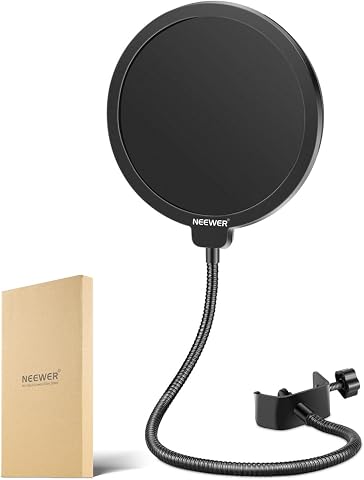
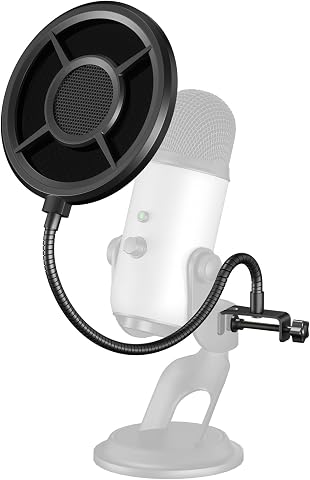
Both solve different problems that no microphone alone can fix. A pop filter is non-negotiable for vocals — plosive blasts of air hit the capsule harder than any sung note and create unfixable low-end thumps in the mix. A shockmount matters more than beginners expect because floor vibrations, desk bumps, and even foot-tapping travel up the stand and register as rumble on a sensitive condenser. If your chosen mic doesn’t include them, factor $60-100 into the true cost before comparing prices. This is why bundles like the AT2020 kit or the P220 with its included accessories can quietly be better deals than a slightly cheaper bare mic. Skipping them to save money usually results in buying them within a month.
Should I buy a large-diaphragm or small-diaphragm condenser for home music production?
For a first microphone, large-diaphragm is almost always the right call because it handles lead vocals, voiceovers, and close-miked instruments with the warm, present character listeners associate with professional records. Small-diaphragm mics like the AKG P170 excel at accuracy — acoustic guitar, drum overheads, piano, stringed instruments — but they expose rather than flatter a voice, which can be unforgiving in an untreated room. Some producers eventually own both and use each for its strengths. If your music is built on programmed tracks with one recorded vocal, buy large-diaphragm now and add a small-diaphragm later if you start tracking live instruments. Buying the small-diaphragm first is the most common regret I see in this category.
Will these microphones work for recording instruments as well as vocals?
Most of the large-diaphragm models here are genuinely dual-purpose — mics like the AT2035 and P220 handle acoustic guitar, amps, and percussion respectably, and the AT2035’s pad switch lets it survive loud guitar cabs without distorting. The main limitation is that a large-diaphragm mic’s character that flatters vocals can color instruments more than you’d want on something like drum overheads or a full acoustic ensemble, where the P170’s neutrality wins. Also check placement practicality: small instruments recorded in stereo need matched pairs, which changes your budget math entirely. If your productions mix vocals and instruments, a switchable large-diaphragm mic is the best single purchase. If instruments dominate your workflow, the small-diaphragm pick deserves a higher spot on your personal list than its ranking here suggests.
Conclusion
After comparing all eleven, the decision comes down to matching the mic to your situation rather than chasing the highest-ranked option. For best overall, the RØDE NT1 5th Gen stands alone — its near-silent capsule plus dual XLR/USB-C connectivity makes it the one mic that serves beginners and serious studios equally well. For best value, the Audio-Technica AT2035 is the smartest money on this list, pairing professional features with a mid-tier price. The AKG C104 takes best premium for buyers who want refinement beyond the NT1 tier and already have the chain to hear it.
Best for beginners goes to the AT2020 bundle, which hands a first-time producer everything needed to record on day one, while the Mackie EM-91C is the pick for the tightest budgets. For specific needs: choose the AKG P170 if you record acoustic instruments and overheads, the NT1 Signature Series if you already own a good interface and want RØDE’s sound for less, and the Blue Spark SL if you want a distinctive, modern vocal character with a shockmount included. Whatever your pick, pair it with a pop filter, treat your space even modestly, and let your ears make the final call.
Fall Picks
fall essentials
As an affiliate, we earn on qualifying purchases.