When it comes to music production, choosing the right microphone can make or break your sound quality. The market offers a wide range of options, from budget-friendly USB mics to professional-grade studio condensers. The RØDE NT1 Signature Series stands out for its pristine sound and low noise, making it ideal for studio vocals. Meanwhile, the Shure SM7B remains a favorite for broadcast and streaming due to its warm tone and durability. The main tradeoffs involve balancing budget, versatility, and sound quality. Keep reading for a detailed breakdown of the best options in 2026, tailored to different needs and skill levels.

Get audio and creator gear delivered free with Prime
- Fast, free delivery on millions of items
- Prime Video, Amazon Music and more included
- Member-only deals all year
Complete the kit

Key Takeaways
- Studio condenser microphones dominate the top tier for clarity and detail, but often come at a higher price.
- Dynamic microphones like the Shure SM7B excel in handling loud sources and are more forgiving with room acoustics.
- USB microphones offer convenience and simplicity, making them a solid choice for beginners or streaming setups.
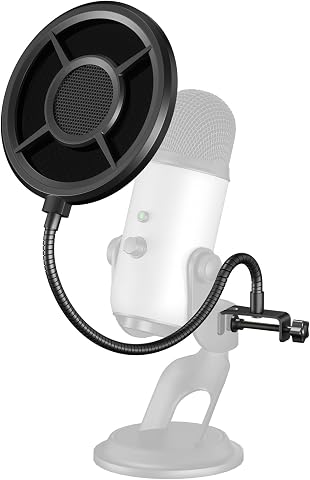
- Bundles that include accessories like boom arms and pop filters provide better value for home studios.
- Price doesn’t always correlate directly with quality; understanding your specific use case helps avoid overspending.
| Maono PM320S Condenser PC Microphone with XLR Cable, Boom Arm, Pop Filter |  | Best Overall for Versatile Studio-Quality Recording | Connectivity Technology: XLR | Frequency Response: 20 Hz to 20 kHz | Polar Pattern: Unidirectional (Cardioid) | VIEW LATEST PRICE | See Our Full Breakdown |
| RØDE NT1 Signature Series Studio Condenser Microphone, Black |  | Best for Ultra-Low Noise Vocal Recordings | Type: Condenser Microphone | Color: Black | Includes: Shock mount, pop filter, XLR cable, dust cover | VIEW LATEST PRICE | See Our Full Breakdown |
| AKG Pro Audio P120 – 2/3-Inch Condenser Microphone for Vocals & Instruments |  | Best for Versatile Studio and Live Use | Polar Pattern: Cardioid | Frequency Bandwidth: 20 – 20000 Hz | Equivalent Noise Level: 19 dB-A | VIEW LATEST PRICE | See Our Full Breakdown |
| Shure SM4 XLR Studio Condenser Microphone Kit for Recording |  | Best for Natural, Balanced Studio Sound | Polar Pattern: Cardioid | Capsule Size: 1 inch | Maximum SPL: 140dB | VIEW LATEST PRICE | See Our Full Breakdown |
| Mackie EM-Series Large-Diaphragm Condenser Microphone (EM-91C) |  | Best Budget-Friendly Studio Microphone | Type: Condenser Microphone | Polar Pattern: Cardioid | Includes: Shock mount, XLR cable | VIEW LATEST PRICE | See Our Full Breakdown |
| Audio-Technica AT2020 Cardioid Condenser Studio XLR Microphone, Black |  | Best Overall for Home and Project Studios | Connectivity Technology: Wired | Connector Type: XLR | Frequency Response: 20 Hz – 20 kHz | VIEW LATEST PRICE | See Our Full Breakdown |
| RØDE NT1 5th Gen Studio Condenser Microphone, XLR + USB-C, Silver |  | Best Versatile Microphone with Dual Connectivity | Connectivity: XLR and USB-C | Sample Rate: 192kHz | Self-Noise: Ultra-low | VIEW LATEST PRICE | See Our Full Breakdown |
| Logitech Blue Yeti USB Microphone for PC, Mac, Gaming, Streaming, Podcasting, Studio, Blackout | 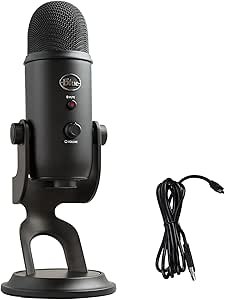 | Best for Content Creators and Streamers | Pickup Patterns: Cardioid, Omni, Bidirectional, Stereo | Connectivity: USB | Software: Blue VO!CE | VIEW LATEST PRICE | See Our Full Breakdown |
| Shure SM7B Dynamic Vocal Microphone for Podcasting & Streaming |  | Best for Professional Vocal Capture | Type: Dynamic Microphone | Application: Podcasting, Streaming, Voiceover | Pickup Pattern: Cardioid | VIEW LATEST PRICE | See Our Full Breakdown |
| Sennheiser Professional Profile USB Cardioid Condenser Microphone & Table Stand, 1.2 m USB-C Cable, Mute Button, Built-in Headphone Jack, Gain, Mix & Volume Control for PC & Mac, Black |  | Best for All-in-One Desktop Recording | Microphone Type: Condenser, Cardioid | Connectivity: USB-C | Cable Length: 1.2 meters | VIEW LATEST PRICE | See Our Full Breakdown |
| Shure MV7X XLR Dynamic Podcast & Recording Microphone – Black |  | Best for Professional Broadcast-Quality Voice Isolation | Connectivity: XLR | Type: Dynamic cardioid microphone | Color: Black | VIEW LATEST PRICE | See Our Full Breakdown |
| MXL 990/991 Large & Small Diaphragm Condenser Microphone Bundle – Champagne |  | Best for Versatile Studio Recording & Complete Setup | Connectivity Technology: Wired | Connector Type: XLR | Polar Pattern: Unidirectional | VIEW LATEST PRICE | See Our Full Breakdown |
| MAONO PM500 XLR Condenser Microphone, 34mm Large Diaphragm for Studio Vocal |  | Best for Warm, Detailed Studio Sound | Connectivity Technology: XLR | Special Feature: Large diaphragm, wide dynamic range | Polar Pattern: Unidirectional | VIEW LATEST PRICE | See Our Full Breakdown |
| MAONO HD300T USB XLR Dynamic Podcast Microphone |  | Best for Versatile USB/XLR Use with Complete Desktop Kit | Connectivity Technology: USB, XLR | Sampling Rate: 192kHz/24bit | Frequency Response: 20Hz-20kHz | VIEW LATEST PRICE | See Our Full Breakdown |
| MAONO A04 Gen2 XLR/USB Condenser Microphone Kit for PC Podcast Recording |  | Best for All-in-One Versatile Content Creation | Connectivity: XLR and USB | Sampling Rate: 192kHz/24bit | Frequency Response: 30Hz-16kHz | VIEW LATEST PRICE | See Our Full Breakdown |
| music production microphone | Polar Pattern |
|---|---|
| Maono PM320S Condenser PC Micr | Unidirectional (Cardioid) |
| RØDE NT1 Signature Series Stud | — |
| AKG Pro Audio P120 | Cardioid |
| Shure SM4 XLR Studio Condenser | Cardioid |
| Mackie EM-Series Large-Diaphra | Cardioid |
| Audio-Technica AT2020 Cardioid | — |
| RØDE NT1 5th Gen Studio Conden | — |
| Logitech Blue Yeti USB Microph | — |
| Shure SM7B Dynamic Vocal Micro | — |
| Sennheiser Professional Profil | — |
| Shure MV7X XLR Dynamic Podcast | — |
| MXL 990/991 Large & Small Diap | Unidirectional |
| MAONO PM500 XLR Condenser Micr | Unidirectional |
| MAONO HD300T USB XLR Dynamic P | Super Cardioid |
| MAONO A04 Gen2 XLR/USB Condens | Cardioid |
More Details on Our Top Picks
Maono PM320S Condenser PC Microphone with XLR Cable, Boom Arm, Pop Filter
The Maono PM320S stands out for its combination of professional-grade sound and comprehensive accessory package, including a boom arm and pop filter. Its large 16mm condenser capsule ensures crisp, detailed recordings, making it a strong competitor to the RØDE NT1 in terms of sound clarity. Unlike USB mics, this model’s XLR connection demands additional equipment, which might be a drawback for beginners but offers greater flexibility for advanced setups. The noise reduction features and all-metal construction boost durability and sound isolation, perfect for podcasters and streamers who want studio quality. The main tradeoff is the need for phantom power, which isn’t always available on basic audio interfaces and adds setup complexity. This mic makes the most sense for users seeking high-quality, ready-to-use studio-microphone packages, willing to handle a slightly more involved setup.
Pros:- Studio-grade sound with a large condenser capsule
- Includes a complete accessory package—boom arm, pop filter, shock mount
- Effective noise reduction and vibration isolation
Cons:- Requires 48V phantom power, not compatible with all audio interfaces
- XLR connection limits portability compared to USB microphones
Best for: Content creators, podcasters, and musicians who want a professional setup with included accessories
Not ideal for: Beginners or hobbyists seeking plug-and-play USB microphones without extra equipment
- Connectivity Technology:XLR
- Frequency Response:20 Hz to 20 kHz
- Polar Pattern:Unidirectional (Cardioid)
- Sensitivity:82 dB
- Impedance:200 ohm
- Maximum Frequency:18 KHz
- Included Accessories:Boom arm, shock mount, pop filter, windscreen, XLR cable, user manual
Our verdict“This microphone is ideal for serious creators who prefer a comprehensive, studio-quality setup and are comfortable with some initial complexity.”
RØDE NT1 Signature Series Studio Condenser Microphone, Black
The RØDE NT1 Signature is renowned for its ultra-low self-noise, making it a top choice for vocal recordings and streaming. Compared with the Maono PM320S, it offers a more refined, studio-caliber sound with minimal background noise, which is especially valuable in quiet recording environments. Unlike the Maono, the NT1 is a simple XLR mic without included accessories, requiring users to buy a shock mount and pop filter separately, but it compensates with exceptional audio clarity. Its cardioid pattern ensures focused recording, but sensitive to ambient noise if not isolated properly. This model is better suited for users who prioritize pristine vocal capture and already own or plan to invest in a quality audio interface—less ideal for beginners without existing gear.
Pros:- Among the lowest self-noise levels available
- Excellent for capturing vocals with clarity and detail
- Includes complete starter accessories for a professional setup
Cons:- Requires an external audio interface for use
- Sensitive to ambient noise without proper treatment
Best for: Vocalists, streamers, and podcasters seeking ultra-quiet, professional-sounding microphones
Not ideal for: Beginners or casual users lacking a dedicated audio interface or soundproofing
- Type:Condenser Microphone
- Color:Black
- Includes:Shock mount, pop filter, XLR cable, dust cover
- Pattern:Cardioid
- Self-noise:Among the lowest ever made
Our verdict“This mic excels for users needing ultra-clean vocal recordings, assuming they have or are willing to acquire proper audio gear.”
AKG Pro Audio P120 – 2/3-Inch Condenser Microphone for Vocals & Instruments
The AKG P120 offers a flexible solution for both studio and live environments, with its ability to handle high SPLs up to 150 dB. Compared to the Shure SM4, it’s less feature-rich but more accessible for those seeking a straightforward, durable condenser for vocals and instruments. Its cardioid pattern and wide frequency response (20 Hz to 20 kHz) deliver accurate sound reproduction, making it suitable for a range of recording tasks. However, it’s less refined in noise handling than premium models and requires users to have a compatible audio interface and some familiarity with setup. No included accessories mean additional purchases are necessary. This mic makes the most sense for musicians and hobbyists who want a reliable, versatile condenser without the high price tag.
Pros:- Handles high SPLs up to 150 dB, great for loud sources
- Clear, accurate sound across a broad frequency range
- Durable construction for long-term use
Cons:- Requires compatible audio interface and sound knowledge
- Limited to cardioid pattern, no switchable modes
Best for: Musicians and home studio owners needing a durable, high-SPL capable condenser
Not ideal for: Beginners or those seeking a plug-and-play setup without extra equipment
- Polar Pattern:Cardioid
- Frequency Bandwidth:20 – 20000 Hz
- Equivalent Noise Level:19 dB-A
- Sensitivity:24 mV/Pa
- Maximum SPL:150 dB
- Preattenuation Pad:-20 dB
Our verdict“This microphone offers strong versatility for versatile recording environments, best for users with some experience in audio setup.”
Shure SM4 XLR Studio Condenser Microphone Kit for Recording
The Shure SM4 distinguishes itself with a dual-diaphragm capsule that provides natural, balanced sound reproduction, making it a prime choice for detailed vocal and instrumental recordings. Compared with the RØDE NT1, the SM4 offers more robust interference shielding and higher SPL handling (140dB), suitable for louder sources. Its all-metal build and included accessories—pop filter, shock mount, and case—add to its professional appeal. However, its higher price point and requirement for an XLR connection make it less accessible for entry-level users. The SM4’s noise rejection and durability make it a solid pick for both studio and live applications, especially for users who value reliability and detailed sound without sacrificing ruggedness.
Pros:- Excellent noise rejection and interference shielding
- High SPL handling up to 140dB
- Rugged all-metal construction with comprehensive accessories
Cons:- Higher cost compared to entry-level mics
- Requires XLR connection and additional equipment
Best for: Professional recording engineers and serious musicians needing a durable, natural-sounding condenser
Not ideal for: Beginners or users without existing XLR audio interfaces or setup experience
- Polar Pattern:Cardioid
- Capsule Size:1 inch
- Maximum SPL:140dB
- Included Accessories:Pop filter, shock mount, brass stand adapter, carrying case
- Construction:All-metal
Our verdict“This microphone is best suited for professionals seeking a durable, high-fidelity condenser for versatile recording tasks.”
Mackie EM-Series Large-Diaphragm Condenser Microphone (EM-91C)
The Mackie EM-91C provides a surprisingly professional sound at a budget-friendly price, making it a practical choice for home studios and beginners. Its cardioid polar pattern and included shock mount and XLR cable simplify setup, similar to the Maono PM320S, but at a more affordable cost. While it lacks detailed specifications like frequency response or sensitivity figures, it offers decent sonic quality for general studio work, especially vocals and instruments. Its limited pattern options and less detailed specs suggest it’s less suitable for professional, high-end applications but serves well for hobbyists or those starting out. The main tradeoff is its basic feature set and uncertain durability compared to higher-end models.
Pros:- Affordable price point with decent sound quality
- Includes essential accessories like shock mount and XLR cable
- Suitable for various recording scenarios
Cons:- Limited technical detail, less suitable for critical recordings
- Potentially less durable than high-end microphones
Best for: Entry-level producers, students, or hobbyists on a budget needing a reliable condenser
Not ideal for: Professional studios or demanding recording environments requiring nuanced sound capture
- Type:Condenser Microphone
- Polar Pattern:Cardioid
- Includes:Shock mount, XLR cable
Our verdict“This mic offers solid value for beginners and budget-conscious users, perfect for learning and casual projects.”
Audio-Technica AT2020 Cardioid Condenser Studio XLR Microphone, Black
The Audio-Technica AT2020 stands out for delivering reliable, studio-quality sound at an accessible price point, making it ideal for beginners and hobbyists. Its custom low-mass diaphragm offers an extended frequency response, comparable to more expensive models like the RØDE NT1 5th Gen, but with a simpler setup—requiring phantom power and an XLR connection. Unlike USB options, it demands external audio interfaces, which adds complexity but also allows for higher sound fidelity. Its cardioid polar pattern helps isolate vocals from background noise, yet it lacks included accessories such as shock mounts or stands, which can increase overall setup costs. This microphone is best suited for those building a dedicated home studio who already own or plan to purchase an interface.
Pros:- Excellent sound quality with broad frequency response
- High SPL handling for versatile recording scenarios
- Compact, durable metal construction
Cons:- Requires phantom power, not compatible with all interfaces
- Limited to XLR connection, no USB option
Best for: Home studio owners and audio hobbyists seeking professional sound without excessive cost
Not ideal for: Content creators looking for a plug-and-play solution or those with limited space for additional gear
- Connectivity Technology:Wired
- Connector Type:XLR
- Frequency Response:20 Hz – 20 kHz
- Signal-to-Noise Ratio:74 dB
- Impedance:200 ohm
- Power Source:Phantom Power
Our verdict“Ideal for users who want high-quality studio sound and are prepared for a more involved setup process.”
RØDE NT1 5th Gen Studio Condenser Microphone, XLR + USB-C, Silver
The RØDE NT1 5th Gen offers unmatched flexibility with both XLR and USB-C outputs, making it suitable for a wide range of recording setups—from professional studios to home environments. Its ultra-low self-noise and high SPL handling rival top-tier studio mics like the Shure SM7B, but with the added convenience of digital connectivity. The high-resolution 192kHz sample rate and 32-bit float conversion appeal to producers seeking pristine digital audio processing. However, this versatility and advanced digital features come with a steeper learning curve, especially for newcomers unfamiliar with audio interfaces or DAWs. Additionally, the higher price point makes it less appealing for budget-conscious buyers. This microphone makes the most sense for creators who need both studio-grade sound and flexibility in their setup, whether recording vocals, instruments, or voiceovers.
Pros:- Dual XLR and USB-C connectivity for maximum flexibility
- Ultra-low noise floor and high SPL handling
- High-resolution digital output with advanced processing
Cons:- Complex setup for users unfamiliar with audio interfaces
- Higher cost compared to basic condenser mics
Best for: Producers and content creators needing versatile, high-quality recording options
Not ideal for: Beginners or those seeking a simple, single-connection microphone without digital features
- Connectivity:XLR and USB-C
- Sample Rate:192kHz
- Self-Noise:Ultra-low
- Digital Conversion:High-resolution A/D, 32-bit float
- Preamp:Revolution Preamp™
- Body Material:High-grade aluminium with nickel plating
Our verdict“Best suited for professionals or serious hobbyists who value digital versatility and top-tier audio quality.”
Logitech Blue Yeti USB Microphone for PC, Mac, Gaming, Streaming, Podcasting, Studio, Blackout
The Blue Yeti is a go-to choice for streamers, podcasters, and casual musicians thanks to its simplicity and versatility. With four pickup patterns—cardioid, omni, bidirectional, and stereo—it adapts easily to different recording scenarios, much like the Sennheiser Profile, but without the need for external audio interfaces. Its onboard controls for gain, mute, and pattern selection make it user-friendly, especially for those new to audio recording. However, its bulky design and limited connectivity—strictly USB—may be drawbacks for users with limited desk space or seeking more advanced digital features. For those seeking a quick setup and decent sound quality, the Blue Yeti remains a reliable option. This microphone is ideal for beginners and content creators who prioritize ease of use and flexibility over studio-grade audio fidelity.
Pros:- Four versatile pickup patterns for various recording needs
- Plug-and-play USB setup for quick deployment
- Onboard controls for easy adjustment
Cons:- Bulkier design takes up desk space
- Requires Logitech G HUB software for full features
Best for: Streamers, podcasters, and casual content creators seeking a straightforward, all-in-one solution
Not ideal for: Professional musicians or audio engineers requiring high-end, studio-quality recordings
- Pickup Patterns:Cardioid, Omni, Bidirectional, Stereo
- Connectivity:USB
- Software:Blue VO!CE
- Controls:Headphone volume, pattern, mute, mic gain
- Stand:Adjustable desktop
- Compatibility:Mac, PC
Our verdict“Perfect for those who want a simple, adaptable microphone with decent sound quality for streaming or casual recording.”
Shure SM7B Dynamic Vocal Microphone for Podcasting & Streaming
The Shure SM7B is renowned among vocalists and streamers for its warm, natural sound and robust construction. Its dynamic cardioid design excels at isolating vocals from ambient noise, making it a favorite compared to condenser options like the Audio-Technica AT2020. While it requires an external XLR interface, this tradeoff results in a more controlled, professional vocal tone. The built-in pop filter reduces plosive sounds effectively, but setup demands additional accessories like a boom arm and preamp with sufficient gain. Its all-metal build guarantees durability under daily use, yet its weight and size may limit placement options in tight spaces. This microphone is best for users who prioritize vocal warmth and isolation in a professional or semi-professional setting.
Pros:- Warm, natural vocal tone with excellent clarity
- Effective noise isolation and built-in pop filter
- Durable, all-metal construction
Cons:- Requires an XLR interface and additional accessories
- Lacks USB connectivity for direct computer use
Best for: Podcasters, streamers, and vocalists needing warm, clear voice recordings in a professional setup
Not ideal for: Casual users or those seeking a USB or plug-and-play mic for simple recordings
- Type:Dynamic Microphone
- Application:Podcasting, Streaming, Voiceover
- Pickup Pattern:Cardioid
- Frequency Response:Wide-range
- Connectivity:XLR
- Construction:All-metal
Our verdict“Designed for users who need a high-quality, warm vocal microphone suited for professional or serious home studio work.”
Sennheiser Professional Profile USB Cardioid Condenser Microphone & Table Stand, 1.2 m USB-C Cable, Mute Button, Built-in Headphone Jack, Gain, Mix & Volume Control for PC & Mac, Black
The Sennheiser Profile USB offers a straightforward, plug-and-play approach to high-quality recording, making it a strong contender for beginners and professionals alike. Its cardioid condenser capsule captures warm, natural sound comparable to the Blue Yeti, but with a more refined build quality and German engineering. Unlike the Yeti, it includes a built-in headphone jack and comprehensive control interface, providing more precise tweaking during recordings. However, it strictly uses USB-C, which might necessitate adapters for some setups, and it doesn’t include accessories such as a boom arm. This mic excels in environments where simplicity, durability, and good sound are priorities, especially for users who want minimal fuss.
Pros:- Plug-and-play with no software required
- Warm, natural sound with durable metal construction
- Includes built-in headphone jack and versatile controls
Cons:- Limited to USB-C, may require adapters
- Basic control interface without advanced features
Best for: Podcasters, streamers, and remote workers seeking an easy, reliable USB microphone with professional sound
Not ideal for: Users needing XLR connectivity or advanced studio features for music production
- Microphone Type:Condenser, Cardioid
- Connectivity:USB-C
- Cable Length:1.2 meters
- Controls:Mute, Gain, Mix, Volume
- Built-in Features:Headphone jack
- Material:Metal
Our verdict“A practical choice for anyone wanting quick setup, solid sound, and durability in a USB microphone.”
Shure MV7X XLR Dynamic Podcast & Recording Microphone – Black
The Shure MV7X stands out for its exceptional voice isolation, making it ideal for podcasting or streaming in noisy environments. Compared with the MAONO HD300T, it offers superior background noise rejection thanks to its dynamic cardioid capsule, though it requires an external audio interface, which adds complexity. Its all-metal construction ensures durability for long-term studio use, and the broadcast-inspired design enhances aesthetic appeal. However, the absence of a built-in USB or monitoring features limits its versatility for casual or home-based setups. This pick makes the most sense for professional podcasters or streamers who prioritize sound clarity and durability over portability or plug-and-play simplicity.
Pros:- Excellent voice isolation reduces background noise effectively
- Broadcast-inspired design looks professional
- All-metal construction ensures long-lasting durability
Cons:- Requires an external audio interface or mixer for connection
- No built-in USB or headphone monitoring features
- XLR-only output limits portability for some users
Best for: Podcasters and streamers seeking professional-grade voice isolation with a durable build
Not ideal for: Casual content creators who prefer plug-and-play USB microphones or portable setups
- Connectivity:XLR
- Type:Dynamic cardioid microphone
- Color:Black
- Mount:Adjustable yoke mount with 3/8″ adapter
- Construction:All-metal
- Application:Podcasting, streaming, vocal recording
Our verdict“This microphone is ideal for professionals needing high-quality voice clarity in studio or noisy environments.”
MXL 990/991 Large & Small Diaphragm Condenser Microphone Bundle – Champagne
The MXL 990/991 bundle makes sense for users seeking versatile recording options, offering both large and small diaphragm condensers for capturing vocals and instruments with high clarity. While the bundle includes essential accessories like shock mounts and a pop filter, the microphones’ need for +48V phantom power can be limiting if your interface lacks it. Compared with the MAONO A04, which is more compact and USB-compatible, the MXL kit is bulkier but provides greater flexibility for studio use. Handling noise sensitivity is a concern for some, but the overall clarity and detailed sound make this set suitable for voiceovers, music, and podcasting. This choice works best for home studios or small professional setups that want multiple mics in one package.
Pros:- Includes both large and small diaphragm microphones for diverse recording needs
- High-quality, clear, detailed sound with good noise rejection
- Complete kit with shock mounts, pop filter, and XLR cable
Cons:- Requires +48V phantom power, which might not be available on all interfaces
- Bulkier setup with multiple components
- Some users may find the microphones sensitive to handling noise
Best for: Home studio musicians and podcasters needing multiple versatile microphones
Not ideal for: Casual users or mobile content creators who prefer simple plug-and-play solutions
- Connectivity Technology:Wired
- Connector Type:XLR
- Polar Pattern:Unidirectional
- Audio Sensitivity:15 dB
- Impedance:200 ohm
- Power Source:48V Phantom Power
Our verdict“Ideal for budget-conscious users who need a versatile, professional-quality microphone bundle for studio recording.”
MAONO PM500 XLR Condenser Microphone, 34mm Large Diaphragm for Studio Vocal
The MAONO PM500 offers a large 34mm diaphragm that captures warm, detailed vocals, making it a strong contender for studio-quality recordings. Its sturdy metal body and included accessories—pop filter, shock mount, and stand—support professional sound without needing extra purchases. Compared to the Shure MV7X, which is more rugged and broadcast-oriented, the PM500’s focus on capturing nuanced sound makes it better suited for vocals and instruments in controlled environments. However, it relies on external phantom power, which could be a hurdle if your setup isn’t equipped accordingly. It doesn’t include digital connectivity like USB, so it’s less flexible for quick setup or casual use. Overall, this is a solid choice for creators prioritizing sound warmth and detail in a dedicated studio setting.
Pros:- Large diaphragm captures warm, nuanced sound
- Durable metal construction with corrosion resistance
- Includes essential accessories for professional recordings
Cons:- Requires external phantom power, limiting portability
- No direct USB or digital connectivity
- XLR connection needs additional equipment for some devices
Best for: Vocalists, podcasters, and instrument recorders seeking warm, detailed sound quality
Not ideal for: Casual streamers or mobile content creators who need USB or plug-and-play options
- Connectivity Technology:XLR
- Special Feature:Large diaphragm, wide dynamic range
- Polar Pattern:Unidirectional
- Frequency Response:20Hz – 20kHz
- Impedance:Approx. 200 ohm
- Power Source:48V phantom power
Our verdict“Best suited for users who want rich, detailed vocal recordings in a dedicated studio environment.”
MAONO HD300T USB XLR Dynamic Podcast Microphone
The MAONO HD300T offers dual USB and XLR connectivity, making it a flexible option for users who want both easy digital recording and professional-grade XLR output. Its cardioid capsule delivers clear vocals with noise reduction, while the included accessories—stand, shock mount, and pop filter—simplify setup. Compared to the Shure MV7X, which is XLR-only, the HD300T’s dual connections appeal to creators who may want to switch between casual streaming and professional recording without changing equipment. The need for external power in XLR mode and the bulkiness of accessories can be drawbacks for those seeking minimal setups or portability. Overall, it suits content creators who value flexibility and comprehensive accessories in one package.
Pros:- Supports both USB and XLR connections for maximum versatility
- Includes a full desktop kit with stand, shock mount, and pop filter
- Features zero-latency monitoring and volume control
Cons:- Requires external power for XLR operation
- Bulkier setup due to accessories
- May be overkill for casual or mobile users
Best for: Podcasters and streamers who want a versatile microphone that works with both USB and XLR setups
Not ideal for: Users seeking a lightweight, purely portable microphone or those who don’t want to handle extra accessories
- Connectivity Technology:USB, XLR
- Sampling Rate:192kHz/24bit
- Frequency Response:20Hz-20kHz
- Polar Pattern:Super Cardioid
- Power Source:Corded electric
- Included Accessories:Stand, shock mount, pop filter
Our verdict“Ideal for creators wanting a flexible microphone that adapts to different recording environments and setups.”
MAONO A04 Gen2 XLR/USB Condenser Microphone Kit for PC Podcast Recording
The MAONO A04 Gen2 combines dual XLR and USB connectivity with high-resolution 192kHz/24bit sampling, making it a flexible choice for content creators across platforms. Its cardioid capsule captures clear, natural vocals while reducing background noise, suitable for podcasting, streaming, and home studio work. Compared with the MAONO PM500, which emphasizes warmth and detail, the A04 offers broader device compatibility and software controls, appealing to users who want quick setup and customization. The XLR connection requires phantom power, which could add complexity for some setups. While the package includes comprehensive accessories, the absence of an XLR cable means an additional purchase is necessary. This model suits those looking for a high-quality, flexible microphone with advanced features for professional and casual use.
Pros:- Dual XLR and USB connectivity for maximum flexibility
- High-resolution sound with professional chipset
- Includes a comprehensive set of accessories for easy setup
Cons:- XLR cable not included, requiring an additional purchase
- Requires phantom power for XLR mode
- Not compatible with Xbox consoles
Best for: Content creators needing a versatile, high-resolution mic suitable for multiple platforms and devices
Not ideal for: Casual users or those with simple setups who prefer USB-only microphones or minimal accessories
- Connectivity:XLR and USB
- Sampling Rate:192kHz/24bit
- Frequency Response:30Hz-16kHz
- Polar Pattern:Cardioid
- Included Accessories:Pop filter, shock mount, stand
- Compatibility:PC, Mac, iOS, Android, PS4/5, mobile
Our verdict“Perfect for creators who want a high-quality, versatile microphone capable of switching between professional and casual setups.”
How We Picked
These microphones were evaluated based on performance, build quality, usability, and value. I prioritized products known for their sound fidelity, durability, and versatility across different recording scenarios. Ease of setup and the availability of accessories also influenced the rankings, as these factors impact long-term usability. The selection process aimed to balance professional-grade options with accessible choices for beginners, ensuring that each product offers a clear advantage in its category. Ultimately, the ranking reflects a combination of sound quality, user feedback, and overall value for different types of music producers.| music production microphone | Polar Pattern |
|---|---|
| Maono PM320S Condenser PC Micr | Unidirectional (Cardioid) |
| RØDE NT1 Signature Series Stud | — |
| AKG Pro Audio P120 | Cardioid |
| Shure SM4 XLR Studio Condenser | Cardioid |
| Mackie EM-Series Large-Diaphra | Cardioid |
| Audio-Technica AT2020 Cardioid | — |
| RØDE NT1 5th Gen Studio Conden | — |
| Logitech Blue Yeti USB Microph | — |
| Shure SM7B Dynamic Vocal Micro | — |
| Sennheiser Professional Profil | — |
| Shure MV7X XLR Dynamic Podcast | — |
| MXL 990/991 Large & Small Diap | Unidirectional |
| MAONO PM500 XLR Condenser Micr | Unidirectional |
| MAONO HD300T USB XLR Dynamic P | Super Cardioid |
| MAONO A04 Gen2 XLR/USB Condens | Cardioid |
Factors to Consider When Choosing Music Production Microphones
Selecting the right microphone for music production involves understanding several key factors that influence sound quality and usability. The decision should align with your recording environment, budget, and specific needs like vocals, instruments, or streaming. Over-investing in features you won’t use can lead to unnecessary expenses, while under-investing might compromise your sound. Considering these factors carefully will help you make a more informed choice and avoid common pitfalls in the buying process.Type of Microphone
Choosing between condenser, dynamic, and USB microphones depends on your recording environment and application. Condenser mics typically deliver the most detailed sound and are ideal for studio vocals and acoustic instruments, but they require a quiet space and phantom power. Dynamic mics are more rugged, handle loud sources well, and are better suited for live recording or noisier environments. USB microphones offer plug-and-play convenience, perfect for beginners, streaming, or podcasting, but may not match the audio fidelity of XLR condensers for professional production.
Sound Quality and Frequency Response
Sound fidelity is critical, especially for vocals and detailed instrument recordings. Look for microphones with a flat or tailored frequency response suited to your voice or instrument. Studio condensers usually provide a wide frequency range for capturing nuances, but this can sometimes lead to a harsh sound if not chosen carefully. Dynamic mics tend to have a more limited range but excel at rejecting background noise, making them ideal for less controlled environments. Matching the mic’s frequency response to your recording style ensures clearer, more accurate results.
Connectivity and Compatibility
Decide whether you need an XLR or USB connection. XLR microphones generally require an audio interface, offering higher sound quality and flexibility, but add complexity and cost. USB microphones are simpler and more portable, making them a better choice for beginners or those with limited space. Consider your existing gear and future expansion plans when choosing connectivity options. Also, check compatibility with your computer or recording setup to avoid frustrating setup issues later.
Budget and Value
While it’s tempting to go for the most expensive option, many mid-range microphones offer excellent sound quality for a fraction of the price. Be aware that higher-priced mics often come with additional features or build quality that benefits professional studios. However, for casual or beginner projects, investing in a mid-tier or budget-friendly model can deliver great results without overextending your budget. Balance your needs and budget, and consider bundles that include essential accessories for better overall value.
Additional Features and Accessories
Features like built-in shock mounts, pop filters, and multiple polar patterns can enhance your recording experience. These accessories help reduce unwanted noise and improve sound clarity. While some microphones come bundled with these items, standalone accessories can be purchased separately if needed. Assess your recording environment and requirements—if you’re in a noisy space, investing in better isolation and filtering options will pay off in the long run.
Frequently Asked Questions
Should I choose a condenser or dynamic microphone for vocals?
For vocals, condenser microphones are generally preferred because they capture a wider frequency range and more detail, resulting in a richer sound. They’re ideal for controlled environments like a dedicated home studio. Dynamic microphones, on the other hand, excel in handling louder sources and are more forgiving with room acoustics, making them suitable for live recordings or less treated spaces. Your choice should depend on your recording environment, the style of vocals, and whether you prioritize detail or durability.
Is it worth investing in a USB microphone for professional music production?
While USB microphones are excellent for ease of use, streaming, and casual recording, they often don’t match the sound quality and versatility of XLR condenser mics used in professional studios. For serious music production, an audio interface and an XLR mic provide better control over sound quality and allow for more sophisticated setups. However, if you’re starting out or need a quick, portable solution, a high-quality USB microphone can serve well, especially when paired with good recording software.
What features should I look for in a microphone for streaming and podcasting?
For streaming and podcasting, focus on microphones with clear, warm sound reproduction and ease of setup. USB microphones with built-in noise reduction, cardioid polar patterns, and headphone monitoring are popular choices. Features like gain control and mute buttons add convenience during live sessions. Good build quality and a comfortable form factor also matter, as you’ll be using the mic frequently. Remember, a microphone that captures your voice naturally and rejects background noise will improve your overall sound quality.
How much should I spend on a music production microphone?
Budgeting for a microphone depends heavily on your goals. Entry-level models under $100 can deliver decent results for beginners or casual use but may lack detail and durability. Mid-range microphones in the $200-$400 range offer a significant leap in sound quality and build, suitable for serious hobbyists and semi-professionals. Premium models above $500 are designed for professional studios, providing the highest fidelity and durability. Consider your current needs and future plans before investing, as a higher-quality mic can last many years and improve your recordings substantially.
Do I need a special room or acoustic treatment for recording with a condenser microphone?
Using a condenser microphone in untreated spaces can lead to unwanted reflections and background noise that compromise sound quality. Acoustic treatment like foam panels, bass traps, and diffusers can significantly improve recordings by controlling room acoustics. While not every home studio needs a professionally treated room, some basic measures greatly reduce echo and background noise. If you’re serious about quality, investing in some acoustic treatment is worth considering, especially if you record vocals or acoustic instruments regularly.
Conclusion
For those starting out or working on home recordings, a USB microphone like the Logitech Blue Yeti offers simplicity and good sound at a budget-friendly price. If you’re aiming for professional-quality recordings and have an existing setup, the RØDE NT1 Signature Series stands out as the best overall choice for its clarity and low noise. For streamers and podcasters, the Shure SM7B provides warmth and durability, though it requires an audio interface. Budget-conscious buyers should consider mid-tier options like the Audio-Technica AT2020 for excellent value, while professionals seeking premium sound should look at higher-end condensers or bundles. Your ideal microphone depends on your environment, goals, and budget, but this guide helps clarify your options.
As an affiliate, we earn on qualifying purchases.Halloween Picks
halloween