Editorial update log

Get audio and creator gear delivered free with Prime
- Fast, free delivery on millions of items
- Prime Video, Amazon Music and more included
- Member-only deals all year
September 27, 2026:
Deal update: RoundupForge price history now flags ASIN B0BS1QCFHX on amazon.com as below its typical tracked range. RF labels the deal as all_time_low.
Exact pricing remains intentionally gated through the live Grimfaste price module in the article.
Wireless studio headphones have to solve a problem regular Bluetooth headphones ignore: keeping audio accurate enough for mixing, tracking, and DJing while cutting the cable. My top pick is the Audio-Technica ATH-M50XBT2, which carries the tuned signature of the legendary wired M50x into a wireless format without losing detail in the mids and highs. Close behind are the AIAIAI TMA-2 Studio Wireless, a modular pro option built for producers, and the budget-friendly Audio-Technica ATH-M20xBT for anyone starting out. The core tradeoff in this category is latency versus convenience: pure Bluetooth is fine for reference listening, but low-latency 2.4GHz or a wired fallback matters for tracking and beatmatching. Read on for the full breakdown, including which models earn their price and which cut corners.
Complete the kit


Key Takeaways
- The ATH-M50XBT2 won overall because it preserves a proven studio tuning wirelessly, while most budget models here color the low end in ways that make mixing decisions unreliable.
- Latency was the biggest differentiator: OneOdio‘s Studio Max 2 (9ms) and Max 1 (20ms) use 2.4GHz or dual-mode connections that actually work for DJing, while plain Bluetooth models like the Beats Studio Pro are reference-listening tools only.
- Every serious studio pick in this lineup includes a wired passive mode — if a model drops that fallback, it becomes useless when the battery dies, which happens at the worst possible time.
- The price gap is smaller than the quality gap: the $100-ish ATH-M20xBT delivers most of what beginners need, while the PUPGSIS and OneOdio A70 trade tuning accuracy for features like RGB and battery claims.
- Modular repairability (AIAIAI TMA-2) and driver character (beyerdynamic AVENTHO Y) are the reasons to spend premium money here — not Bluetooth codecs alone, which nearly every model now handles adequately.
| Sony WH-CH720N Wireless Noise Cancelling Over-Ear Headphones, Black |  | Best Budget ANC Pick | Weight: 192g | Battery Life: Up to 35 hours | Quick Charging: 3 minutes for 1 hour of playback | VIEW LATEST PRICE | See Our Full Breakdown |
| beyerdynamic AVENTHO Y Wireless Bluetooth Headphones, Blue Fusion |  | Best Battery Life | Driver Size: 45 mm | Battery Life: Up to 90 hours (60 with ANC) | Active Noise Cancelling: Yes, with transparency mode | VIEW LATEST PRICE | See Our Full Breakdown |
| PUPGSIS 2.4GHz Wireless DJ Headphones with Low Latency and Multiple Connectivity Modes |  | Best Value for Multi-Mode Monitoring | Connectivity: 2.4G dongle, Bluetooth 5.3, AUX | Battery Life: 60 hours (Bluetooth), 30 hours (2.4G) | Driver Size: 50mm | VIEW LATEST PRICE | See Our Full Breakdown |
| Beats Studio Pro Wireless Over-Ear Headphones | 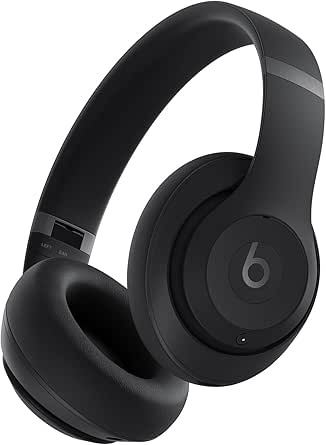 | Best for Apple Ecosystem Users | Battery Life: Up to 40 hours | Active Noise Cancelling: Yes, with transparency mode | Connectivity: Bluetooth, USB-C, 3.5mm | VIEW LATEST PRICE | See Our Full Breakdown |
| OneOdio Studio Max 2 Wireless DJ Headphones, 9ms Latency, Studio LDAC |  | Best Overall for Pro Monitoring | Latency: 9ms | Codec: LDAC | Drivers: 45mm High-Flux | VIEW LATEST PRICE | See Our Full Breakdown |
| OneOdio Pro C Wired & Wireless Over-Ear Headphones, 110H, 50mm Drivers |  | Best Battery Life on a Budget | Driver Size: 50mm | Battery Life: 110 hours | Connectivity: Wired and Wireless | VIEW LATEST PRICE | See Our Full Breakdown |
| Audio-Technica ATH-M20xBT Wireless Over-Ear Headphones, Black |  | Best Trusted Brand Entry Point | Driver Size: 40mm | Design: Circumaural (over-ear, closed-back) | Connectivity: Wireless (Bluetooth) | VIEW LATEST PRICE | See Our Full Breakdown |
| AIAIAI TMA-2 Studio Wireless Over-Ear Headphones, Black |  | Best Premium Pick for Serious Producers | Connectivity: W+ Link, Bluetooth, detachable cable | Latency: Under 10ms | Battery Life: 20+ hours | VIEW LATEST PRICE | See Our Full Breakdown |
| OneOdio Studio Max 1 Wireless DJ & Wired Studio Headphones, 20ms Latency |  | Best for DJs and Gaming | Connectivity: Bluetooth 5.3, 3.5mm/6.35mm wired cables | Latency: 20ms | Battery Life: 120 hours Bluetooth, 50 hours dongle | VIEW LATEST PRICE | See Our Full Breakdown |
| OneOdio A70 Bluetooth Over-Ear Headphones, Hi-Res Wired DJ Studio – Black |  | Best Value All-Rounder | Model: A70 | Connectivity: Bluetooth 5.3, wired (3.5mm & 6.35mm jack) | Bluetooth Range: 10 meters | VIEW LATEST PRICE | See Our Full Breakdown |
| Audio-Technica ATH-M50XBT2 Wireless Headphones, Black |  | Best Trusted Studio Sound | Battery Life: Up to 50 hours | Connectivity: Bluetooth, multipoint pairing | Microphone: Dual mics with beamforming technology | VIEW LATEST PRICE | See Our Full Breakdown |
| wireless studio headphone | Connectivity | Battery Life |
|---|---|---|
| Sony WH-CH720N Wireless Noise | Bluetooth with multipoint | Up to 35 hours |
| beyerdynamic AVENTHO Y Wireles | Bluetooth 6.0 with multipoint | Up to 90 hours (60 with ANC) |
| PUPGSIS 2.4GHz Wireless DJ Hea | 2.4G dongle, Bluetooth 5.3, AUX | 60 hours (Bluetooth), 30 hours (2.4G) |
| Beats Studio Pro Wireless Over | Bluetooth, USB-C, 3.5mm | Up to 40 hours |
| OneOdio Studio Max 2 Wireless | 2.4G, Bluetooth 6.0, 3.5mm, 6.35mm | 120 hours |
| OneOdio Pro C Wired & Wireless | Wired and Wireless | 110 hours |
| Audio-Technica ATH-M20xBT Wire | Wireless (Bluetooth) | — |
| AIAIAI TMA-2 Studio Wireless O | W+ Link, Bluetooth, detachable cable | 20+ hours |
| OneOdio Studio Max 1 Wireless | Bluetooth 5.3, 3.5mm/6.35mm wired cables | 120 hours Bluetooth, 50 hours dongle |
| OneOdio A70 Bluetooth Over-Ear | Bluetooth 5.3, wired (3.5mm & 6.35mm jack) | 72 hours |
| Audio-Technica ATH-M50XBT2 Wir | Bluetooth, multipoint pairing | Up to 50 hours |
More Details on Our Top Picks
Sony WH-CH720N Wireless Noise Cancelling Over-Ear Headphones, Black
At just 192 grams, this Sony model is the lightest headphone in the entire lineup, and that single fact shapes who it’s for. Where the PUPGSIS DJ headphones and OneOdio Studio Max 2 feel like studio furniture, the WH-CH720N is built for long days that don’t happen in one place. The ANC is dual-sensor based and genuinely effective at this price, though it won’t match the isolation-focused design of dedicated monitoring cans. What you give up is audio flexibility: no LDAC, no low-latency mode, no 6.35mm jack. Compared with the Beats Studio Pro, the trade is clear — less sound drama, more comfort per dollar.
Pros:- Featherweight 192g build that disappears during long sessions
- Effective dual-sensor ANC at a budget-friendly price
- 35-hour battery with a 3-minute charge yielding an hour of playback
- Multipoint pairing for switching between laptop and phone
Cons:- No hi-res codec support or low-latency mode for production work
- No included studio-style wired connection (3.5mm/6.35mm)
- No sweat or water resistance rating
Best for: Students and commuters who want real noise cancellation and all-day comfort without paying flagship prices
Not ideal for: Producers or DJs who need low-latency monitoring, hi-res codecs, or wired studio connections
- Weight:192g
- Battery Life:Up to 35 hours
- Quick Charging:3 minutes for 1 hour of playback
- Noise Cancelling:Active, dual-sensor
- Connectivity:Bluetooth with multipoint
- Charging:USB Type-C
Our verdict“Buy this if comfort and affordable ANC matter more to you than studio-grade audio specs.”
beyerdynamic AVENTHO Y Wireless Bluetooth Headphones, Blue Fusion
Ninety hours of playback is the number that defines this model — nearly triple the Sony WH-CH720N and more than double the Beats Studio Pro. Even with ANC switched on you get 60 hours, which means charging anxiety simply stops being part of your week. The replaceable battery is the quiet standout: unlike every other pick here, this headphone is designed to outlive its own power cell, a genuine sustainability and longevity argument. The 5-band EQ requires the app, which will annoy plug-and-play types, and the sound out of the box is more neutral than bass-forward. This pick makes the most sense for buyers who treat headphones as long-term infrastructure rather than a yearly upgrade.
Pros:- Up to 90 hours of battery (60 with ANC on) — best in the roundup
- Replaceable battery extends usable lifespan well beyond typical headphones
- Foldable design with 20-meter Bluetooth 6.0 range and multipoint
- 2-year warranty from a respected studio-audio brand
Cons:- Sound customization is locked behind the companion app
- Battery life drops meaningfully when ANC is engaged
- Priced above budget competitors like the Sony WH-CH720N
Best for: Frequent travelers and daily listeners who want weeks between charges and a headphone built to last years
Not ideal for: Bass-forward listeners who want excitement without touching an EQ app
- Driver Size:45 mm
- Battery Life:Up to 90 hours (60 with ANC)
- Active Noise Cancelling:Yes, with transparency mode
- Connectivity:Bluetooth 6.0 with multipoint
- Range:Up to 20 meters
- Replaceable Battery:Yes
- Warranty:2 years
- Included Accessories:USB-C cable, audio cable, soft carry bag
Our verdict“This is the buy for anyone who values endurance and repairability over raw studio features.”
PUPGSIS 2.4GHz Wireless DJ Headphones with Low Latency and Multiple Connectivity Modes
This is the entry point into low-latency monitoring without the OneOdio price ladder. Its triple connectivity — 2.4G dongle, Bluetooth 5.3, and AUX — means one headphone can serve a DJ booth, a laptop, and a phone, which is exactly the flexibility the Sony WH-CH720N lacks entirely. The 50mm drivers and 20Hz–40kHz response cover more high-frequency detail than most consumer options here, though the sub-0.5% THD is adequate rather than reference-grade compared with the OneOdio Studio Max 2’s LDAC advantage. Latency over 2.4G is low enough for beat-matching and video work, but the multi-mode setup has a learning curve. This model is better suited to multi-purpose users on a budget than purists chasing a single perfect spec.
Pros:- Three connection modes (2.4G, Bluetooth 5.3, AUX) cover nearly any device
- Extended 20Hz–40kHz frequency response from 50mm drivers
- 60-hour Bluetooth battery for long sessions
- 180° rotating earcups and protein leather cushions for single-ear DJ monitoring
Cons:- Juggling multiple connection modes adds setup complexity
- Bulky compared with sleeker consumer picks like the AVENTHO Y
- THD under 0.5% is fine for monitoring but not reference-level accuracy
Best for: Beginner DJs and content creators who need one affordable headphone for monitoring, gaming, and everyday listening
Not ideal for: Audiophiles wanting hi-res LDAC streaming or a polished app ecosystem
- Connectivity:2.4G dongle, Bluetooth 5.3, AUX
- Battery Life:60 hours (Bluetooth), 30 hours (2.4G)
- Driver Size:50mm
- Frequency Response:20Hz–40kHz
- THD:<0.5%
- Earcup Rotation:180°
- Ear Cushion Material:Protein leather
Our verdict“The smartest spend for anyone who needs latency control and versatility before they need premium sound.”
Beats Studio Pro Wireless Over-Ear Headphones
Where every other pick here leans studio-technical, the Studio Pro leans ecosystem polish. Seamless device switching and spatial audio make it the friction-free choice for buyers living inside Apple’s world, and the included USB-C, 3.5mm, and Bluetooth options give it surprising connection flexibility — closer to the PUPGSIS in versatility, minus the low-latency dongle. The 40-hour battery sits comfortably between the Sony WH-CH720N’s 35 hours and the AVENTHO Y’s 90, and fast charging keeps gaps short. The sound signature is tuned for enjoyment rather than flatness, so anyone doing mix decisions should look at the OneOdio or Audio-Technica options instead. This model is better suited to travel, calls, and casual production listening than critical work.
Pros:- Native-feeling integration and one-touch pairing across Apple and Android
- Three input options: Bluetooth, USB-C audio, and 3.5mm
- 40-hour battery with fast charging
- Strong ANC paired with a usable transparency mode
Cons:- Sound tuning is consumer-flavored, not a flat studio reference
- No published weight, and over-ear Beats designs have run heavy historically
- Priced well above value picks like the Sony WH-CH720N
Best for: Apple-centric users who want premium ANC, spatial audio, and effortless switching across iPhone, iPad, and Mac
Not ideal for: Engineers needing a flat reference response or sub-20ms monitoring latency
- Battery Life:Up to 40 hours
- Active Noise Cancelling:Yes, with transparency mode
- Connectivity:Bluetooth, USB-C, 3.5mm
- Compatibility:Apple and Android
- Spatial Audio:Yes
- Included Accessories:Carrying case, 3.5mm cable, USB-C cable
Our verdict“Pick this for ecosystem convenience and travel comfort — skip it if your headphones are primarily a mixing tool.”
OneOdio Studio Max 2 Wireless DJ Headphones, 9ms Latency, Studio LDAC
This is the most complete studio-first package in the batch, and it earns the top monitoring spot on two numbers: 9ms latency and LDAC hi-res streaming. Nothing else listed here combines wired reference options (both 3.5mm and 6.35mm) with wireless hi-res and near-zero lag. Against the PUPGSIS, it wins on codec quality and charge speed — 5 minutes buys 9 hours of playback. Against the beyerdynamic AVENTHO Y’s 90 hours, its 120-hour battery actually wins. The tradeoff is focus: this is a working tool, bulky and utilitarian, with none of the travel-friendly polish of the Beats Studio Pro. Casual listeners will be paying for latency they never use, but for DJs, editors, and gamers, that spec is the whole point.
Pros:- 9ms latency is effectively real-time for DJ monitoring and video sync
- LDAC codec delivers hi-res wireless audio rare at this price
- 120-hour battery with 5-minute quick charge for 9 hours of play
- Full wired kit including both 3.5mm and 6.35mm jacks
Cons:- Bulky professional build is impractical for travel or gym use
- Feature set is overkill — and over-budget — for casual listening
- 45mm drivers lag the PUPGSIS’s 50mm units on paper for bass reach
Best for: Working DJs, video editors, and competitive gamers who need reference-quality sound with imperceptible latency
Not ideal for: Commuters and casual listeners — the size, design, and feature set are wasted outside production work
- Latency:9ms
- Codec:LDAC
- Drivers:45mm High-Flux
- Battery Life:120 hours
- Quick Charging:5 minutes for 9 hours playback
- Connectivity:2.4G, Bluetooth 6.0, 3.5mm, 6.35mm
- Earcup Rotation:180°
Our verdict“If latency and fidelity are your job requirements, this is the roundup’s strongest all-around studio tool.”
OneOdio Pro C Wired & Wireless Over-Ear Headphones, 110H, 50mm Drivers
Battery life is the whole story here, and it’s a legitimate 110 hours — nearly double the OneOdio A70’s 72 hours and leagues beyond what most studio-focused wireless cans offer. For producers who work long sessions away from an outlet, that endurance translates into weeks of use between charges. The 50mm drivers deliver a punchy, bass-forward signature that suits DJ cueing and casual listening more than flat critical mixing, which separates it from more neutral picks like the Audio-Technica ATH-M20xBT. The dual wired/wireless mode adds real flexibility: when the battery eventually dies, the 3.5mm cable keeps them usable. The tradeoff is refinement — the tuning prioritizes fun over accuracy, and the ear cushions run warm during marathon sessions. Compared with the OneOdio Studio Max 1, it loses the ultra-low latency, but it also costs considerably less.
Pros:- Exceptional 110-hour battery life that outlasts nearly everything in this price range
- Dual wired and wireless operation keeps them usable even when the battery dies
- Punchy bass from 50mm drivers that works well for DJ cueing
- Foldable, comfortable design for the price
Cons:- Bass-heavy tuning is not accurate enough for critical mixing decisions
- Ear cushions trap heat during long sessions
Best for: Budget-conscious producers and DJs who want maximum runtime and a wired fallback without spending much
Not ideal for: Mixing engineers who need a flat, neutral response — the bass emphasis colors judgment
- Driver Size:50mm
- Battery Life:110 hours
- Connectivity:Wired and Wireless
- Bluetooth Version:5.2
- Bluetooth Range:10 meters
- Cable Length:1.2 meters
- Weight:8.96 ounces
- Headphone Jack:3.5mm
Our verdict“Buy this if runtime and price matter more to you than tonal accuracy — it’s the endurance champion of the budget tier.”
Audio-Technica ATH-M20xBT Wireless Over-Ear Headphones, Black
This is the cheapest way into Audio-Technica’s studio lineage, and that heritage shows in the tuning: where the OneOdio Pro C pushes bass, the ATH-M20xBT keeps the mid-range clean and detailed, which is exactly what you want when judging vocals and instruments. The circumaural, closed-back design provides passive isolation good enough for tracking in a home room. It’s also the most restrained, professional-looking option among the budget picks — no gamer styling, no oversized cups. The honest tradeoff is what’s missing: compared with the OneOdio Studio Max 1, there’s no published battery or range figure, no low-latency mode, and no carrying case, so it feels sparse as a package. Bass response also runs lean next to bass-forward rivals. This model makes the most sense for buyers who value sonic neutrality and brand reliability over feature lists and accessories.
Pros:- Clean, detailed mid-range that follows Audio-Technica’s studio tuning philosophy
- Effective passive sound isolation from the closed circumaural design
- Collapsible build makes it easier to stash in a bag
- Understated, professional appearance
Cons:- No published battery life or Bluetooth range specs, which makes comparison shopping harder
- Lean bass response compared with 50mm-driver rivals like the OneOdio Pro C
- No carrying case included
Best for: Home recordists and podcasters who want neutral, brand-trusted sound at an entry price
Not ideal for: Bass lovers and feature hunters — the low end is lean and the package is bare-bones
- Driver Size:40mm
- Design:Circumaural (over-ear, closed-back)
- Connectivity:Wireless (Bluetooth)
- Sound Character:Detailed with strong mid-range clarity
- Portability:Collapsible design
- Color:Black
Our verdict“Pick this if you want the most honest, mid-focused sound under the Audio-Technica name and can live without a generous accessory bundle.”
AIAIAI TMA-2 Studio Wireless Over-Ear Headphones, Black
The AIAIAI TMA-2 Studio Wireless sits at the top of this lineup’s price bracket, and it earns it with features none of the budget options touch. The sub-10ms W+ Link latency beats even the OneOdio Studio Max 1’s 20ms, making wireless monitoring feel effectively wired — a genuine milestone for producers who’ve avoided Bluetooth in the studio. The app-based EQ lets you tailor the response per project, something the Audio-Technica ATH-M20xBT simply can’t do. Battery life of 20+ hours looks modest next to OneOdio’s 110-hour monsters, but that’s the cost of running a low-latency link, and it still covers several sessions per charge. The modular AIAIAI ecosystem (cables, cushions, headbands) means this is a repairable, long-term investment rather than a disposable purchase. The drawbacks are real, though: you pay a premium, and full customization requires the app.
Pros:- Sub-10ms latency over W+ Link makes wireless monitoring genuinely viable in the studio
- Customizable EQ via app lets you tune the response to your workflow
- Modular AIAIAI ecosystem means replaceable parts and long product life
- Comfortable memory foam cushions suited to long sessions
Cons:- Premium price far above every OneOdio option in this roundup
- 20+ hour battery is modest compared with budget rivals offering 110 hours
- Full feature set depends on the companion app
Best for: Producers and mixers who want near-wired latency, app-tunable sound, and a modular, long-lived design
Not ideal for: Casual listeners and budget buyers — the price buys pro features they’ll never use
- Connectivity:W+ Link, Bluetooth, detachable cable
- Latency:Under 10ms
- Battery Life:20+ hours
- Ear Cushions:Memory foam with PU leather
- Customization:App-based EQ profiles
- Intended Use:Music creation, mixing, everyday listening
Our verdict“If wireless monitoring without lag is the goal and budget allows, this is the professional’s choice; everyone else can save money lower on this list.”
OneOdio Studio Max 1 Wireless DJ & Wired Studio Headphones, 20ms Latency
This is the most feature-dense OneOdio in the roundup, and its role is clear: latency-critical work. At 20ms latency, it sits between the standard Pro C (which has no low-latency claim) and the premium AIAIAI TMA-2’s sub-10ms, while costing a fraction of the AIAIAI. The 120-hour Bluetooth battery beats every other product here, and the 5-minute quick charge yielding 5 hours is a genuine convenience when you’re heading out the door. Included 3.5mm and 6.35mm cables plus a quarter-inch adapter mean it plugs straight into DJ mixers and audio interfaces without shopping for extras — something the Audio-Technica ATH-M20xBT doesn’t attempt. Dual-mic ENC handles calls respectably. The tradeoffs: the cups are bulky, wired cables aren’t guaranteed in every package, and it needs Bluetooth 5.3 to hit its latency target. For DJ booths and gaming rigs, though, the value proposition is hard to beat.
Pros:- 20ms low-latency mode suitable for DJ cueing and gaming
- Best-in-roundup 120-hour Bluetooth battery plus 5-min quick charge for 5 hours
- Includes 3.5mm/6.35mm cables and adapter for direct mixer and interface connection
- Dual-mic ENC for clear calls
Cons:- Bulky build is awkward for travel compared with collapsible rivals
- Wired cables not included in all packages
- Low-latency performance depends on Bluetooth 5.3 support on your device
Best for: DJs, gamers, and producers who need low latency and huge battery life on a mid-range budget
Not ideal for: Commuters and travelers who want something compact — the cups are big and the design is unapologetically work-focused
- Connectivity:Bluetooth 5.3, 3.5mm/6.35mm wired cables
- Latency:20ms
- Battery Life:120 hours Bluetooth, 50 hours dongle
- Quick Charge:5 mins = 5 hours
- Drivers:50mm high-resolution
- Microphone:Dual-Mic ENC
- Foldable:Yes
- Includes:Travel case, 1/4-inch to 1/8-inch adapter
Our verdict“For latency-sensitive DJ and gaming work on a budget, this delivers near-premium capability at a fraction of the AIAIAI’s price.”
OneOdio A70 Bluetooth Over-Ear Headphones, Hi-Res Wired DJ Studio – Black
The A70 is the balanced middle child of OneOdio’s lineup — less battery than the Pro C’s 110 hours and no low-latency mode like the Studio Max 1, but cheaper than both while covering the fundamentals well. With 72 hours of playback, dual 3.5mm and 6.35mm wired options, and audio sharing that lets two listeners plug in from one source, it handles studio collabs and DJ back-to-back sets that the Audio-Technica ATH-M20xBT can’t facilitate. The 24-month warranty is notably longer than typical at this price and signals confidence in the build. Bluetooth 5.3 keeps the connection stable at its 10-meter range. The tuning follows the OneOdio house sound — powerful bass, energetic top end — so it’s better for tracking and DJing than final mixing. It also folds bulkier than rivals, so bag space suffers. For a first studio headphone that does everything reasonably at a low price, it’s the strongest value here.
Pros:- 72-hour battery life with wired 3.5mm and 6.35mm fallback modes
- Audio sharing lets a second person listen from the same source — great for collabs
- 24-month warranty, longer than typical at this price
- Comfortable ergonomic design with foldable structure
Cons:- Bass-heavy house tuning is unsuitable for critical mixing decisions
- Folds bulkier than competing models, taking more bag space
- No low-latency mode for latency-sensitive DJ cueing or gaming
Best for: Beginners and hobbyists who want one affordable pair for DJing, tracking, and casual listening
Not ideal for: Engineers doing final mixes — the bass-forward tuning isn’t reference-grade
- Model:A70
- Connectivity:Bluetooth 5.3, wired (3.5mm & 6.35mm jack)
- Bluetooth Range:10 meters
- Battery Life:72 hours
- Microphone:Built-in HD with noise reduction
- Control Type:Push button
- Warranty:24 months
Our verdict“The A70 is the sensible default for anyone wanting maximum versatility per dollar — just don’t expect reference-flat sound.”
Audio-Technica ATH-M50XBT2 Wireless Headphones, Black
Most wireless headphones on this list chase convenience, but the ATH-M50XBT2 chases accuracy — it’s essentially the legendary wired M50X with Bluetooth bolted on, and that heritage shows in the tuning. Compared with the Sony WH-CH720N, which prioritizes noise cancellation and travel comfort, this model offers a flatter, more honest response that mix engineers can actually trust for reference work. The 50-hour battery outlasts nearly everything here except the marathon OneOdio Pro C, and multipoint pairing means jumping between a laptop DAW session and phone calls without re-pairing. The tradeoff: there’s no active noise cancellation, the clamping force is firm for long sessions, and the price sits well above budget picks like the ATH-M20xBT, Audio-Technica’s own cheaper sibling. You’re paying for studio pedigree, not features.
Pros:- Studio-accurate tuning inherited from the wired M50X
- Up to 50 hours of battery life per charge
- Multipoint Bluetooth for simultaneous two-device connection
- Wired fallback via included 1.2m cable when battery dies
Cons:- No active noise cancellation despite the premium price
- Bulky, firmly clamped design is tiring for travel use
Best for: Producers and engineers who already know the M50X sound and want that same reference tuning without cables
Not ideal for: Frequent flyers and commuters — no ANC means the Sony WH-CH720N handles noisy environments far better
- Battery Life:Up to 50 hours
- Connectivity:Bluetooth, multipoint pairing
- Microphone:Dual mics with beamforming technology
- Charging Port:USB-C
- Included Cables:USB charging cable, 1.2m audio cable
- Sound Signature:Studio reference tuning with deep, accurate bass
- Color Options:Black
Our verdict“Buy these if you want the M50X studio sound untethered; skip them if noise cancellation or portability matters more than mixing accuracy.”
How We Picked
My ranking logic starts with one question: can you make reliable audio decisions on these headphones without a cable? That means I weighted frequency accuracy and driver honesty first, because a wireless studio headphone that flatters the bass is a liability during mixing. Second, I evaluated latency and connectivity options — Bluetooth aptX Low Latency, 2.4GHz wireless, and passive wired passthrough all change what the headphone is actually usable for. A model with 9ms latency can serve for DJing and tracking; one at 150ms cannot, no matter how good it sounds.
From there I judged build repairability, battery realism, comfort over long sessions, and price-to-performance. Comfort matters more here than in consumer categories because studio sessions run for hours, and clamping pressure or sweaty pads become dealbreakers. I also penalized models that bury the wired mode or omit it entirely, and I favored options with replaceable earpads and cables. The final ordering reflects a simple hierarchy: accurate wireless studio tools first, capable DJ-specific hybrids second, and convenience-focused models third.
Factors to Consider When Choosing Wireless Studio Headphones
Before picking from the lineup above, it helps to understand what actually separates a wireless studio headphone from a good consumer pair — and where buyers most often go wrong. These are the factors that shaped my ranking, explained in more depth.
Latency Determines What You Can Actually Do
Latency is the single most misunderstood spec in this category. Anything above roughly 40ms makes wireless headphones unusable for tracking vocals or DJing, because the delay between what you play and what you hear breaks your timing. Standard Bluetooth often sits at 150–200ms, which is invisible during casual listening but disqualifying in a session. Look for 2.4GHz wireless transmission, aptX Adaptive, or a wired passthrough if you plan to record or beatmatch. The mistake I see most often is buyers assuming “low latency” on the box means studio-grade — always find the actual millisecond figure before committing.
Tuning Honesty Beats Feature Lists
A studio headphone’s job is to tell you the truth, and many wireless models are tuned to impress rather than inform. Boosted bass and scooped mids make tracks feel exciting but lead you to under-mix low end, which falls apart on other systems. Established studio families like the Audio-Technica M-series carry over their wired voicing, which is why they rank highly here. When a model advertises “deep bass” as a headline feature, treat it as a warning sign rather than a selling point. If you already own a wired studio pair you trust, choosing the wireless version of the same family reduces the learning curve of re-learning a new signature.
Battery Life Claims Need a Reality Discount
Manufacturers quote battery figures at moderate volume with Bluetooth only, and real-world use typically lands 20–30% lower. More relevant is what happens when the battery dies: a passive wired mode turns a dead headphone into a regular studio headphone, while models without one become paperweights mid-session. Long claimed runtimes (80–110 hours on some budget models) usually mean a huge battery adding weight and clamping strain, which hurts during marathon sessions. I’d rather see a realistic 40 hours with a wired fallback than a triple-digit claim without one. Also check whether the earpads are replaceable, because pads degrade long before drivers do.
Codec Support Matters — But Less Than You Think
LDAC and aptX HD get heavy marketing, and they do help with streaming quality, but codec quality only matters if the source device supports it. A Mac, an iPhone, and most DJ controllers transmit standard AAC or SBC, which makes premium codec support irrelevant in those setups. Where codecs genuinely matter is mobile reference listening and wireless production on Android. Codec transparency also can’t fix a poor driver — an SBC-only headphone with accurate tuning beats an LDAC headphone with hyped bass every time for studio work. Match your codec priorities to the devices you actually own rather than chasing spec sheets.
Comfort and Repairability for Long Sessions
Studio sessions regularly run three to five hours, and that’s where consumer comfort assumptions break down. Weight distribution, clamp force, and pad material matter more than raw weight numbers: a 300g headphone with well-distributed clamp beats a 250g one that pinches the jaw. Velour or hybrid pads breathe better than sealed pleather for long mixes, though sealed designs give better isolation for tracking. Modular designs like the AIAIAI platform let you replace drivers, pads, and headbands individually, which changes the long-term cost math considerably. Cheaper one-piece models often cost less upfront but become disposable when a single component fails.
Know Your Actual Use Case Before Paying More
Spending premium money makes sense for one of three reasons: you mix on headphones regularly, you need modular repairability, or you want audiophile-grade detail. If your wireless pair is mainly for checking mixes on the move or DJing at parties, mid-range models with 2.4GHz connectivity serve better than a $400 audiophile option. Beginners frequently over-buy here, assuming expensive drivers will improve their mixes — reference skill develops faster on a neutral $100 pair than a colored $350 one. Decide whether this is your primary monitoring tool or a complement to monitors, and let that answer set your budget before you shop.
Frequently Asked Questions
Can wireless headphones really be used for mixing and production, or do I need wired?
Wireless headphones can absolutely serve for mixing, provided two conditions are met: the tuning is honest and the latency problem is solved for tracking. For final mixing decisions, latency doesn’t matter at all — you’re listening to playback, not performing — so a model like the ATH-M50XBT2 works fine over Bluetooth. The moment you’re recording yourself or a musician, wireless latency above ~40ms causes distracting echo and timing drift, which is when a wired passthrough or 2.4GHz connection becomes necessary. The most practical approach in 2026 is a hybrid: wireless for convenience and reference listening, cable connected for tracking. Every top pick in this lineup supports that workflow, which is part of why they’re ranked above pure-Bluetooth options.
Is the Audio-Technica ATH-M50XBT2 worth the premium over the ATH-M20xBT?
It depends on how central headphones are to your workflow. The M50XBT2 carries the more refined driver of the two, with tighter bass, more forward mids, and better detail retrieval, which matters if you mix primarily on headphones or need one pair that handles production and critical listening. The M20xBT shares the family’s honest character at roughly half the price, making it the smarter buy for beginners or as a secondary reference. What you also get with the M50XBT2 is better build, a carrying pouch, and app support with EQ presets. If headphones are your main monitors, the upgrade pays for itself in better decisions; if you mostly work on speakers and want a wireless check, the M20xBT is the better value.
What does 9ms or 20ms latency actually mean for DJing?
Latency under about 20ms is perceived as immediate by most people, which is why the OneOdio Studio Max 2’s 9ms rating over 2.4GHz works for beatmatching and cueing. At 20ms, the Studio Max 1 is still comfortably usable for DJ work, though the most sensitive scratch DJs may notice a trace of delay. Standard Bluetooth, by contrast, runs 150ms or more, which makes cueing feel disconnected and makes tight transitions genuinely harder. The catch with 2.4GHz systems is that they need a USB dongle or dedicated transmitter, so check that your mixer or controller has a free USB port and supports the connection. If you DJ with a laptop-based setup, these dongle-based models are a genuine cable replacement; if you’re on CDJs, verify compatibility before buying.
Are the Beats Studio Pro real studio headphones despite the name?
The “Studio” in Beats Studio Pro refers to the product line’s name, not studio monitoring accuracy. The tuning is consumer-oriented, with emphasized bass and a smoother top end that sounds pleasant but will mislead you on low-end balance during mixing. That said, the Studio Pro offers genuinely good ANC, strong transparency, excellent iOS integration, and a USB audio mode with lossless playback, making it a solid dual-purpose headphone for producers who commute or want one pair for music checking and daily use. Compared with the AIAIAI TMA-2 Studio Wireless, which is built specifically for production with a flatter signature and modular parts, the Beats sacrifices accuracy for lifestyle features. Buy them as a great consumer headphone with pro connectivity, not as your mixing reference.
Why do budget wireless studio headphones under $60 often disappoint?
At that price, manufacturers face a hard choice between driver quality, build, and wireless features, and features usually win the marketing battle. The PUPGSIS and OneOdio A70 in this lineup demonstrate the pattern: generous connectivity options and long battery claims, but tuning that boosts bass and blurs midrange detail — the exact opposite of what a studio headphone needs. There are exceptions; the wired OneOdio Pro C delivers respectable performance because eliminating premium wireless hardware frees up budget for drivers. The practical takeaway is to spend your first $100 on tuning accuracy rather than features, because a cheap accurate headphone teaches you faster than a feature-rich inaccurate one. If $60 is the hard ceiling, prioritize models with a wired mode you can grow into.
Conclusion
Choosing between these eleven models comes down to what your sessions actually demand. For the best overall pick, the Audio-Technica ATH-M50XBT2 delivers the most trustworthy wireless monitoring in the lineup, with a wired fallback that makes it a true studio tool. The Audio-Technica ATH-M20xBT takes best value, offering the family’s honest tuning at a price beginners can justify, while the OneOdio Studio Max 2 earns best budget DJ pick thanks to 9ms latency that holds up for live beatmatching.
For buyers who want the ceiling rather than the middle, the AIAIAI TMA-2 Studio Wireless is the best premium choice for producers, thanks to modular repairability and a production-first design, while the beyerdynamic AVENTHO Y suits detail-obsessed listeners who want audiophile refinement. The Beats Studio Pro is best for Apple-centric producers who want one headphone for both monitoring checks and daily life, and the Sony WH-CH720N works best as a lightweight comfort pick for long reference sessions. Beginners should start with the M20xBT, mobile producers should grab the AIAIAI, and anyone DJing wirelessly should stick with the low-latency OneOdio options. Whatever you choose, keep the wired cable within reach — it’s the one feature no studio headphone should ever drop.
Halloween Picks
halloween
As an affiliate, we earn on qualifying purchases.