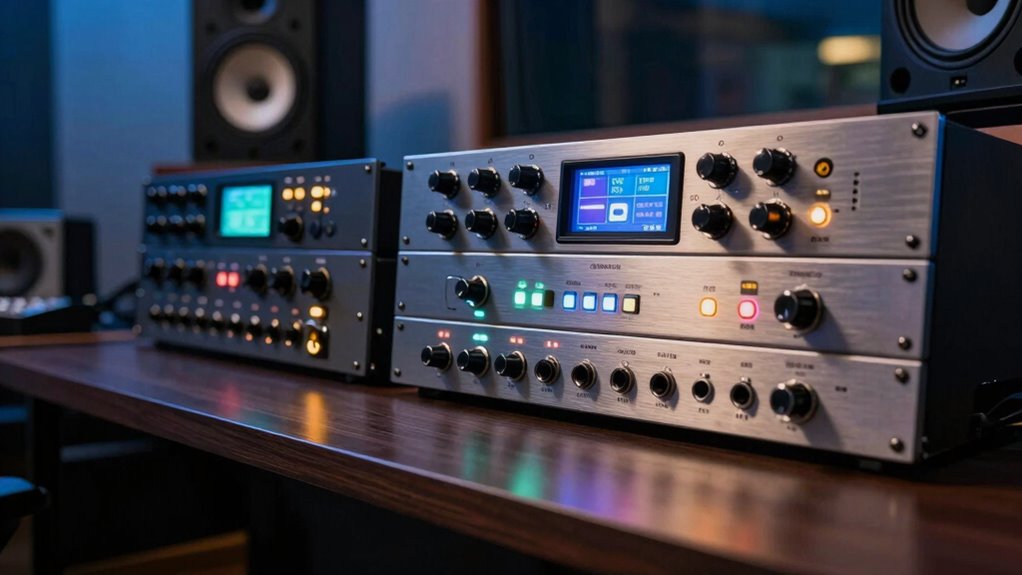

Rackmount interfaces still matter in 2026 studios because they deliver unmatched reliability, expandability, and seamless integration with your other equipment. They support versatile connectivity options, making it easy to connect microphones, instruments, and peripherals. Their modular design allows quick upgrades and troubleshooting, keeping your setup flexible and future-proof. Plus, their sleek look helps maintain an organized, professional environment. Want to discover how these features can elevate your studio? Keep exploring to find out more.
Key Takeaways
- Rackmount interfaces offer modularity, allowing easy upgrades and customization to meet evolving studio needs.
- They provide reliable, low-latency connectivity crucial for professional recording and mixing environments.
- Their durable build ensures long-term performance, reducing maintenance and replacement costs.
- Modular designs support seamless integration with digital workflows and wireless peripherals.
- Sleek, organized rackmount units optimize studio space and enhance a professional aesthetic.
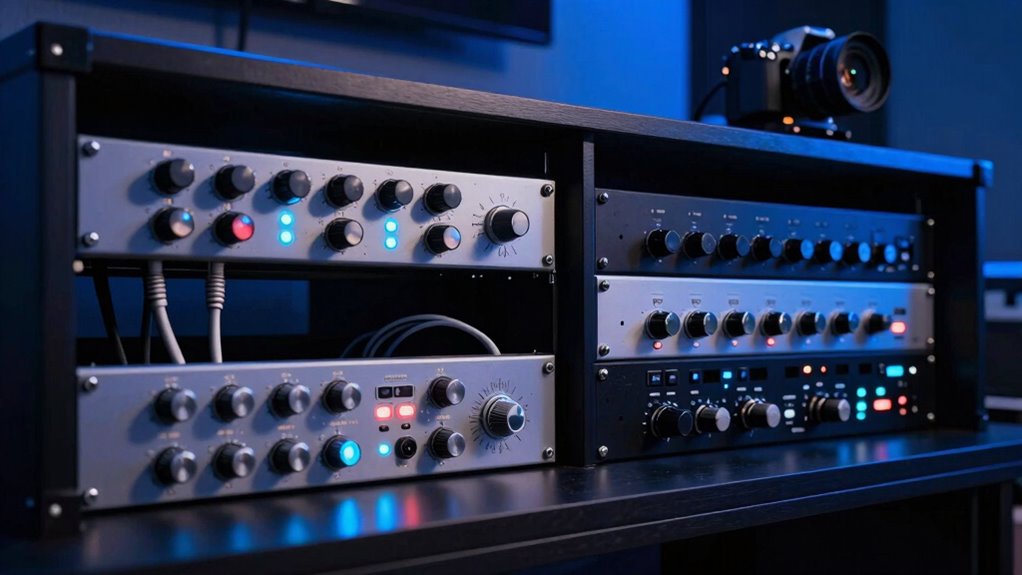
As recording studios continue to evolve in 2026, rackmount interfaces have become essential tools for achieving high-quality sound and seamless workflow integration. You’ll find these devices at the heart of many professional setups because they combine reliability, expandability, and advanced features that modern producers and engineers demand. You can also find these interfaces used in various environments due to their versatile connectivity options, which support a wide range of equipment and signal types. One of the key reasons they still matter is their ability to incorporate wireless integration effortlessly. You can connect microphones, instruments, and other peripherals wirelessly, reducing clutter and increasing flexibility during sessions. This seamless connectivity allows you to focus more on your craft without being hindered by tangled cables or limited physical ports. With wireless control options, you can adjust levels, switch inputs, or monitor signals remotely, giving you greater control over your project from anywhere in the studio. Additionally, the wireless capabilities of these interfaces contribute to a more streamlined and efficient studio environment. Their compatibility with modern software further enhances their value, ensuring smooth integration with digital audio workstations and other essential tools. Beyond functionality, aesthetic design plays a significant role in why rackmount interfaces remain relevant. These units are built with sleek, modern aesthetics that blend well with high-tech studio environments. When your workspace looks professional and organized, it enhances your creative flow. The streamlined look of a well-designed rackmount interface can complement any studio setup, making it easier to keep everything tidy and accessible. Plus, their durable build and clean front panels mean you won’t have to worry about wear and tear over time, ensuring your investment lasts. Moreover, the modular design of rackmount interfaces allows for easy customization and future upgrades, making them a versatile choice for evolving studios. This modular approach also facilitates easier troubleshooting and maintenance, which can be crucial during busy recording sessions. An additional benefit is that these modular systems often support hot-swappable modules, enabling quick replacements without disrupting ongoing work. Another reason these interfaces stay indispensable is their modular nature. You can customize your setup by stacking multiple units or swapping out modules to suit specific project needs. This flexibility is especially important as technology advances, and your studio requirements evolve. You no longer need to replace entire systems when you want to upgrade; instead, you can simply add new modules or integrate wireless capabilities into your existing setup without fuss. This adaptability keeps your studio ahead of the curve, making rackmount interfaces a smart long-term investment. Furthermore, the stability and low latency of rackmount interfaces make them irreplaceable in professional environments. You get consistent, high-quality audio transmission that’s essential for mixing, mastering, and live recording. The robust construction minimizes interference and signal degradation, ensuring your recordings are pristine. Coupled with wireless features, this creates a flexible yet dependable system that adapts to both studio and live settings. In essence, rackmount interfaces in 2026 continue to matter because they blend cutting-edge features like wireless integration with thoughtful aesthetic design, offering a reliable, flexible, and visually appealing solution. They empower you to work efficiently, stay organized, and push the boundaries of your sound without sacrificing quality or style.

Focusrite Scarlett 18i20 4th Gen USB Audio Interface, for Multitrack Recording, Music Production and Podcasting — High-Fidelity, Studio Quality Recording, and All the Software You Need to Record
The engineer’s interface: Scarlett 18i20 features 18 inputs and 20 outputs, including eight mic preamps, Hi-Z, line inputs,…
As an affiliate, we earn on qualifying purchases.
As an affiliate, we earn on qualifying purchases.
Frequently Asked Questions
How Do Rackmount Interfaces Compare to Portable Audio Interfaces?
Rackmount interfaces offer superior durability, making them ideal for studio setups that need long-term reliability. While portable audio interfaces excel in portability advantages, allowing you to easily move between locations, rackmount units are built for stability and extensive use. If your studio prioritizes durability and consistent performance, rackmount interfaces are the better choice. However, for on-the-go recording, portable options provide unmatched convenience and flexibility.
Are Rackmount Interfaces Compatible With All Studio Software?
Yes, rackmount interfaces are compatible with most studio software, thanks to digital integration. They typically connect via standard interfaces like USB, Thunderbolt, or PCIe, ensuring seamless communication with your DAW. Their hardware durability means they withstand heavy use without issues, maintaining consistent performance. This reliability makes them a solid choice for professional studios, where stable, long-term operation is essential for high-quality recordings and mixing sessions.
What Are the Typical Costs of Rackmount Interfaces Today?
The typical costs of rackmount interfaces today range from around $300 to over $2,000, depending on features and quality. When doing a cost comparison, you’ll notice higher-end models offer advanced connectivity and durability, while lower-end units are more budget-friendly. Be mindful of installation challenges, as some models require professional setup or additional equipment, which can add to your overall expenses. Balancing cost and functionality helps you choose the right interface for your studio needs.
How Do Rackmount Interfaces Impact Studio Workflow Efficiency?
Rackmount interfaces boost your studio workflow efficiency by enhancing studio ergonomics, making equipment easier to access and manage. They streamline signal routing, reducing setup time and minimizing errors during sessions. With everything organized in a centralized rack, you can quickly troubleshoot issues and make adjustments, saving valuable time. This setup keeps your workspace tidy and functional, allowing you to focus more on creativity and less on technical hassles.
What Maintenance Do Rackmount Interfaces Require Over Time?
You’d think rackmount interfaces would run forever, but they do need some love over time. Regularly check hardware durability, ensuring components stay intact, and perform dusting to prevent overheating. Power management is also key—keep firmware updated, and verify power supplies work correctly to avoid sudden failures. A little routine maintenance keeps your rackmount interface humming smoothly, proving even in 2026, they still require attention to stay reliable.

Universal Audio Apollo x16D Rackmount Thunderbolt 3 Audio Interface with Dante and Essentials+ Pug-Ins
18 x 20 Thunderbolt 3 audio interface with 16 x 16 Dante network I/O (supports AES67 mode @…
As an affiliate, we earn on qualifying purchases.
As an affiliate, we earn on qualifying purchases.
Conclusion
In 2026 studios, rackmount interfaces still matter because they offer reliability, expandability, and seamless integration. They keep your setup organized, your workflow efficient, and your options open. Whether you’re upgrading or building anew, they provide stability, versatility, and future-proofing. Embrace their durability, their modularity, and their ease of use. Choose rackmount interfaces to stay connected, stay creative, and stay ahead in an ever-evolving audio landscape.
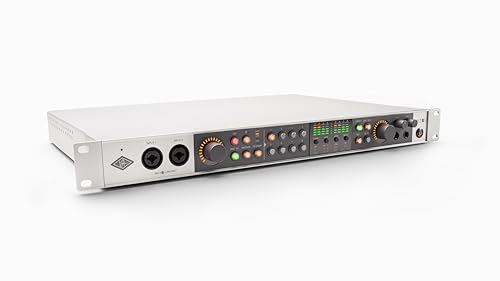
Universal Audio Volt 876 24×28 USB Audio Interface, Rack-Mount Style
Get rich analog tone with eight onboard Vintage preamps and classic compressors inspired by UA’s iconic 610 tube…
As an affiliate, we earn on qualifying purchases.
As an affiliate, we earn on qualifying purchases.

Tascam US-16×08 Rackmount USB Audio/MIDI Interface for Recording, Drum Recording, 8 XLR/8 1/4" Inputs, 8 Outputs, Control Software,Black
Captures 16 mic and line inputs to your computer with clear sound quality and advanced features to manage…
As an affiliate, we earn on qualifying purchases.
As an affiliate, we earn on qualifying purchases.