

In music, tension builds through dynamics like crescendo and forte, creating excitement or anticipation. Then, a gentle decrescendo or soft piano provides release, calming the listener. These shifts are intentional, guiding you through emotional peaks and valleys. By mastering how composers use loud and soft passages, you can better understand the stories music tells. Keep exploring to discover how these subtle changes shape powerful emotional experiences behind every phrase and note.
Key Takeaways
- Dynamic changes like crescendo and decrescendo create musical tension and release, shaping emotional responses.
- Increasing volume builds anticipation, while decreasing volume provides relief, enhancing storytelling.
- Markings such as forte and piano guide performers to evoke specific emotional states through loudness.
- Intentional dynamic shifts manipulate listener engagement by contrasting energy levels.
- Recognizing these techniques deepens understanding of music’s emotional and narrative power.

Have you ever noticed how a piece of music can suddenly become more powerful or softer, shaping your emotional response? That’s the magic of musical dynamics at work, guiding you through moments of tension and release. You might find yourself feeling exhilarated when the music swells, or moved to tears when it gently recedes. These shifts aren’t accidental—they’re carefully crafted through techniques like crescendo and decrescendo, which serve to build or soften the intensity of sound. When a composer signals a crescendo, they’re instructing you to gradually increase volume, creating a sense of anticipation or excitement. Conversely, a decrescendo—or diminuendo—tells you to gradually lower the volume, eliciting a feeling of calm or introspection. These dynamic changes are the tools that shape emotional landscapes within music, transforming simple notes into powerful stories.
In addition to crescendos and decrescendos, you’ll notice how performers interpret markings like forte and piano to communicate mood. Forte, meaning “loud,” pushes the music forward with energy, grabbing your attention and conveying strength or urgency. Piano, meaning “soft,” invites a gentle, intimate atmosphere that draws you closer to the music’s subtleties. When a composer switches from forte to piano, they’re controlling your emotional journey, creating contrast and highlighting particular moments. For example, a crescendo leading into a forte passage can build suspense, only to be followed by a decrescendo into a tender piano section that provides relief or reflection. This interplay of loud and soft, loud and soft, is what keeps you engaged and emotionally invested.
Understanding these dynamics helps you appreciate how music manipulates your feelings on a deeper level. It’s not just about loudness or softness but about the tension created through these shifts. When the sound rises gradually, you experience a sense of building anticipation; when it falls, you feel release. This push and pull—tension and release—are essential to musical storytelling. Composers and performers use these techniques purposefully to evoke specific emotional responses, guiding you through a narrative that’s as much about sound as it is about feeling. Recognizing musical dynamics enhances your listening experience, allowing you to notice the subtle craft behind the music. So next time you listen, pay attention to how crescendos and decrescendos, forte and piano, shape your experience, transforming simple melodies into powerful emotional journeys.

Pocket Guitar Chord Practice Tool, Portable Guitar Neck for Trainer Beginner w/a Rotatable Chords Chart Screen Battery Included
♫ Smart Guitar Chords Training Tool – 6 String 6 Fret allowing you to practice more versatile scales…
As an affiliate, we earn on qualifying purchases.
As an affiliate, we earn on qualifying purchases.
Frequently Asked Questions
How Do Composers Create Tension Through Dynamics?
You create tension through dynamics by using crescendo control to gradually increase volume, building anticipation, then applying decrescendo techniques to soften the sound, releasing the built-up emotion. By carefully manipulating these techniques, you guide listeners through a rollercoaster of intensity, making moments feel more dramatic or peaceful. Mastering crescendo control and decrescendo techniques allows you to craft compelling musical narratives filled with dynamic contrast and emotional impact.
What Role Does Silence Play in Musical Tension?
Silence plays a vital role in musical tension by acting as suspense, making listeners anticipate what comes next. Silent pauses in composition create a moment of stillness that heightens emotional impact, drawing attention to the upcoming notes or shifts. You’ll notice that well-placed silence amplifies the overall tension, providing contrast and allowing the music’s dynamics to breathe, ultimately making the release more powerful when it arrives.
How Do Performers Interpret Dynamic Markings?
You interpret dynamic markings by focusing on instrumental phrasing and expressive shading. When you see a crescendo, you gradually increase volume, shaping the phrase to enhance emotional impact. Conversely, a decrescendo signals a gentle diminuendo, adding subtlety. Your goal is to bring the composer’s intentions to life, using your touch and control to create expressive shading that guides listeners through the emotional landscape of the piece.
Can Dynamics Affect the Emotional Impact of Music?
Yes, dynamics markedly influence the emotional impact of music. By shaping musical phrasing, you can evoke feelings and deepen audience engagement. When you emphasize loud or soft passages thoughtfully, you guide listeners through the music’s mood, making the experience more powerful. Dynamic variations create tension and release, which heightens emotional expression and keeps your audience emotionally connected to the performance.
What Are Common Dynamic Techniques Used in Different Genres?
You’ll find that common dynamic techniques across genres include crescendo effects, where you gradually increase volume to build intensity, and dynamic contrast, which shifts between loud and soft passages to create interest. In classical music, composers often use these to shape phrases, while rock and pop use sudden changes for impact. These techniques keep listeners engaged, conveying emotion and energy through varying loudness levels.
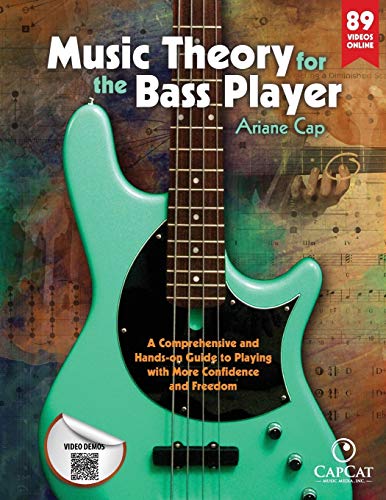
Music Theory for the Bass Player: A Comprehensive and Hands-on Guide to Playing with More Confidence and Freedom (The Bass Player’s Method: Fretboard Fluency & Musical Freedom)
As an affiliate, we earn on qualifying purchases.
As an affiliate, we earn on qualifying purchases.
Conclusion
By mastering tension and release, you can turn a simple melody into an unforgettable emotional journey. Imagine playing a quiet, delicate passage that suddenly erupts into powerful chords—your audience feels the thrill. Like a storyteller building suspense before the climax, your control of dynamics creates moments that resonate deeply. When you harness this art, your music becomes more than sound; it becomes a compelling experience that touches hearts and leaves lasting impressions.
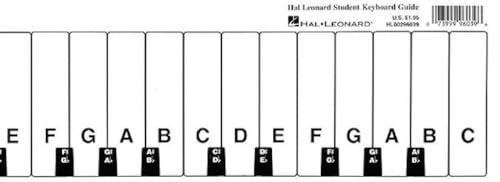
Hal Leonard Student Keyboard Guide – Beginner Piano Note Chart and Learning Tool | Fits Behind Any 88-Key Piano | Treble and Bass Clef Reference for Lessons and Self-Teaching
As an affiliate, we earn on qualifying purchases.
As an affiliate, we earn on qualifying purchases.

The Heart of Vocal Harmony: Emotional Expression in Group Singing (Music Pro Guides)
Pages: 272
As an affiliate, we earn on qualifying purchases.
As an affiliate, we earn on qualifying purchases.