

To keep momentum between releases, focus on celebrating achievements, even small wins, to boost morale. Maintain open communication about goals and progress, and set achievable short-term targets to create a sense of progress. Encourage collaboration and shared ownership to foster engagement, and make certain your team has the resources and support they need. Staying proactive and attentive to team dynamics helps sustain energy—continue exploring these strategies to keep your projects moving forward smoothly.
Key Takeaways
- Celebrate team achievements regularly to boost morale and reinforce a sense of progress.
- Maintain open communication about upcoming goals and project status to keep the team engaged.
- Set short-term, achievable goals to sustain momentum and provide a sense of accomplishment.
- Foster collaboration and ownership by encouraging team input and shared responsibility.
- Provide necessary resources and support, ensuring workload is manageable to prevent burnout and maintain enthusiasm.

Keeping momentum between releases is essential for sustaining your team’s productivity and ensuring continuous progress. When your team feels motivated and engaged, they’re more likely to maintain high-quality work and hit upcoming milestones. One of the key factors in preserving this energy is actively managing team morale. After completing a release, it’s vital to recognize the team’s effort and celebrate the achievement. Release celebrations serve as a powerful tool to boost morale, reaffirm the team’s capabilities, and create a sense of shared success. These moments of recognition can be as simple as a team lunch, a shout-out during meetings, or a more formal event acknowledging everyone’s contributions. Such celebrations remind your team that their hard work is valued, which fuels enthusiasm for the next project phase.
Besides celebrating releases, maintaining open communication is crucial. Keep everyone informed about upcoming goals, project timelines, and changes in priorities. When team members understand the bigger picture and their role in it, they’re more committed and less likely to lose momentum during lull periods. Regular check-ins and transparent updates help catch potential issues early and prevent demotivation caused by uncertainty or misaligned expectations. Additionally, understanding the Louisiana Civil Code can help you navigate legal requirements if your team’s work involves legal or contractual considerations, ensuring compliance and smooth progress.
Another effective approach involves setting short-term, achievable objectives that lead toward larger goals. Breaking down projects into manageable tasks gives your team a clear sense of progress, making it easier to stay motivated. As each task is completed, encourage your team to acknowledge their achievements, reinforcing a continuous cycle of momentum. Recognizing small wins keeps morale high and prevents burnout, especially during extended periods between releases.
Encouraging a collaborative environment also plays a significant role. When your team feels their input matters and they’re working together toward shared goals, it fosters a sense of ownership and collective responsibility. Facilitate opportunities for peer recognition and collaborative problem-solving, which can help maintain enthusiasm and engagement.
Lastly, ensure that your team has the resources and support they need to stay productive. Overloading them with unrealistic expectations or neglecting their well-being can quickly diminish morale and stall progress. Regularly solicit feedback and adjust workflows to keep your team motivated and energized.
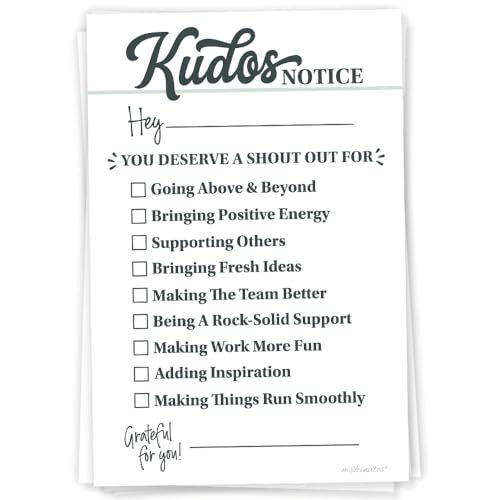
Kudos Notice Cards for Coworkers & Employees – 50 Count Fun Bravo Recognition Cards for Staff Appreciation, Team Building & Office Morale Booster
Boost Workplace Morale: 50 unique bravo cards perfect for employee recognition, encouraging teammates and coworkers, and creating a…
As an affiliate, we earn on qualifying purchases.
As an affiliate, we earn on qualifying purchases.
Frequently Asked Questions
How Can Team Morale Be Sustained During Release Gaps?
You can sustain team morale during release gaps by fostering team bonding through regular informal check-ins and collaborative activities. Implement recognition strategies to celebrate individual and team achievements, keeping motivation high. Encourage open communication, share progress updates, and set interim goals to maintain focus. By actively engaging your team and acknowledging their efforts, you create a positive environment that keeps spirits high until the next release.
What Tools Best Track Progress Between Releases?
Powerful progress tools keep you on track between releases. Agile metrics like burndown charts and velocity dashboards provide precise progress visualization, helping you spot setbacks early. Project management platforms such as Jira or Trello offer real-time updates and task tracking, ensuring your team stays aligned. By leveraging these tools, you can maintain momentum, monitor milestones, and motivate your team to keep pushing forward seamlessly.
How to Handle Scope Creep During Interim Periods?
To handle scope creep during interim periods, focus on scope stabilization by clearly defining and sticking to a feature freeze. Communicate these boundaries to your team, and regularly review project goals to prevent unnecessary additions. When new ideas emerge, evaluate their priority and impact before including them. Enforcing a strict scope freeze helps maintain momentum, ensuring your project stays on track and avoids delays caused by uncontrolled scope changes.
What Strategies Promote Continuous Learning Between Releases?
Think of your team as a garden, constantly needing nurturing. To promote continuous learning between releases, foster a learning culture that encourages curiosity and experimentation. Share knowledge regularly, hold mini workshops, and celebrate small innovations. These strategies create an environment where learning flourishes, keeping your team engaged and innovative. By doing so, you build momentum that sustains progress, ensuring your project stays vibrant and forward-thinking even between major milestones.
How to Manage Stakeholder Expectations During Slow Periods?
You should prioritize clear stakeholder communication and expectation management during slow periods. Keep stakeholders informed about project progress, challenges, and realistic timelines to prevent misunderstandings. Regular updates foster transparency and trust, making it easier to manage expectations. Additionally, involve stakeholders in planning future features or improvements, which keeps them engaged and reassures them that progress is ongoing, even during quieter times.

Microsoft Project Cheat Sheet – Beginner and Advance Quick Reference Guide for Project Management
As an affiliate, we earn on qualifying purchases.
As an affiliate, we earn on qualifying purchases.
Conclusion
Staying motivated between releases keeps your projects on track and guarantees continuous progress. Remember, a chain is only as strong as its weakest link, so don’t let setbacks slow you down. Keep your eyes on the prize, celebrate small wins, and maintain your momentum. If you keep the ball rolling, you’ll find that success is just around the corner. Stay committed, and you’ll turn those quiet periods into opportunities for growth and innovation.

Guide to Virtual Team Building – 55 Team Building Activities to Improve Communication, Build Trust and Boost Morale of Your Remote Team: BONUS: 111 Ultimate Ice Breaker Questions
As an affiliate, we earn on qualifying purchases.
As an affiliate, we earn on qualifying purchases.

Goal Planning Notepad – A5 Goal Setting Journal For Project Action Plan,Task Management, Personal Development & Track Goals. Productivity Notepad For Daily Work & School – 54 Sheets
GOAL PLANNING NOTEPAD – The Goal setting notebook features a highly effective template that will help you to…
As an affiliate, we earn on qualifying purchases.
As an affiliate, we earn on qualifying purchases.