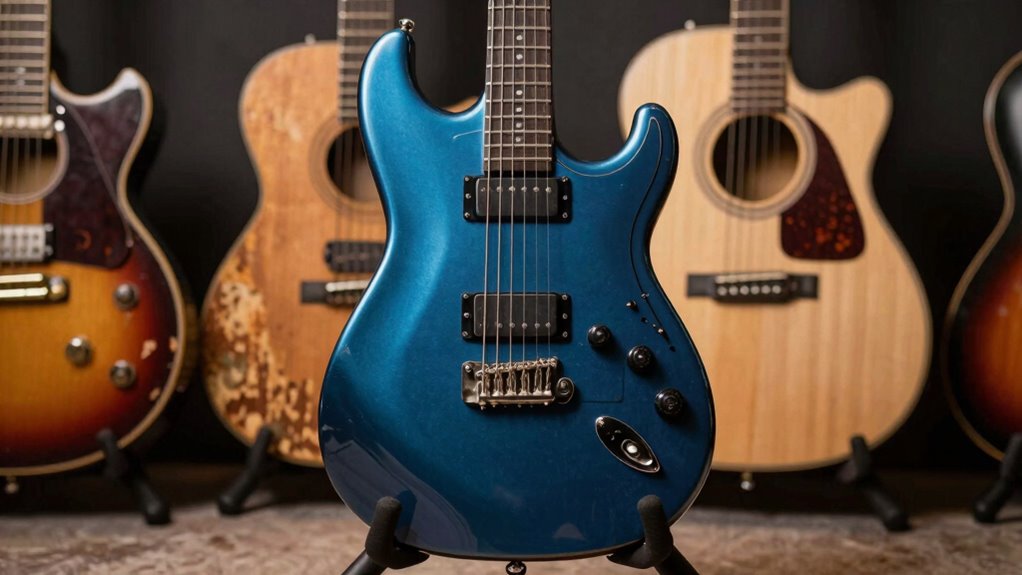
You might find guitar modelers winning you over because they offer unmatched versatility, letting you switch instantly between different amp models, effects, and tones. They deliver authentic sound quality that rivals traditional gear and are compact, portable, making them easier to carry and use in any setting. Plus, their modern convenience, affordability, and ability to replicate vintage sounds appeal to both newcomers and seasoned players. Keep exploring to discover how these innovations can elevate your playing experience even further.
Key Takeaways
- Digital modeling offers versatile, easily switchable tones, reducing the need for multiple physical amps and pedals.
- Advances in technology closely replicate vintage amp sounds, appealing to traditionalists seeking authenticity.
- Compact, portable design makes modelers convenient for practice, recording, and live performances.
- Modern modelers combine vintage appeal with modern features, broadening their acceptance among traditional players.
- Improved realism and user-friendly interfaces enhance credibility and ease of use, encouraging adoption over analog gear.
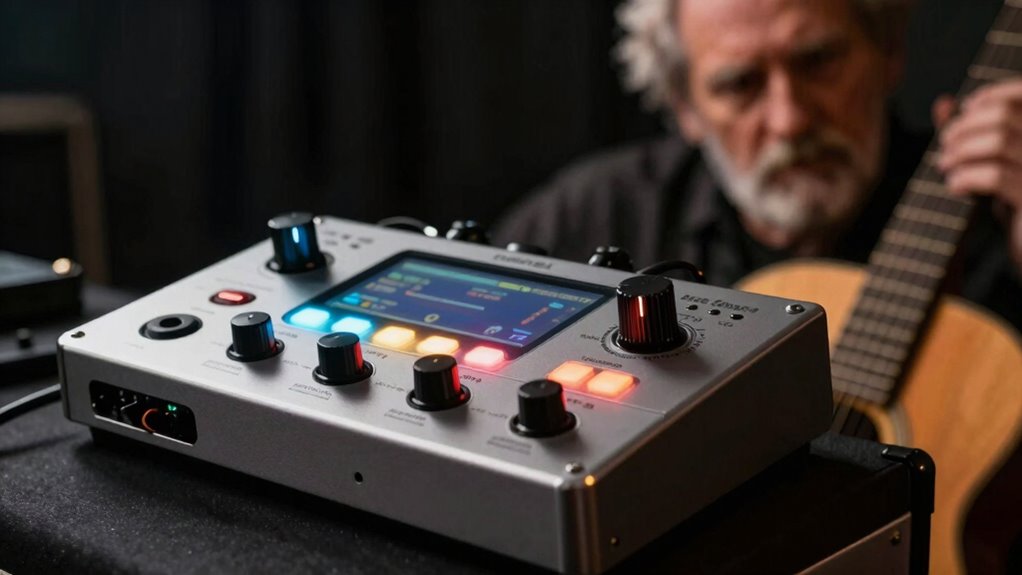
Though many guitar purists still favor traditional amplifiers and analog sound, guitar modelers are increasingly winning over skeptics with their versatility and authenticity. You might think that only classic tube amps can deliver the true tone, but modern guitar modelers have evolved to replicate those cherished sounds with impressive precision. They offer a level of convenience and flexibility that traditional setups simply can’t match, allowing you to switch between a variety of amp models, effects, and tones instantly. This capability appeals to players who want a broad sonic palette without lugging multiple amps and pedals around.
One of the main reasons guitar modelers are gaining ground is their ability to deliver analog authenticity. They utilize advanced digital technology to simulate the nuances of vintage amplifiers, capturing the subtle harmonic distortions, dynamic responses, and tonal characteristics that define classic sounds. When you dial in a tone on a high-quality modeler, it can sound remarkably like a vintage tube amp, making it difficult for even seasoned players to distinguish between the digital and the real thing. This authenticity makes modelers a compelling choice for those who crave the sound quality of traditional gear but want the benefits of modern convenience. Additionally, the ongoing improvements in digital modeling technology continue to enhance their credibility among discerning players. As these advancements progress, the perceived authenticity of digital tones steadily improves, further blurring the lines between digital and analog.
The vintage appeal of guitar modelers also plays a significant role in their rising popularity. Many models come with a collection of classic amp profiles and effects that evoke the golden era of rock and blues. You can access iconic sounds from the 60s, 70s, and 80s without hunting down rare and expensive vintage gear. This immediacy and affordability give you a chance to explore different eras and styles with ease, fueling your creativity. Plus, because these units are compact and portable, you’re more likely to experiment and incorporate a wider range of sounds into your playing, whether for practice, recording, or live performances.
Additionally, advancements in digital modeling technology have helped close the digital and analog gap, making modern modelers even more convincing in their tone replication. Furthermore, guitar modelers often feature user-friendly interfaces and customizable options, making them accessible whether you’re a beginner or a seasoned professional. They enable you to save your favorite tones, tweak parameters on the fly, and even integrate seamlessly with recording software. All these benefits emphasize versatility, allowing you to adapt quickly to different musical settings and genres. As the technology continues to improve, the gap between digital and analog tones narrows, making modelers an increasingly attractive alternative. Over time, their ability to combine analog authenticity with modern convenience and vintage appeal helps explain why they’re winning over traditionalists more and more.

Flatsons FBA-10 Guitar Amp, 10W Mini Electric Guitar Amplifier with Clean/Drive Channel, 6H Working, USB-C Rechargeable, 3.5mm Headphone/AUX Jack, Wireless Portable Amp for Indoor Practice, Traveling
Pure Analog Technology for Crystal-Clear Sound: Featuring full analog technology with a precise frequency response of 100Hz-20kHz @…
As an affiliate, we earn on qualifying purchases.
As an affiliate, we earn on qualifying purchases.
Frequently Asked Questions
Are Guitar Modelers Suitable for Professional Recording Sessions?
Yes, guitar modelers are suitable for professional recording sessions. They offer cost efficiency by eliminating the need for multiple amps and cabinets, saving you money. Plus, their user accessibility allows quick tone adjustments and experimentation, making them practical for various recording environments. You can achieve high-quality, versatile sounds without sacrificing convenience, enabling you to focus on your performance and creativity. This makes guitar modelers a valuable tool in professional studios.
How Do Guitar Modelers Compare in Terms of Durability?
Guitar modelers are surprisingly durable, often lasting longer than traditional amps, and they don’t shy away from the rigors of regular gigging. You’ll notice their analog warmth and tactile experience remain consistent, even after years of use. While some worry about electronic components, quality modelers are built tough, making them a reliable choice that can withstand the demands of both studio sessions and live performances without losing their edge.
Can Guitar Modelers Replicate All Vintage Amplifier Sounds?
Guitar modelers can replicate many vintage amplifier sounds, but achieving complete vintage authenticity is challenging. They excel in sound versatility, offering a wide range of tones that mimic classic amps. While some nuances might be hard to perfect, advancements in modeling technology continue to bridge the gap. So, you can get close to vintage sounds and enjoy diverse tonal options, making modelers a practical choice for many players.
Are There Any Latency Issues With Digital Modeling?
Think of digital modeling like a swift courier delivering a message—sometimes, latency concerns can cause slight delays, but these are often imperceptible. Modern technology minimizes latency issues, ensuring sound fidelity remains high. While a tiny delay might exist, it rarely disrupts your playing experience. You can confidently use guitar modelers, knowing they deliver true-to-life tones with minimal latency, making them practical for practice, recording, and live performances.
Do Guitar Modelers Require Less Maintenance Than Traditional Amps?
Guitar modelers generally require less maintenance than traditional amps, offering greater maintenance ease and cost efficiency. You don’t need to change tubes, deal with speaker repairs, or handle bulky hardware. Instead, you can update software and tweak settings easily. This simplicity saves you time and money, making modelers a practical choice for performers and hobbyists who want reliable, low-maintenance gear that delivers versatile sounds without the hassle of constant upkeep.

MOOER GE100 Multi-Effects Guitar Pedal with 80 Presets, 66 Effects, Loop and 40 Drum Rythm. Distortion, Expression Volume Wah Pedal, Tap Tempo, Headphone Out, LED Screen, Tuner
80 preset patches and 80 user patches, enough for creating your sound library. You can save any preferred…
As an affiliate, we earn on qualifying purchases.
As an affiliate, we earn on qualifying purchases.
Conclusion
As guitar modelers continue to gain ground, you might wonder if the traditionalists’ era is slipping away. Will the authentic touch and vintage tone ever truly be replaced? Or is there a subtle shift happening, blending the old with the new in ways you haven’t yet imagined? The future remains uncertain, but one thing’s clear: the battle between tradition and innovation is far from over. And in that tension, new possibilities quietly emerge, waiting for you to discover.
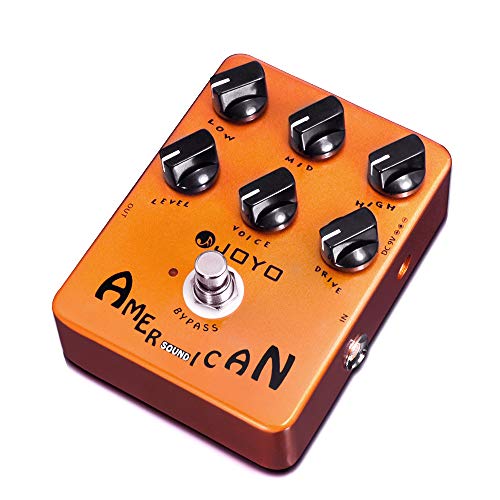
JOYO American Sound Amp Simulator Pedal of Fd 57 Deluxe Amplifier from Clean to Overdrive Sound for Electric Guitar Effect – Bypass (JF-14)
JOYO American Sound guitar effect pedal reproduces the sound of Fd 57 Deluxe amp, performs great sound from…
As an affiliate, we earn on qualifying purchases.
As an affiliate, we earn on qualifying purchases.
vintage amp modeler software
As an affiliate, we earn on qualifying purchases.
As an affiliate, we earn on qualifying purchases.