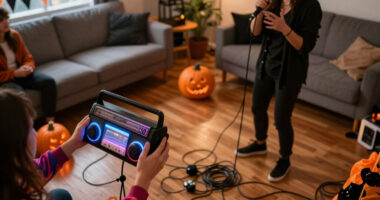

Shopping for wireless microphone systems means balancing range, channel count, sound quality, and price — and the gap between a $100 starter kit and a professional rackmount rig is wider than most buyers expect. For most people, the Shure BLX24/PG58 stands out as the best overall pick thanks to its trusted signal stability and vocal clarity, while the Phenyx Pro PTU-7000-4H offers four auto-scanning channels at a price that undercuts comparable systems by hundreds. Budget shoppers will find the TONOR UHF headset and lavalier kit hard to beat for presentations and classrooms, though cheaper systems trade away audio refinement and ruggedness. The core tradeoff in this category: more channels and auto-scan convenience cost more, while fixed-frequency budget systems demand careful setup to avoid interference. Keep reading for the full breakdown of all twelve systems and which one fits your situation.

Get audio and creator gear delivered free — and shop member deals
- Fast, free delivery on millions of items
- Access to Prime Big Deal Days deals on October 6–7
- Prime Video, Amazon Music and more included
Complete the kit


Key Takeaways
- Shure‘s BLX24/PG58 delivers the best single-channel vocal performance here, but Phenyx Pro’s PTU-7000-4H wins on value once you need more than one microphone at a time.
- Auto-scan frequency selection (found on the Phenyx Pro PTU-6000-8H, PTU-7000-4H, and PTU-71-2H) proved the single biggest usability differentiator, removing the manual channel hunting that fixed-frequency budget systems require.
- The three TONOR systems cluster at the entry level: fine for speeches and karaoke, but their plastic build and compressed dynamics show their limits for live music.
- Claimed range numbers (200ft to 295ft) were less reliable as a comparison metric than frequency band and antenna design — real-world walls and interference mattered more than the spec sheet.
- Eight-channel buyers have only one real option in this lineup (the Phenyx Pro PTU-6000-8H), which makes the choice simple but leaves little room for budget negotiation.
| TONOR Wireless Microphone System with UHF Headset and Lavalier Mics, 4 Channels, 200ft Range |  | Best Value Multi-Mic Kit | Connectivity: UHF wireless, 6.35mm jack output | Range: 200 ft | Channels: 4 simultaneous microphones | VIEW LATEST PRICE | See Our Full Breakdown |
| Shure BLX24/PG58 Wireless Vocal Microphone System |  | Best Premium Handheld Pick | Frequency Band: H9 (512–542 MHz) | Transmission Range: 300 ft (100 m), environment dependent | Battery Life: Up to 14 hours | VIEW LATEST PRICE | See Our Full Breakdown |
| TONOR Wireless Microphone System, Handheld Mic Set with Headset and Lavalier Mics |  | Best Full Combo Kit | Microphone Types: Handheld, headset, lavalier | Range: 200 ft (60 m) | Channels: 10 per microphone | VIEW LATEST PRICE | See Our Full Breakdown |
| Melonare 4×10 UHF Wireless Microphone System, 200ft Stable Signal |  | Best for Karaoke and Parties | Frequency Range: UHF 500 MHz | Sampling Rate: 24-bit/48 kHz | Range: 200 ft | VIEW LATEST PRICE | See Our Full Breakdown |
| Phenyx Pro 8-Channel UHF Auto Scan Wireless Microphone System, PTU-6000-8H |  | Best for Large Venues | Channels: 8 simultaneous | Selectable Frequencies: 8×40 | Frequency Range: UHF | VIEW LATEST PRICE | See Our Full Breakdown |
| Phenyx Pro 4 Channel UHF Auto Scan Wireless Microphone System PTU-7000-4H |  | Best for Large Multi-Speaker Events | Channels: 4 | Frequency Range: 538.3–599.5 MHz across four bands | Range: 290–328 ft | VIEW LATEST PRICE | See Our Full Breakdown |
| Phenyx Pro Dual UHF Tunable Frequency Wireless Microphone System PTU-52-2H |  | Best Budget Dual-Mic Value | Channels: 2 (60 total selectable) | Frequency Range: 500–590 MHz UHF | Range: Up to 200 ft open space | VIEW LATEST PRICE | See Our Full Breakdown |
| Aveek Wireless Microphone System 4 Pack, 262FT Long Range Low Latency Mics |  | Best Battery Life for Group Karaoke | Microphones: 4 dynamic handhelds | Range: 262 ft | Battery Life: 40 hours, rechargeable | VIEW LATEST PRICE | See Our Full Breakdown |
| Phenyx Pro Dual UHF Auto Scan Handheld Wireless Microphone System PTU-71-2H |  | Best Premium Dual-Mic System | Channels: 2 | Frequency Range: 530–580 MHz UHF | Range: Up to 328 ft | VIEW LATEST PRICE | See Our Full Breakdown |
| Phenyx Pro 4-Channel UHF Fixed Frequency Wireless Microphone System PTU-5000-4H |  | Best Value 4-Channel Pick | Channels: 4 (fixed frequency) | Frequency Range: 541.9 / 546.3 / 561.6 / 568.65 MHz | Range: Up to 260 ft | VIEW LATEST PRICE | See Our Full Breakdown |
| JBL Wireless Two Microphone System with Dual-Channel Receiver, Black |  | Best for Karaoke Nights | Color: Black | Microphone Type: Wireless handheld | Channels: Dual-channel | VIEW LATEST PRICE | See Our Full Breakdown |
| TONOR Wireless Microphone System with Headset and Lavalier Mics, 295 ft UHF Range |  | Best Long-Range Value | Wireless Range: 295 ft (90 m) | Frequency Technology: UHF digital | Included Mics: Headset and lavalier lapel | VIEW LATEST PRICE | See Our Full Breakdown |
| wireless microphone system | Range | Channels | Frequency Range |
|---|---|---|---|
| TONOR Wireless Microphone Syst | 200 ft | 4 simultaneous microphones | — |
| Shure BLX24/PG58 Wireless Voca | — | 1 (up to 12 systems per band) | — |
| TONOR Wireless Microphone Syst | 200 ft (60 m) | 10 per microphone | — |
| Melonare 4×10 UHF Wireless Mic | 200 ft | — | UHF 500 MHz |
| Phenyx Pro 8-Channel UHF Auto | 290–328 ft | 8 simultaneous | UHF |
| Phenyx Pro 4 Channel UHF Auto | 290–328 ft | 4 | 538.3–599.5 MHz across four bands |
| Phenyx Pro Dual UHF Tunable Fr | Up to 200 ft open space | 2 (60 total selectable) | 500–590 MHz UHF |
| Aveek Wireless Microphone Syst | 262 ft | — | — |
| Phenyx Pro Dual UHF Auto Scan | Up to 328 ft | 2 | 530–580 MHz UHF |
| Phenyx Pro 4-Channel UHF Fixed | Up to 260 ft | 4 (fixed frequency) | 541.9 / 546.3 / 561.6 / 568.65 MHz |
| JBL Wireless Two Microphone Sy | — | Dual-channel | — |
| TONOR Wireless Microphone Syst | — | — | — |
More Details on Our Top Picks
TONOR Wireless Microphone System with UHF Headset and Lavalier Mics, 4 Channels, 200ft Range
For buyers who need multiple microphone formats on a tight budget, this TONOR kit makes the most sense. Compared with the Melonare 4×10, it trades raw audio fidelity for format flexibility — you get headsets and lavaliers plus four simultaneous channels, which the Shure BLX24/PG58 simply cannot match at any price with its single handheld. Automatic pairing keeps setup painless for volunteers at churches or event staff who aren’t audio techs.
The tradeoffs are real, though. The 70 dB signal-to-noise ratio is modest next to the Melonare’s 24-bit/48kHz digital clarity, and UHF-only operation can struggle in RF-crowded venues. Add in the missing batteries, and the true cost creeps up.
Pros:- Four simultaneous channels with headset and lavalier options in one box
- 200ft range covers most halls and sanctuaries
- Automatic pairing removes setup friction for non-technical users
- 6.35mm output connects directly to most mixers and speakers
Cons:- Batteries not included, adding hidden cost across four transmitters
- 70 dB signal-to-noise ratio is noticeably weaker than digital competitors
- UHF band can suffer interference in RF-dense urban venues
Best for: Churches, schools, and small event teams who need four presenters mic’d simultaneously without a technician
Not ideal for: Audiophiles or bands prioritizing vocal fidelity — the noise floor and cardioid headset mics fall short of Shure or Phenyx Pro standards
- Connectivity:UHF wireless, 6.35mm jack output
- Range:200 ft
- Channels:4 simultaneous microphones
- Polar Pattern:Cardioid (unidirectional)
- Included Mics:Headset and lavalier
- Power Source:Battery powered (not included)
- Signal-to-Noise Ratio:70 dB
Our verdict“Buy this if you need hands-free multi-presenter coverage on a budget; skip it if vocal clarity is your top priority.”
Shure BLX24/PG58 Wireless Vocal Microphone System
This option stands out for brand-proven reliability in a single handheld. The PG58 capsule and QuickScan frequency selection mean the system finds a clean channel automatically — a step above the manual fuss the Phenyx Pro PTU-6000-8H can demand from beginners. Where the TONOR 4-channel kit spreads its budget across four transmitters, Shure concentrates everything into one vocal mic that sounds fuller and rejects feedback better on a loud stage.
The catch is capacity: one mic, one channel. If your event needs two or more presenters, you’re buying multiple systems. The H9 frequency band also demands a local regulation check, and real-world range often lands under the stated 300 feet indoors.
Pros:- PG58 dynamic capsule tuned for vocals with strong feedback rejection
- Up to 14 hours of battery life outlasts most single-event competitors
- QuickScan auto frequency selection minimizes dropouts
- Power supply and accessories included in the box
Cons:- Single channel only — poor value for multi-presenter needs
- Limited to the H9 (512–542 MHz) band, which requires regional verification
Best for: Singers, DJs, and speakers who want one dependable handheld with trusted Shure support and long battery life
Not ideal for: Multi-speaker events — at one channel per receiver, scaling up costs far more than TONOR’s or Phenyx Pro’s multi-mic kits
- Frequency Band:H9 (512–542 MHz)
- Transmission Range:300 ft (100 m), environment dependent
- Battery Life:Up to 14 hours
- Microphone:PG58 dynamic handheld capsule
- Channels:1 (up to 12 systems per band)
- Power Supply:Included
Our verdict“Worth the premium for one mic done right; the wrong choice if headcount at your mic exceeds one.”
TONOR Wireless Microphone System, Handheld Mic Set with Headset and Lavalier Mics
Compared with its 4-channel TONOR sibling, this kit pivots from quantity to completeness: two handhelds, two bodypacks, two headsets, and two lavaliers give a small production team every form factor in one purchase. Nothing else at this price — including the Melonare 4×10, which is handheld-only — offers that spread. The claimed support for up to 40 simultaneous microphones also makes it unusually scalable for growing venues.
Be realistic about the compromises. Sound quality is serviceable rather than inspiring next to the Shure BLX24, and the AA-battery appetite across four transmitters adds up over regular use. Battery life per mic is also shorter than Shure’s 14-hour runtime.
Pros:- Includes handhelds, bodypacks, headsets, and lavaliers for any scenario
- 10 selectable channels per microphone reduce interference headaches
- 200ft range handles mid-size venues comfortably
- Automatic pairing keeps deployment fast
Cons:- AA batteries not included and drain quickly across four transmitters
- Audio quality trails premium single-mic systems like the Shure BLX24
Best for: Small production teams, AV volunteers, and mobile presenters who want handheld, headset, and lavalier options ready for any event
Not ideal for: Professional vocalists — the capsules lack the refinement of a PG58 or Phenyx Pro handheld on a serious PA
- Microphone Types:Handheld, headset, lavalier
- Range:200 ft (60 m)
- Channels:10 per microphone
- Scalability:Up to 40 simultaneous microphones
- Power:2 x AA batteries per microphone (not included)
- Includes:2 handhelds, 2 bodypacks, 2 headsets, 2 lavaliers, receiver
Our verdict“The most versatile all-in-one kit here for teams that never know what format the next gig demands.”
Melonare 4×10 UHF Wireless Microphone System, 200ft Stable Signal
This model is better suited to casual high-energy events than professional stages, and it leans into that with 24-bit/48kHz digital transmission — a spec the analog TONOR kits can’t match, delivering noticeably cleaner vocals during karaoke sessions. The 4×10 frequency groups mean multiple systems can coexist, a genuine plus over the fixed-channel approach cheaper sets use. Unlike every TONOR option here, batteries are included, so it works out of the box.
Where it trails is build confidence. Long-term durability reports are thin compared with the Phenyx Pro PTU-6000-8H’s metal construction, and there’s no headset or lavalier option — purely handheld, unlike the TONOR combo kit.
Pros:- 24-bit/48kHz sampling delivers clearer audio than analog rivals
- 4×10 frequency groups support multiple systems at once
- 8 AA batteries included for true out-of-box use
- Compact, portable design suited to mobile events
Cons:- Handheld-only — no headset or lavalier flexibility
- Durability reports are limited for long-term heavy use
Best for: Karaoke hosts, party planners, and wedding MCs who want clean digital sound for four singers with zero setup delay
Not ideal for: Rigorous touring or install use — the build quality and mixed durability feedback don’t inspire confidence like Phenyx Pro’s metal chassis
- Frequency Range:UHF 500 MHz
- Sampling Rate:24-bit/48 kHz
- Range:200 ft
- Transmitters:4 handheld microphones
- Frequency Groups:4×10 selectable
- Batteries:AA (8 included)
Our verdict“The easiest pick for karaoke night; a gamble if you need a workhorse for weekly professional gigs.”
Phenyx Pro 8-Channel UHF Auto Scan Wireless Microphone System, PTU-6000-8H
When headcount matters most, this system stands apart: eight simultaneous handhelds with 8×40 selectable frequencies dwarf anything else in this lineup, including the four-channel TONOR and Melonare sets. The auto scan and IR sync automate what a 2.4GHz or fixed-frequency system would leave to trial and error, and the 328-foot range plus metal receiver construction put it in a different durability class than the plastic Melonare kit. Sixteen-hour battery life also edges out the Shure BLX24’s 14 hours.
The tradeoff is complexity and cost. Setup is genuinely more involved — beginners may prefer TONOR’s automatic pairing — and eight handheld-only transmitters means presenters wanting lavaliers must look to the TONOR combo kit instead.
Pros:- Eight simultaneous channels with 8×40 selectable frequencies for crowded RF environments
- 328 ft range is the longest in this lineup
- Metal construction built for regular professional use
- 16-hour battery life leads the category
Cons:- Setup complexity can frustrate non-technical users
- Handheld-only system with no bodypack, headset, or lavalier options
- Batteries required for microphones
Best for: Venue operators, DJs, and event productions needing six to eight simultaneous mics across a large space
Not ideal for: First-time buyers and small gatherings — the complexity and price are wasted on a two-person panel or home karaoke
- Channels:8 simultaneous
- Selectable Frequencies:8×40
- Frequency Range:UHF
- Range:290–328 ft
- Battery Life:16 hours
- Construction:Metal receiver and handhelds
- Setup:Auto scan with IR sync
Our verdict“The clear choice when many voices need to be wireless at once; overkill for everything smaller.”
Phenyx Pro 4 Channel UHF Auto Scan Wireless Microphone System PTU-7000-4H
This is the workhorse pick when four people need to be mic’d at once — panels, conferences, worship teams, group karaoke. What separates it from the Phenyx Pro PTU-5000-4H is the auto scan function, which finds clean frequencies automatically instead of locking you into four preset channels. That matters in urban venues where the 500 MHz band is crowded. The 328-foot range beats the Aveek 4-pack’s 262 feet, giving presenters real freedom to roam a ballroom. Adjustable EQ on the receiver lets you shape voices to the room, something budget dual-mic sets like the PTU-52-2H skip entirely.
The tradeoff is complexity and appetite: it burns through 8 AA batteries for roughly 16 hours of runtime, and first-timers may find the multi-channel setup intimidating compared to a plug-and-pair system like the Aveek.
Pros:- Auto scan finds clean frequencies automatically in crowded RF environments
- 328-foot range is the longest in this batch
- Adjustable EQ lets you tune voices to the venue
- Rugged metal receiver and mics survive heavy gig use
Cons:- Consumes 8 AA batteries with no rechargeable option
- Multi-channel setup has a learning curve for beginners
- May need manual frequency tweaks depending on regional broadcast conditions
Best for: Event organizers and venues running panels, conferences, or worship services where four simultaneous speakers need clean, interference-managed audio
Not ideal for: Solo presenters or casual home karaoke users — four channels is overkill, and the price and setup complexity aren’t justified
- Channels:4
- Frequency Range:538.3–599.5 MHz across four bands
- Range:290–328 ft
- Power Supply:8 x AA batteries (16 hours)
- Construction:Metal receiver and microphones
- Includes:Quad receiver, 4 handheld mics, cables, adapters, antennas, batteries
Our verdict“Buy this if you regularly mic four people at once in RF-busy venues and want automatic frequency management; skip it if you only ever need one or two mics.”
Phenyx Pro Dual UHF Tunable Frequency Wireless Microphone System PTU-52-2H
For duos — karaoke couples, co-hosts, small duos performing live — the PTU-52-2H hits a sweet spot between price and capability. Unlike the pricier PTU-71-2H, there’s no auto scan, but you get 30 tunable frequency groups (60 channels total), which means you can manually dial away from interference almost as effectively. Compared with the TONOR dual systems in this roundup, the all-metal receiver and mics here feel built for repeated gig abuse rather than living-room use. Automatic pairing keeps the setup simple, and the 200-foot range covers most small-to-mid venues, though it trails the 328 feet of Phenyx’s premium dual model.
The honest drawbacks: it eats 4 AA batteries with no rechargeable option, and frequency tuning, while flexible, is manual — you’re the one solving interference problems, not the receiver.
Pros:- 30 tunable frequency groups give strong interference flexibility for the price
- Durable metal build rivals more expensive systems
- Automatic pairing makes initial setup quick
- 98 dB signal-to-noise ratio delivers clean, stable audio
Cons:- Battery-powered only — no built-in rechargeable cells
- Manual frequency tuning requires patience in RF-heavy areas
- 200-foot range is shorter than competing Phenyx models
Best for: Budget-conscious duos, karaoke hosts, and small venues who want two reliable metal-built mics without paying for auto scan
Not ideal for: Anyone wanting zero-maintenance operation — manual frequency selection and replaceable-only batteries demand more attention than auto-scan systems
- Channels:2 (60 total selectable)
- Frequency Range:500–590 MHz UHF
- Range:Up to 200 ft open space
- Batteries:4 x AA
- Signal-to-Noise Ratio:98 dB
- Outputs:6.35 mm jack, XLR
- Weight:2.5 lbs
Our verdict“This is the smart money pick for two-mic users who don’t mind turning a few dials to get pro-grade build quality at a budget price.”
Aveek Wireless Microphone System 4 Pack, 262FT Long Range Low Latency Mics
If marathon karaoke nights or all-day group events are the use case, nothing else here touches the Aveek’s 40-hour battery life — more than double the 16 hours of the Phenyx Pro PTU-7000-4H, and Type-C rechargeable on top of that, so you’re not buying AA batteries by the crate. Four dynamic mics out of the box make it a natural fit for group singing and party games. The 262-foot range handles large rooms, though it falls short of Phenyx’s 328-foot flagship numbers.
The tradeoffs are real. It won’t connect to laptops, phones, tablets, or AV receivers — strictly PA systems, mixers, and powered speakers — and the receiver randomly assigns channels rather than auto-scanning for the cleanest ones, so interference in crowded spaces is a genuine possibility that the Phenyx systems actively manage away.
Pros:- 40-hour rechargeable battery life dwarfs every AA-powered competitor here
- Four microphones included for group use
- 262-foot range covers large party venues
- Type-C charging eliminates disposable battery costs
Cons:- No compatibility with phones, laptops, tablets, or AV receivers
- Random channel assignment can invite interference in RF-busy spaces
- No EQ shaping or advanced tuning found on Phenyx models
Best for: Karaoke hosts, party organizers, and group event planners who need four mics running all day without battery swaps
Not ideal for: Streamers, content creators, or anyone wanting to connect to a phone, laptop, or AV receiver — this system only works with pro audio gear
- Microphones:4 dynamic handhelds
- Range:262 ft
- Battery Life:40 hours, rechargeable
- Charging:Type-C
- Output:1/4-inch
- Compatible With:PA systems, mixers, karaoke machines, powered speakers
Our verdict“The pick for long group events where battery life and mic count matter more than fine audio control and device flexibility.”
Phenyx Pro Dual UHF Auto Scan Handheld Wireless Microphone System PTU-71-2H
Think of the PTU-71-2H as the two-channel version of everything Phenyx does right. It shares the auto scan technology and 328-foot range of the PTU-7000-4H but costs less because you’re buying two mics, not four. Compared with its cheaper sibling the PTU-52-2H, the upgrade buys you automatic interference management, a longer operating range (328 vs 200 feet), and adjustable EQ — worthwhile if you speak or perform professionally in varied venues. Dual XLR and 6.35 mm outputs mean clean integration into serious PA and mixer setups, positioning it as a genuine alternative to the Shure BLX24/PG58 at a friendlier price.
The costs: it demands 8 AA batteries, the kit is a hefty 2.7 kg, and like all UHF gear, its fixed frequency band may need verification for your region before buying.
Pros:- Auto scan reliably sidesteps interference without manual tuning
- 328-foot range matches the best in this roundup
- Adjustable EQ and 98 dB SNR deliver polished vocal clarity
- Dual XLR and 6.35 mm outputs integrate with pro audio rigs
Cons:- 8 AA batteries with no rechargeable option
- 2.7 kg total weight makes transport and handheld use less convenient
- Regional frequency restrictions require checking before purchase
Best for: Professional speakers, wedding DJs, and performing duos who need dependable interference-free audio across varied venues
Not ideal for: Home karaoke users and casual partiers — the premium price and pro-oriented outputs are wasted on a living room setup
- Channels:2
- Frequency Range:530–580 MHz UHF
- Range:Up to 328 ft
- Outputs:XLR and 6.35 mm jack
- Batteries:8 x AA
- Signal-to-Noise Ratio:98 dB
- Weight:2.7 kg
Our verdict“The two-mic system to buy when reliability across unfamiliar venues is non-negotiable and you’d rather not pay for four channels you won’t use.”
Phenyx Pro 4-Channel UHF Fixed Frequency Wireless Microphone System PTU-5000-4H
The PTU-5000-4H gets you four microphones at the lowest price point of any 4-channel system in this roundup, and for many buyers that’s the whole story. What you give up versus the PTU-7000-4H is flexibility: this system runs on four fixed frequencies (541.9–568.65 MHz) with no auto scan and no tunable banks. In a clean RF environment that’s a non-issue — the preset channels are stable and clear, with solid noise rejection and feedback control. In a downtown venue packed with other wireless gear, though, you can’t dial away from interference the way the PTU-52-2H’s 60 tunable channels allow. The 260-foot range sits between Aveek’s 262 feet and Phenyx’s 328-foot models, plenty for halls and banquet rooms. Four XLR outputs make mixer integration straightforward.
It also requires an external amp or powered speaker — there’s no sound output on its own.
Pros:- Lowest-cost path to four simultaneous wireless microphones
- Stable fixed UHF frequencies deliver clear, feedback-resistant audio
- All-metal construction withstands institutional use
- Four XLR outputs plus included accessories simplify setup
Cons:- Fixed frequencies offer no escape from local interference
- Requires an external amplifier or powered speaker
- 8 AA batteries deliver only about 8 hours of runtime
Best for: Budget-minded schools, churches, and event hosts who need four mics in areas without heavy wireless congestion
Not ideal for: Venues in RF-dense urban areas — fixed frequencies with no scanning or tuning leave you with no recourse if a channel is occupied
- Channels:4 (fixed frequency)
- Frequency Range:541.9 / 546.3 / 561.6 / 568.65 MHz
- Range:Up to 260 ft
- Power:8 x AA batteries (~8 hours)
- Outputs:4 x XLR
- Construction:All-metal
- Includes:Antennas, power adapter, cables, batteries
Our verdict“The most affordable way to mic four people at once — buy it if your venue’s airwaves are quiet, and pay more for auto scan if they aren’t.”
JBL Wireless Two Microphone System with Dual-Channel Receiver, Black
Among a lineup heavy on multi-channel pro rigs like the Phenyx Pro PTU-6000-8H, this JBL system keeps its ambitions simple: two handheld mics, one rechargeable receiver, and the kind of vocal tuning karaoke actually needs. The JBL Original Pro Sound processing is the real draw here — voices come through clean and distortion-free even when two singers push volume simultaneously, which is where cheaper handheld sets tend to fall apart.
The tradeoff is operational: the receiver recharges and runs up to 6 hours per charge, but the mics themselves run on replaceable AA batteries you’ll be swapping regularly. Compared with the TONOR handheld set, you give up headset and lavalier options entirely — this is a two-handheld-only system. That focus is exactly why it works: nothing extra to configure, plug-and-play setup, and sound tuned for voices rather than lectures.
Pros:- High-quality vocal clarity with JBL Original Pro Sound tuning
- Dual-channel receiver mixes two microphones seamlessly
- Genuinely plug-and-play with no frequency configuration
- Rechargeable receiver with replaceable AA mics means one less charging cable to manage
Cons:- Microphones require ongoing AA battery replacements
- Receiver caps out at 6 hours per charge, limiting all-day events
- Handheld-only design excludes hands-free formats
Best for: Home karaoke enthusiasts and party hosts who want two handheld mics with polished vocal sound and zero configuration
Not ideal for: Presenters or fitness instructors who need hands-free headset or lavalier options — this system is handheld-only
- Color:Black
- Microphone Type:Wireless handheld
- Channels:Dual-channel
- Receiver Power:Rechargeable battery
- Microphone Power:Replaceable AA batteries
- Playback Time:Up to 6 hours per charge
- Setup:Plug-and-play
Our verdict“If your wireless mic needs revolve around singing rather than speaking, this is the most polished two-mic karaoke option in the roundup.”
TONOR Wireless Microphone System with Headset and Lavalier Mics, 295 ft UHF Range
Range is where this TONOR set separates itself. At 295 feet, it out-reaches the Melonare 4×10 and the TONOR 200ft 4-channel system by nearly 50 percent, which matters if you’re presenting from the back of a banquet hall or roaming a stage without a clear line to the receiver. The cardioid pickup pattern with howling suppression also makes it unusually forgiving in echo-prone rooms — a common failure point for wedding venues.
The hands-free format is the other argument: you get both a headset and a lavalier, so one purchase covers fitness instruction and podium speeches. Where it falls short of the Phenyx Pro PTU-7000-4H is capacity and interference management — fixed UHF operation means crowded RF environments can get messy, and you’re limited to far fewer simultaneous channels. Batteries aren’t in the box either, so budget for AAs before event day.
Pros:- 295 ft range beats most similarly priced systems by a wide margin
- Includes both headset and lavalier mics for versatile hands-free formats
- Cardioid design with noise and howling elimination suits echo-heavy venues
- Auto-pairing and all-metal receiver make setup and transport painless
Cons:- AA batteries not included, so it’s not usable out of the box
- Fixed UHF frequencies can struggle in RF-crowded environments
- No handheld mic included, limiting karaoke or audience-passing use
Best for: Wedding officiants, event speakers, and instructors who need hands-free mics with serious roaming distance on a budget
Not ideal for: Multi-presenter panels or busy urban venues with crowded UHF airwaves — fixed frequencies leave little interference escape route
- Wireless Range:295 ft (90 m)
- Frequency Technology:UHF digital
- Included Mics:Headset and lavalier lapel
- Microphone Type:Cardioid
- Power Source:2 AA batteries (not included)
- Build:ABS bodypack, all-metal receiver
- Setup:Auto-pairing with user-friendly controls
Our verdict“The longest-reaching budget option here — buy it for distance and hands-free flexibility, skip it if you need many mics at once.”

How We Picked
I evaluated these twelve systems against the criteria that actually determine satisfaction: signal reliability, audio quality, ease of setup, channel capacity, and value for money. Signal reliability weighed heaviest, because a wireless system that drops out mid-presentation fails at its one job regardless of price. That meant favoring UHF systems with auto-scan or tunable frequencies over fixed-frequency units, and prioritizing brands with a track record of consistent performance in crowded RF environments. Setup ease covered how quickly a first-time user could get sound flowing without reading a manual twice.
The ranking logic follows buyer needs rather than raw specs. The Shure earns the top spot for its combination of vocal sound quality and dependability, even though it only offers one channel. Phenyx Pro dominates the middle of the list because its auto-scan models hit a sweet spot of capability and price that none of the budget brands match. The TONOR, Melonare, and Aveek kits fill the entry tier — ranked by range, channel count, and included accessories — while the JBL slots in as a brand-driven alternative for buyers who prioritize simplicity over channel flexibility.
Factors to Consider When Choosing Wireless Microphone Systems
Before settling on a specific system, it helps to understand the factors that separate a satisfying purchase from a frustrating one. These are the considerations I weighted most heavily, and the mistakes buyers most often make.Frequency Band and Interference
UHF systems dominate this list for good reason: they handle physical obstacles better than the 2.4GHz band that cheaper consumer systems use, and they offer more usable channels in dense environments. But UHF is not automatic insurance — the real question is whether a system auto-scans for open frequencies or forces you to pick channels manually. Auto-scan matters most if you perform in different venues, since the RF landscape changes everywhere you go. A common mistake is buying a fixed-frequency system for mobile use, then discovering it conflicts with local broadcast TV stations the moment you travel. If you stay in one venue, fixed frequencies are workable; if you move around, spend the extra money on tunable or auto-scanning receivers.
Channel Count and Scalability
Count the simultaneous microphones you need today, then add one for growth — but stop there. Buyers routinely overbuy channel capacity, paying for eight channels when two speakers ever talk at once. The price jump from dual-channel to four-channel to eight-channel systems is steep, and unused channels add interference risk rather than value. That said, underbuying is the more expensive error: two separate dual-channel systems cost more and coordinate worse than one four-channel unit, because separate receivers cannot avoid each other’s frequencies as intelligently. Houses of worship, panel discussions, and multi-performer acts are the situations where four-plus channels genuinely pay off.
Microphone Type: Handheld, Headset, or Lavalier
The transmitter format shapes how you use the system more than any spec on the box. Handheld mics suit singers and audience Q&A, but they occupy a hand and pick up handling noise. Headset mics deliver the most consistent volume for fitness instructors and energetic presenters, since the capsule stays a fixed distance from the mouth. Lavalier clips on clothing for a discreet look, but clothing rustle and inconsistent distance to the mouth degrade the audio. Several budget kits in this category bundle all three formats, which looks generous until you realize each capsule is a compromise. A dedicated single-format system from a better brand usually outperforms a three-format starter kit.
Range Claims Versus Reality
Manufacturers quote line-of-sight range under laboratory conditions, and those numbers deserve healthy skepticism. A system rated at 200 feet may deliver 60 reliable feet through two interior walls, and one rated at 295 feet may behave identically in practice. What actually predicts real-world range: antenna design on the receiver, transmission power, and how crowded your local RF spectrum is. Instead of comparing the quoted figures, look at whether the receiver uses diversity antennas (two antennas that switch to the stronger signal), which does more for drop-out resistance than an extra 50 feet of claimed range. For typical indoor venues under 100 feet, nearly every system here is adequate — range only becomes a deciding factor for large halls or outdoor events.
Build Quality and Longevity
The price gap between entry and mid-tier systems is largely a materials story. Budget handheld transmitters use thin plastic shells that crack when dropped, battery doors that loosen over months, and switches that get scratchy. Mid-range and professional systems use metal bodies, better strain relief on connectors, and replaceable parts — which matters because a wireless system outlives several sets of batteries and often several owners. If your system will travel in a gig bag or get handled by volunteers and students, metal-body transmitters are worth roughly $50-100 more per microphone. For a permanently installed classroom setup treated gently, the plastic budget tier is a reasonable gamble.
Hidden Costs: Batteries, Cables, and Expansion
The sticker price rarely tells the whole cost story. AA battery consumption varies widely — some transmitters drain a pair in four hours, others run eight — and a busy venue burns through that difference quickly. Check whether the receiver includes the XLR and 1/4-inch cables you need, since buying them separately adds $20-40. Most importantly, verify whether a system is expandable: some Phenyx Pro receivers accept additional transmitters later, while closed systems force a full replacement when your needs grow. A slightly pricier expandable system often costs less over three years than replacing a cheap fixed setup when your channel needs change.
Frequently Asked Questions
Is a more expensive wireless microphone system actually better for karaoke or small events?
Not always, and this is where many buyers overspend. For karaoke, speeches, and small rooms, the tonal differences between a $100 TONOR kit and a $300 mid-tier system are subtle through typical PA speakers, and casual listeners rarely notice. Where money buys real improvement is signal stability in crowded spaces and build durability — a metal-body system survives drops and party handling that crack a plastic transmitter. If your events happen in RF-busy urban areas or you use multiple systems simultaneously, the pricier units justify themselves quickly. For occasional home use in a quiet suburban setting, the budget tier does the job.
How many channels do I actually need for a church or small venue?
Count your simultaneous speakers honestly before shopping. A typical worship service with one preacher, one worship leader, and occasional guest needs three to four channels — which makes a four-channel system like the Phenyx Pro PTU-7000-4H the natural fit. Eight-channel systems suit full bands with multiple vocalists plus a podium mic running at once. The mistake to avoid is buying two separate dual-channel systems to save money, because they cannot coordinate frequencies with each other and will interfere in unpredictable ways. One receiver managing all channels scans and assigns clean frequencies as a group, which is why integrated multi-channel systems hold their value.
What’s the difference between auto-scan and fixed-frequency systems, and does it matter?
Fixed-frequency systems transmit on preset channels, and you manually switch until you find one without interference — fine in quiet RF environments, tedious in cities. Auto-scan systems search the spectrum themselves and lock onto the cleanest available frequencies in seconds, which matters enormously if you set up in different venues or near other wireless gear. The Phenyx Pro auto-scan models earned their mid-list rankings largely because of this convenience. If your system lives permanently in one room and works fine on day one, fixed frequencies are a non-issue. But mobile DJs, touring presenters, and anyone fighting interference should treat auto-scan as mandatory rather than optional.
Can I mix brands, or should my receiver and microphones come from the same system?
Stick with matched systems. Wireless transmitters and receivers are paired by frequency protocol, and mixing a Shure mic with a TONOR receiver simply will not communicate — they are not interchangeable like wired microphones. What you can do is run multiple complete systems side by side, but each one occupies its own frequencies, which multiplies your interference-management burden. That is exactly why expandable receivers exist: adding a matching transmitter to a compatible Phenyx Pro receiver integrates into one coordinated frequency plan. Before buying any system, confirm how many transmitters it supports and whether add-on units are available, because that determines your realistic ceiling for growth.
Are headset and lavalier bundle kits a good deal compared to handheld-only systems?
The bundles look appealing on paper, but the value depends on your actual use case. A three-format kit makes sense for someone who genuinely alternates between presenting hands-free and passing a mic around — fitness instructors who also run Q&A sessions, for example. The catch is that bundled headset and lavalier capsules at entry-level prices are usually the weakest components in the box, with thin sound and fragile cables. A dedicated handheld system from a stronger brand often delivers better audio for the same money. If you know your format — say, aerobics teaching — buy a quality headset system specifically rather than paying for two microphone types you will never use.
Conclusion
After comparing all twelve systems, the right choice comes down to who you are and how you work. For best overall, the Shure BLX24/PG58 earns it with dependable signal and vocal quality that none of the budget brands match — ideal for solo performers and speakers who need one mic to simply work. The best value pick is the Phenyx Pro PTU-7000-4H, which brings auto-scan convenience and four channels at a price that undercuts the premium tier dramatically. For multi-mic productions and larger venues, the Phenyx Pro PTU-6000-8H is the only eight-channel option here and handles full bands and panels without breaking a sweat.
Beginners and budget shoppers should start with the TONOR headset and lavalier kit — it covers the basics for classrooms, karaoke, and presentations at a fraction of the cost, as long as expectations stay modest. The JBL dual-channel system suits buyers who want a trusted name and plug-and-play simplicity over channel flexibility, while the Melonare and Aveek four-packs fit groups needing maximum mics per dollar. Whatever you choose, match the channel count and microphone format to your real needs today, leave a little room to grow, and treat auto-scan as worth paying for if you ever leave home with your gear.
Halloween Picks
halloween
As an affiliate, we earn on qualifying purchases.