TL;DR
Listen free for 30 days with Audible
Thousands of audiobooks and originals — cancel anytime.
Start your free trialAs an affiliate, we earn on qualifying purchases.
Wireless microphone systems give creators freedom and crisp sound. Modern options are more reliable, portable, and feature-rich than ever. Choose based on range, sound quality, and compatibility for your needs.
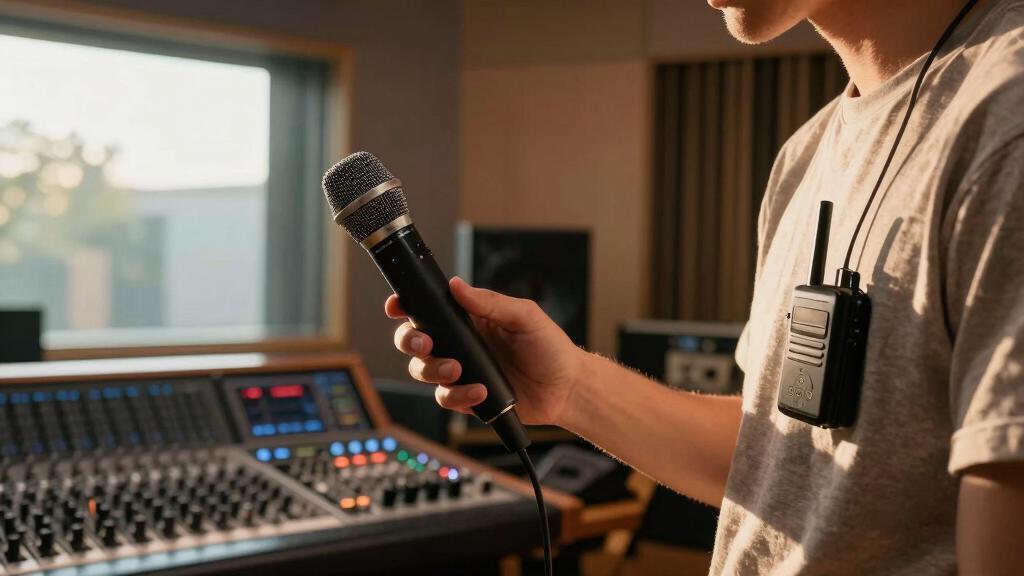
Imagine filming outdoors, surrounded by wind, traffic, and chatter. Your audio still comes through crystal clear. That’s the power of a good wireless microphone system. It’s like giving your voice wings—free from cables, yet sharp and reliable.
Whether you’re vlogging, interviewing, or streaming, your mic should work as hard as you do. In this guide, you’ll learn how to spot the best options, what recent tech advances mean for you, and practical tips to get started without headaches.
Modern digital wireless systems cut interference by over 90%, ensuring crisp audio in crowded environments.
Prioritize battery life and portability—long shoots demand systems that won’t die mid-recording.
Compatibility matters—check if the system connects seamlessly with your camera, smartphone, or other devices.
Multi-channel and networked options open creative possibilities like multi-person interviews or live streaming.
Invest in systems with noise cancellation and weatherproofing if you shoot outdoors or in noisy areas.
What Makes a Wireless Microphone System Perfect for Creators?
Great sound quality, reliable connection, and ease of use top the list. For example, a YouTuber filming in a busy park needs a system that cancels wind noise and stays connected over 50 meters. Think about your typical shooting environment: loud city streets? Indoor studio? Your needs will shape your choice.
Key aspects include:
- Sound quality: Clear, natural audio without background hums or hisses. High sound quality ensures your voice is captured accurately, which is crucial for professional-sounding content. Poor audio can distract viewers and diminish your credibility.
- Range: How far can you walk or move before losing connection? For indoor shoots, 30 meters might be enough; for outdoor, 100+ meters. Longer range offers greater flexibility, allowing you to move freely without worrying about dropouts, which is essential for dynamic filming styles.
- Interference: Operating on crowded frequencies leads to dropouts. Digital systems often use encrypted, less congested bands. This reduces the risk of interruptions during critical moments, ensuring your audio remains consistent. However, choosing a system that adapts to changing environments or offers auto-scan features can further minimize interference risks.
- Battery life: Aim for 4+ hours for longer shoots. Some systems offer quick charge or replaceable batteries. Longer battery life prevents unexpected shutdowns, which can ruin takes or cause delays. Quick-charging features allow you to recharge between shots, maintaining workflow efficiency.
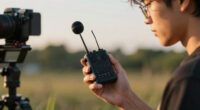
wireless microphone system for content creators
As an affiliate, we earn on qualifying purchases.
As an affiliate, we earn on qualifying purchases.
How Recent Tech Boosts Your Content with Wireless Mics
Wireless tech is evolving fast. Digital transmission offers cleaner sound and fewer dropouts. For instance, systems using 2.4 GHz Wi-Fi or Dante network tech deliver near-zero latency and top-tier clarity, even in complex setups. This technological leap means creators can record live performances or multi-mic setups with unprecedented reliability, reducing post-production corrections and enhancing spontaneity.
Here are some game-changers:
- Digital systems: Shift from analog UHF to digital for clearer, interference-free audio. Digital transmission not only reduces noise but also allows for more secure and stable connections, which is critical when recording in noisy or congested environments. The tradeoff is often higher cost and complexity in setup, but the gains in quality and reliability are worth it.
- App control: Many systems now include smartphone apps for adjusting settings on the fly. This feature enables real-time monitoring, quick adjustments, and troubleshooting, giving creators more control and flexibility during shoots. However, reliance on apps means ensuring your device’s compatibility and stable connectivity.
- Multi-channel capability: Use multiple microphones at once—perfect for panels or band recordings. This expands creative possibilities, allowing for simultaneous recording of multiple sources without complex cabling. The tradeoff is increased system complexity and higher cost, which may not be necessary for solo creators.
- Miniaturization: Tiny transmitters and discreet lavalier mics blend into clothing or hair, making your setup invisible. This enhances visual professionalism, especially for interviews or performances, but smaller devices may have shorter battery life or be more delicate.
- AI Noise Cancellation: Advanced algorithms filter out background noise, ensuring your voice remains front and center. This technology is transformative for outdoor or noisy environments, but it can introduce latency or require more processing power, which might impact real-time monitoring.
digital wireless microphone for outdoor filming
As an affiliate, we earn on qualifying purchases.
As an affiliate, we earn on qualifying purchases.
Compare UHF and 2.4 GHz Wireless Systems Side-by-Side
| Feature | UHF Systems | 2.4 GHz Systems |
|---|---|---|
| Interference Resistance | Moderate; can suffer from TV/radio signals | High; uses Wi-Fi tech, less crowded bands |
| Range | Typically 50-100 meters | Usually 30-70 meters |
| Latency | Often higher (up to 20ms) | Lower (<10ms) |
| Ease of Setup | Requires frequency scanning and manual tuning | Plug-and-play, automatic pairing |
| Price | Varies, generally $200-$1500 |
multi-channel wireless mic for interviews
As an affiliate, we earn on qualifying purchases.
As an affiliate, we earn on qualifying purchases.
Tips to Pick the Right Wireless Microphone System for Your Content
Choosing the right system doesn’t have to be complicated. Here are five steps:
- Determine your environment: Outdoors with wind? Indoors with echoes?
- Set your budget: Entry-level ($50-$200) for hobbyists, professional ($500+) for serious production.
- Check compatibility: Is it for camera, smartphone, or both? Look for output options like 3.5mm, XLR.
- Prioritize battery life: Aim for 4 hours or more, especially if you shoot long sessions.
- Read reviews and test: Real user feedback and demo units help you avoid surprises.
wind noise cancelling wireless microphone
As an affiliate, we earn on qualifying purchases.
As an affiliate, we earn on qualifying purchases.
What Should You Look for When Buying a Wireless Mic System?
Beyond features, focus on the details. For example, if you shoot interviews in urban settings, look for systems with strong interference rejection. If mobility is key, prioritize lightweight, compact transmitters. Remember, a good mic system should feel like an extension of your creativity, not a burden.
Key features include:
- Secure transmission: Encryption prevents eavesdropping. This is especially important for confidential interviews or sensitive content, ensuring your audio remains private and protected from potential hacking or interception.
- Multiple channels: Run several mics simultaneously for group recordings. This capability allows for more complex setups without needing multiple devices, saving time and reducing clutter, which is vital in dynamic shooting environments.
- Weatherproofing: Essential for outdoor shoots in rain or wind. Weatherproof systems prevent damage and maintain performance, giving you peace of mind and reducing the risk of costly repairs or replacements.
Frequently Asked Questions
What is the best wireless microphone system for beginner creators?
For beginners, systems like Rode Wireless GO II or Sennheiser XSW-D are excellent. They’re affordable, easy to set up, and reliable. These kits offer solid sound quality and minimal fuss, perfect for starting out without breaking the bank.
How do I avoid interference when using wireless mics outdoors?
Choose systems operating on less congested bands like 2.4 GHz or digital UHF. Always scan for free channels before shooting. Keeping your system away from Wi-Fi routers, other wireless devices, and metal structures helps maintain a stable connection. Additionally, consider using systems with auto-scan or frequency-hopping features, which dynamically select the best channel to minimize interference.
How long does the battery usually last?
Most wireless mics last between 4 and 8 hours on a single charge. For longer shoots, consider systems with quick charge features or spare batteries. Always carry extras to avoid surprises. Understanding the tradeoff between battery capacity and size can help you choose a system that balances portability with runtime.
Can I use wireless mics with my smartphone?
Yes, many systems now include 3.5mm or USB-C outputs for smartphones. Some even connect via Bluetooth. Check your device’s compatibility and whether the system’s app offers remote control features. Keep in mind that wireless connections to smartphones may have higher latency or susceptibility to interference, so choosing a system designed specifically for mobile use can improve reliability.
Are wireless microphones secure from eavesdropping?
High-quality digital systems use encryption to prevent eavesdropping. This makes them suitable for confidential interviews, business communications, or sensitive content. Cheaper or analog models often lack encryption, increasing vulnerability. Investing in encrypted systems ensures your audio remains private, providing peace of mind during sensitive shoots or recordings.
Conclusion
Wireless microphone systems have transformed how creators capture sound. They’re no longer just accessories—they’re essential tools for professional-quality content, wherever you go.
Pick a system that matches your environment, budget, and creative style. With the right gear, your voice can be heard loud and clear—anywhere, anytime.
NFL season / tailgating Picks
team gear
As an affiliate, we earn on qualifying purchases.