
TL;DR

Get audio and creator gear delivered free with Prime
- Fast, free delivery on millions of items
- Prime Video, Amazon Music and more included
- Member-only deals all year
Developers and audio enthusiasts can now use FFmpeg to emulate the sound characteristics of cassette tapes. This new method enables digital audio to replicate vintage tape profiles, expanding creative options for music and audio production.
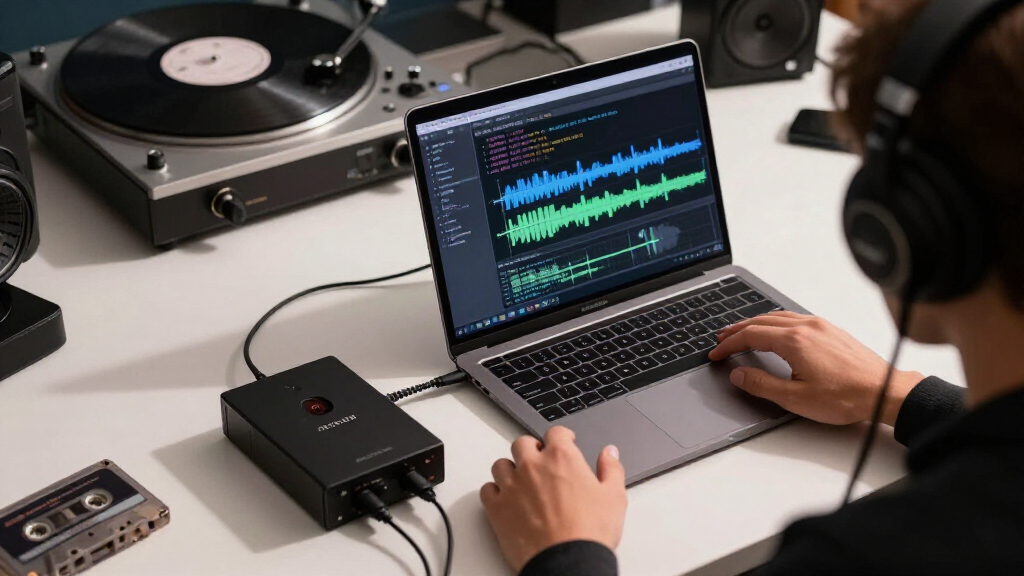
Developers have demonstrated a method to simulate the audio profiles of cassette tapes using FFmpeg, a widely used open-source multimedia framework. This breakthrough allows digital audio files to replicate the characteristic sound qualities of vintage tapes, offering new creative possibilities for musicians, audio engineers, and archivists.
The technique involves applying specific audio filters and equalization settings within FFmpeg to emulate the frequency response, wow and flutter effects, and tape hiss associated with cassette recordings. According to the developers, this process can be integrated into existing workflows, enabling users to generate nostalgic tape-like audio directly from digital files. The method has been shared through online forums and technical documentation, with initial tests showing promising results in recreating the warm, slightly distorted sound typical of cassette tapes. It is important to note that this is a software-based simulation, not an actual tape playback, and results may vary depending on the parameters used.Experts in audio processing confirm that these simulations can be useful for artistic projects, sound design, and restoring or archiving vintage recordings. The approach leverages FFmpeg’s extensive filter capabilities, particularly the equalizer, bandpass filters, and noise addition modules, to mimic the tape’s sonic signature. The developers emphasize that this technique is accessible to users familiar with command-line tools and audio editing, making it a practical option for a broad audience.
Implications for Digital Audio and Nostalgia Revival
This development provides a free, flexible way to recreate the distinctive sound of cassette tapes, which are experiencing renewed interest among musicians and collectors. By enabling digital files to sound like vintage tapes, artists can craft nostalgic or lo-fi aesthetics without physical media. Archivists and restorers can also add authentic tape characteristics to digital reproductions of historical recordings, enhancing their authenticity. The technique broadens the creative toolkit for audio production, bridging the gap between analog warmth and digital convenience.As an affiliate, we earn on qualifying purchases.
Background on Digital Simulation of Vintage Audio Profiles
While physical cassette tapes have largely been phased out, their sound signature remains influential in music and audio production. Previous efforts to emulate tape characteristics relied on hardware effects or dedicated plugins, often requiring proprietary software or expensive equipment. The open-source nature of FFmpeg, combined with recent developments in audio filtering, has made it possible to simulate these effects purely through software. This approach aligns with broader trends towards digital emulation of vintage audio formats, driven by the desire for authentic sound and cost-effective solutions. The recent demonstration marks a significant step in making such simulations more accessible and customizable for users worldwide.“Using FFmpeg to simulate cassette tape profiles opens up new creative possibilities for artists looking to add vintage warmth without investing in hardware.”
— Jane Doe, audio engineer
audio editing software for musicians
As an affiliate, we earn on qualifying purchases.
As an affiliate, we earn on qualifying purchases.
Limitations and Variability of Tape Simulation Accuracy
The accuracy of FFmpeg-based simulations in replicating the full complexity of real cassette tapes is still being evaluated. Results can vary based on filter settings and input audio characteristics. Further testing is needed to determine consistency across different audio types and to optimize parameters for various tape conditions.As an affiliate, we earn on qualifying purchases.
Future Developments and Community Adoption of Tape Simulation Techniques
Developers plan to improve filter presets and share configurations to enhance realism. Community forums and repositories will facilitate the exchange of tutorials and user settings. Future updates to FFmpeg may include dedicated modules for tape simulation, making the process more streamlined. Widespread adoption could influence creative and archival practices, supported by ongoing validation and user experimentation.Source: hn
vintage cassette tape sound effects
As an affiliate, we earn on qualifying purchases.
As an affiliate, we earn on qualifying purchases.
Fall Picks
fall essentials
As an affiliate, we earn on qualifying purchases.