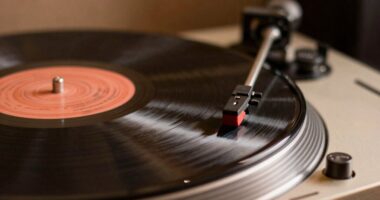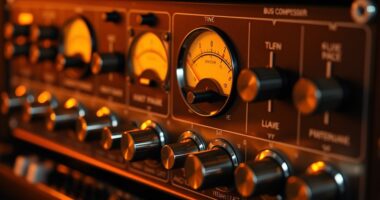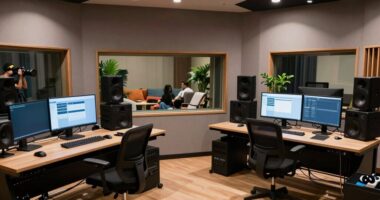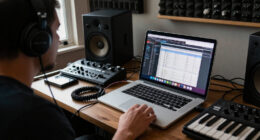
Eventually, you’ll face the choice between vintage hardware drum machines and modern digital plugins. Hardware offers authentic, iconic sounds with a tactile vibe, but it can be bulky and less flexible. Digital plugins give you vast sound libraries, detailed editing, and seamless DAW integration, though they can lack the raw feel of vintage gear. Balancing both can give you the best of both worlds—if you want to explore this further, you’ll find helpful insights ahead.

Get audio and creator gear delivered free with Prime
- Fast, free delivery on millions of items
- Prime Video, Amazon Music and more included
- Member-only deals all year
Key Takeaways
- Deciding between authentic vintage hardware for classic sound and modern digital plugins for flexibility.
- Balancing the desire for raw, nostalgic vibe versus polished, versatile production capabilities.
- Considering workflow efficiency and physical space when choosing hardware versus software.
- Evaluating the importance of preserving cultural and sonic significance of vintage drum machines.
- Integrating both hardware and digital tools to leverage their combined strengths in production.
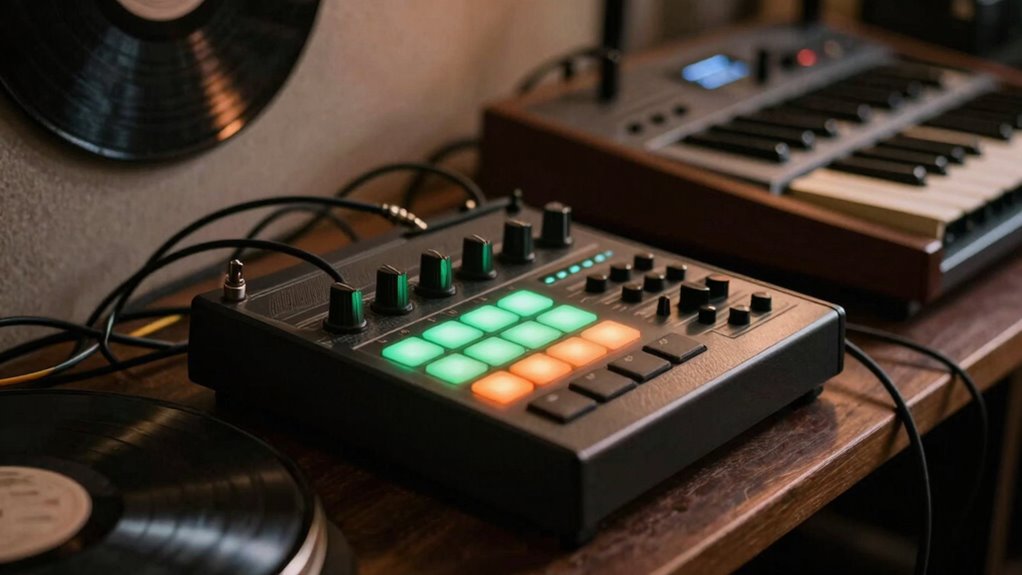
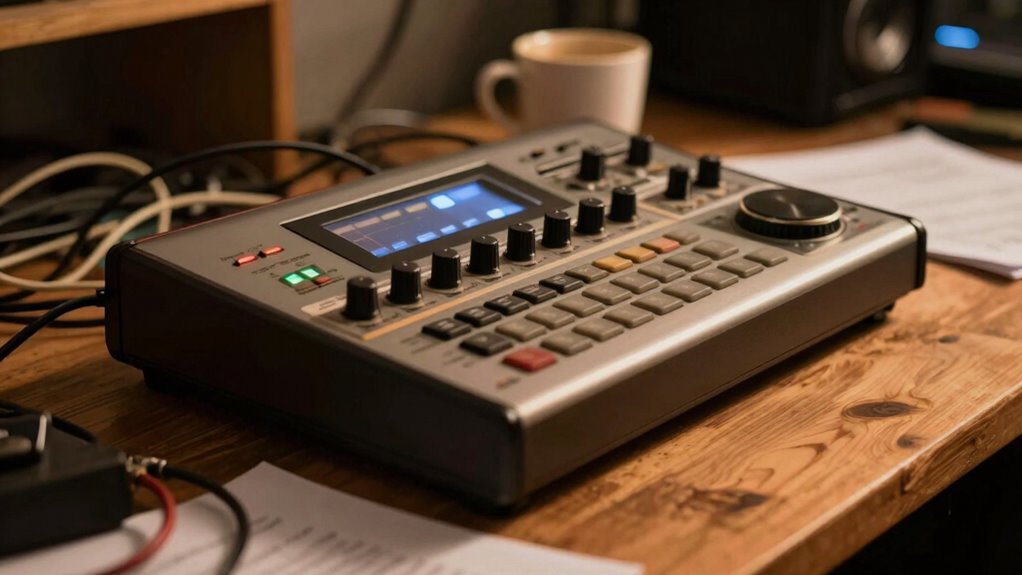
When it comes to producing music, one question often sparks debate: should you stick with classic drum machines or explore modern digital drum plugins? This dilemma isn’t new; it’s rooted in a complex history of sampling and technological development. Classic drum machines, like the Roland TR-808 or TR-909, carry a deep sample history that has shaped entire genres. These machines used pre-recorded sounds, which gave them their distinctive character. Their sounds are iconic, instantly recognizable, and carry a nostalgic weight that many producers find inspiring. But as much as these machines are revered, they also have technical limitations. Older hardware can be limited in terms of sound variety, editing flexibility, and integration with modern workflows. You’re often restricted by the built-in sounds and step-sequencers, which might not fulfill the detailed customization you want for your track. Plus, hardware units can be bulky, prone to wear, and sometimes difficult to synchronize with your digital setup.
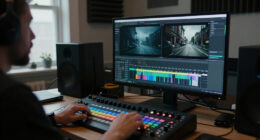
On the other hand, modern digital drum plugins offer a different experience. They provide an expansive library of sounds, often sampled from vintage gear but with the added benefit of endless editing options. You can tweak individual hits, change pitch, add effects, and create entirely new sounds that weren’t possible with traditional hardware. These plugins are also highly flexible, seamlessly integrating with your DAW, enabling complex patterns, humanization, and real-time manipulation. However, some argue that these plugins lack the authentic feel of the original machines. They sometimes feel too polished or sterile, losing the raw, imperfect vibe that made classics special. Additionally, because digital plugins are software-based, they can be resource-heavy, leading to potential latency issues and requiring a powerful setup to run smoothly. Understanding the sampling process] is crucial to appreciating the cultural significance and sonic imprint that vintage gear carries, which many producers aim to preserve even when shifting to digital tools.
Furthermore, the sample-based nature of vintage drum machines means they carry a cultural significance and sonic imprint that many producers want to preserve, even when modernizing their workflow. The distinctive sound of these machines is often what makes them so desirable, and digital emulations sometimes struggle to fully capture that essence. Your choice ultimately depends on what you’re after. If you crave the authentic vibe, historic sounds, and tactile interface, classic drum machines are hard to beat despite their limitations. But if you prefer flexibility, a vast palette of sounds, and easy integration into your modern studio, digital plugins are a compelling option. It’s worth noting that many producers blend both approaches—using vintage hardware for character and digital tools for convenience. This way, you get the best of both worlds: the sample history and unique qualities of old-school gear paired with the technical versatility of modern technology. The key is understanding what you need for your sound and workflow, then choosing the tool that aligns with your creative goals.
Roland TR-808 vintage drum machine
As an affiliate, we earn on qualifying purchases.
As an affiliate, we earn on qualifying purchases.
Frequently Asked Questions
Which Drum Machine Is Best for Beginners?
If you’re a beginner, start with the Roland TR-8S. It’s user-friendly, offers a wide range of rhythm patterns, and allows sound customization, making it easier to learn and experiment. Its intuitive interface helps you grasp beat creation quickly. Plus, it provides versatile sounds to explore your style. This drum machine is perfect for building foundational skills while giving you room to grow creatively.
How Do I Choose Between Digital and Analog Drum Machines?
You should choose between digital and analog drum machines based on your sound goals. If you’re after vintage aesthetics and rich, warm tones, an analog machine offers authentic character and hands-on sound customization. Digital drum machines provide versatility, precise control, and a wide range of sounds. Consider what style fits your music, whether you want the classic vibe of analog or the flexibility of digital, and pick accordingly.
Can Drum Machines Replace Live Drumming in Productions?
Drum machines can sometimes replace live drumming in productions, but they often lack the human feel that adds musical authenticity. While modern drum machines can deliver precise beats and unique sounds, they might not capture the subtle nuances and dynamics a live drummer brings. If you want a more organic, lively vibe, combining a drum machine with live percussion or programming subtle variations can help achieve a balanced, authentic sound.
What’s the Latest Technology in Drum Machine Design?
The latest in drum machine design features cutting-edge algorithm innovation and advanced sound synthesis techniques. You’ll find devices that utilize AI-driven algorithms to generate more realistic and dynamic patterns, while sound synthesis offers richer, more customizable tones. These innovations let you craft unique beats with greater expression and complexity, pushing the boundaries of traditional drum machines. Embrace this technology to elevate your productions and achieve a more authentic, lively sound.
How Do I Integrate a Drum Machine Into a DAW?
You can integrate a drum machine into your DAW by connecting it via MIDI or audio. Once connected, use your DAW’s interface to assign your drum machine’s output to a track, enabling creative sequencing and sound shaping. This setup lets you layer patterns, tweak sounds, and experiment with rhythms seamlessly. Coincidentally, this approach open up a new domain of creative possibilities, making your beats more dynamic and personalized.
As an affiliate, we earn on qualifying purchases.
Conclusion
Ultimately, choosing between a drum machine and live drums is like tuning an instrument—each has its own voice, its own heartbeat. Picture the steady click of a drum machine guiding your track, or the unpredictable swing of live drums breathing life into your beat. Whichever path you take, trust your instincts and let your music flow naturally. After all, it’s your rhythm, your story—crafted from the pulse that moves you most.
As an affiliate, we earn on qualifying purchases.
best digital drum sampler software
As an affiliate, we earn on qualifying purchases.
As an affiliate, we earn on qualifying purchases.
Halloween Picks
halloween
As an affiliate, we earn on qualifying purchases.