
Understanding the mathematics of rhythm involves exploring how beats are subdivided into equal parts, like halves, thirds, or quarters, which shape the feel of the music. These subdivisions create intricate patterns, syncopations, and polyrhythms that add complexity and groove. By manipulating internal divisions while maintaining a steady pulse, you can craft rhythms that feel both natural and compelling. Keep exploring, and you’ll uncover how these mathematical principles bring your music to life.
Key Takeaways
- Rhythmic subdivisions divide beats into equal parts, forming the mathematical foundation for complex patterns and groove.
- Layering different subdivisions creates polyrhythms, producing intricate and hypnotic rhythmic textures.
- The interplay between subdivisions and a steady pulse influences the overall rhythmic feel and emotional engagement.
- Precise mathematical division enables musicians to craft natural, compelling rhythms with tension and groove.
- Understanding subdivisions enhances perception of rhythmic complexity, revealing how mathematical structures shape musical feel.

Have you ever wondered how musicians create complex rhythms that feel both natural and mesmerizing? It all comes down to mastering rhythmic subdivision techniques and understanding polyrhythmic patterns. When you dig into how rhythms are constructed, you’ll see that musicians break down beats into smaller, manageable units—this process is at the core of rhythmic subdivision techniques. These techniques involve dividing a beat into equal parts, such as halves, thirds, or quarters, allowing musicians to build intricate patterns that sound seamless and compelling. For example, dividing a measure into four equal parts creates a straightforward subdivision, but layering different subdivisions over each other can produce rich textures and syncopations that keep your ear engaged.
Additionally, understanding how brain processes rhythmic patterns helps explain why certain rhythmic structures evoke feelings of groove and tension, making music more engaging.
Polyrhythmic patterns take this a step further by stacking different rhythmic subdivisions on top of each other. Imagine one instrument playing a pattern based on dividing a beat into three parts—triplets—while another plays in duples, dividing the same beat into two. The interaction between these different subdivisions creates a polyrhythm, which can feel like the rhythms are weaving around each other. This technique lends a sense of complexity and groove that feels both natural and hypnotic because your brain naturally seeks to reconcile these contrasting patterns. This interplay is what gives rise to many traditional and contemporary musical styles, from African drumming to jazz and even electronic dance music.
Understanding how polyrhythmic patterns are constructed helps you appreciate how musicians manipulate time within a piece. They might use simple subdivisions to establish a steady pulse but then layer more intricate subdivisions to add tension or excitement. When you listen to rhythmic subdivision techniques in action, you’ll notice that the pulse remains constant, but the internal subdivisions change, creating a vibrant sense of movement. This balance between consistency and complexity is what makes rhythm feel alive and engaging.
metronome with subdivision markings
As an affiliate, we earn on qualifying purchases.
As an affiliate, we earn on qualifying purchases.
Frequently Asked Questions
How Do Different Cultures Interpret Rhythmic Subdivisions?
You see that different cultures interpret rhythmic subdivisions uniquely, affecting their cultural timing and overall feel. For example, African rhythms often emphasize complex polyrhythms, while Latin American styles favor syncopation and clave patterns. In Asian music, you might notice more flexible timing, creating a flowing feel. These rhythmic interpretations shape the distinct character and emotional expression of each musical tradition, giving each a unique cultural identity.
Can Mathematics Predict the Emotional Impact of a Rhythm?
You can’t precisely predict emotional responses with pure mathematics, but mathematical modeling helps you understand how rhythms evoke feelings. By analyzing patterns and subdivisions, you see how certain beats stimulate specific sensations. While math guides your grasp of rhythm’s structure, the emotional impact depends on personal perception and cultural context. So, math provides a framework, but your feelings bring the rhythm to life.
Are There Universal Principles Governing Rhythm Perception?
Yes, there are universal principles governing rhythm perception. You find that syncopation patterns and polyrhythmic structures resonate across cultures because your brain detects common timing cues and pattern recognition. These principles help you perceive rhythm consistently, regardless of musical style. Your brain naturally seeks predictability and pattern, making certain rhythmic elements universally engaging. This shared perception highlights fundamental aspects of how humans experience and interpret rhythm worldwide.
How Does Tempo Influence Rhythmic Subdivision Choices?
When you change the tempo, you often adjust your rhythmic subdivisions to match it. Higher tempos tend to favor simpler subdivisions like eighth notes, while slower tempos allow for more complex patterns such as triplets or sixteenth notes. Tempo variability directly influences your choice of subdivision complexity, helping you guarantee a natural feel. You instinctively adapt your rhythmic choices to make certain the groove remains steady and expressive across different tempos.
What Role Does Symmetry Play in Rhythmic Feel?
Symmetry in rhythm is like a mirror reflecting balance in your feel. It guides your sense of stability and predictability, anchoring syncopation patterns and asymmetrical meters. When rhythms are symmetrical, they create a sense of order that feels natural. Conversely, asymmetry introduces surprise and complexity, making your groove more dynamic. Recognizing this balance helps you craft rhythms that evoke specific emotions and maintain listener engagement.
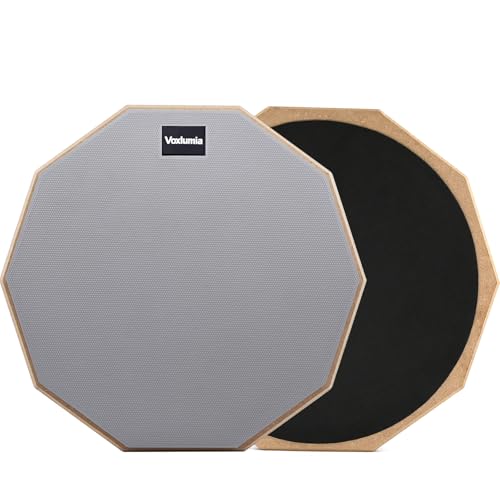
Voxlumia 12 Inch Portable Drum Practice Pad – Triple-Layer Professional Quiet Design with Non-Slip Base | Ideal for Drum Kit Practice, Rhythm Training, Home & Travel Use
Triple-Layer Professional Structure: The pad combines three materials scientifically—a top layer of high-rebound rubber striking surface, a middle…
As an affiliate, we earn on qualifying purchases.
As an affiliate, we earn on qualifying purchases.
Conclusion
Now that you understand the mathematics behind rhythm, you see how numbers shape emotion and connection. It’s fascinating how simple subdivisions can evoke joy or longing, turning cold calculations into soulful expression. As you feel the beat in your bones, remember that beneath every groove lies a precise, elegant code—proof that math and music aren’t so different after all. Together, they create moments that move us deep inside.

Anika Nilles' Pad Book: Fundamental Workouts: Subdivision Studies, Mixed Meters, Polyrhythms, Hand Independence
As an affiliate, we earn on qualifying purchases.
As an affiliate, we earn on qualifying purchases.
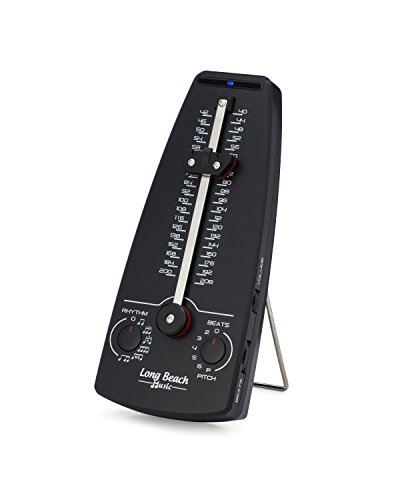
Digital Metronome + Pitch Generator + Rhythm & Beats for Musicians, Piano, Violin, Guitar
DIGITAL / MECHANICAL HYBRID- Unique design, easy to use. Powered by 3 AAA batteries (included), makes a beeping…
As an affiliate, we earn on qualifying purchases.
As an affiliate, we earn on qualifying purchases.