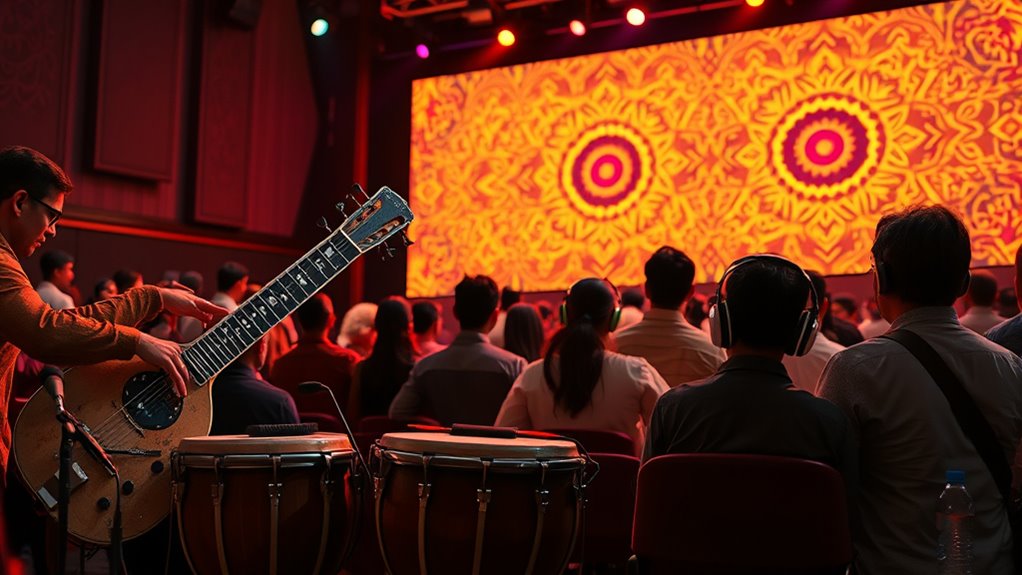

By exploring ethnomusicology, you gain valuable insights into global folk traditions, helping you authentically incorporate diverse musical elements into your compositions. This approach encourages experimentation and cross-cultural fusion, enriching your work with depth and originality. Understanding the cultural significance behind traditional sounds fosters respect and collaboration with musicians worldwide. If you continue exploring, you’ll uncover ways to fuse traditions thoughtfully, creating music that celebrates diversity and innovation seamlessly.
Key Takeaways
- Ethnomusicology provides insights into traditional musical practices, enabling respectful integration of global influences into modern compositions.
- Studying folk traditions through ethnomusicology helps composers understand cultural significance, ensuring authenticity in their work.
- Ethnomusicological research encourages cross-cultural collaboration, fostering innovative fusion of diverse musical elements.
- Incorporating global folk elements enriches modern music with depth, emotional resonance, and cultural diversity.
- Ethnomusicology supports the development of a universal musical language by highlighting shared themes and unique regional expressions.

Ethnomusicology has become a vital source of inspiration for modern composers seeking to incorporate diverse cultural sounds into their work. When you explore folk traditions from around the world, you gain access to a rich tapestry of melodies, rhythms, and storytelling techniques that can breathe new life into your compositions. These traditions, often rooted in centuries of cultural expression, offer authentic sounds that can be seamlessly blended with contemporary musical elements. By studying folk music, you can uncover unique scales, instruments, and performance practices that add depth and authenticity to your music. This approach not only broadens your sonic palette but also celebrates cultural diversity, making your work more vibrant and meaningful.
Engaging with folk traditions encourages you to experiment with musical fusion, combining different styles to create innovative sounds. You might take a traditional African drum pattern and layer it with electronic beats or incorporate a Balkan folk melody into a jazz arrangement. Musical fusion allows you to transcend boundaries, creating cross-cultural dialogues within your compositions. It’s about respecting the origins of these folk elements while transforming them into something fresh and personal. As you weave these influences together, you develop a unique voice that reflects a global perspective. This process challenges you to think creatively, balancing respect for tradition with a desire for innovation.
Your role as a modern composer is to listen deeply and understand the cultural contexts behind folk music. When you do this, you avoid superficial borrowing and instead embed genuine meaning into your work. This consideration enhances the emotional impact of your compositions, resonating with audiences who appreciate authenticity and cultural richness. The incorporation of folk traditions also invites collaborations with musicians from diverse backgrounds, fostering a shared exchange of ideas and techniques. These collaborations can lead to unexpected breakthroughs, expanding your understanding of music as a universal language. Additionally, exploring ethnomusicology can deepen your appreciation for the historical and cultural significance of the musical elements you incorporate.
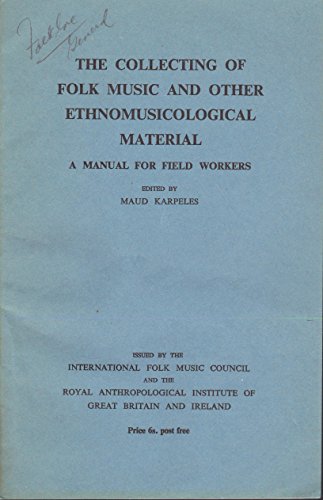
The Collecting of Folk Music and Other Ethnomusicological Material
As an affiliate, we earn on qualifying purchases.
As an affiliate, we earn on qualifying purchases.
Frequently Asked Questions
How Do Composers Choose Which Cultures to Incorporate?
You choose which cultures to incorporate based on their cultural relevance and how well their musical elements fit your composition. You consider authenticity, ensuring that the music respects its origins, and aim for genuine representation. You might explore cultures that resonate with your themes or inspire you creatively. By doing so, you create a piece that honors the tradition while adding your unique voice, blending global influences thoughtfully and respectfully.
What Ethical Considerations Are Involved in Ethnomusicological Influences?
You should prioritize cultural sensitivity and respect for the communities you’re inspired by, ensuring you understand their traditions and meanings behind their music. Be mindful of intellectual property rights, seeking permission when necessary and giving proper credit. Avoid cultural appropriation by engaging authentically and ethically, recognizing the significance of their musical heritage. This approach helps honor the original culture while creating respectful, meaningful compositions.
How Does Ethnomusicology Impact Traditional Music Preservation?
Ethnomusicology helps preserve traditional music by promoting cultural authenticity and supporting musical diversity. When you explore and document indigenous sounds, you guarantee these traditions aren’t lost over time. By respecting cultural contexts and encouraging collaboration, you contribute to protecting authentic musical expressions. This approach fosters appreciation for diverse musical heritage, allowing future generations to experience and learn from the rich tapestry of global traditions.
Are There Any Risks of Cultural Appropriation in Modern Compositions?
Yes, there are risks of cultural appropriation in modern compositions. You might unintentionally disrespect or misrepresent cultures if you overlook cultural sensitivity. To maintain artistic authenticity, it’s crucial to research thoroughly, collaborate with cultural insiders, and approach influences with respect. Doing so ensures your work honors the original traditions while creating something new, helping you avoid misappropriation and fostering genuine appreciation.
How Do Audiences Typically Respond to Ethnomusicological Elements?
You’ll find that audiences often respond with strong engagement and emotional resonance when ethnomusicological elements are incorporated thoughtfully. These elements can evoke curiosity, deepen understanding, and create a powerful connection to diverse cultures. As a listener, you might feel inspired or moved by the authentic use of traditional sounds, which enhances your overall experience. However, respectful integration guarantees that your engagement remains positive and meaningful, fostering appreciation rather than appropriation.

Remo SP-0207-TD Spring Drum Thunder Tube – Tie Dye, 2.32"
Sounds somewhere between a gong and a dijeridoo
As an affiliate, we earn on qualifying purchases.
As an affiliate, we earn on qualifying purchases.
Conclusion
As you explore ethnomusicology’s enriching essence, you witness how worldwide whispers weave into your work, awakening authentic artistry. Embrace the exhilarating energy of eclectic influences, echoing through every note, nuance, and nuance. By blending boundaries, you build bridges that bind diverse traditions, breathing bold, beautiful life into modern melodies. Let the lively legacy of global sounds guide your growth, transforming tradition into timeless tunes, and inspiring infinite innovation in your creative journey.

Guitar Scales for Beginners: How to Solo Effortlessly and Create Your Own Music Even If You Don't Know What A Scale Is: Secrets to Your Very First Scale (Guitar Scales Mastery)
As an affiliate, we earn on qualifying purchases.
As an affiliate, we earn on qualifying purchases.

ZJEFUNS Baby Musical Instruments Set Wooden Montessori Toys for Toddlers 1-3 Percussion Instruments Set Modern Boho Music Toys for Kids Preschool Educational.
9 IN 1 Musical Instrument Set: The Set Includes a variety of musical instruments – 1 x Xylophone,…
As an affiliate, we earn on qualifying purchases.
As an affiliate, we earn on qualifying purchases.