
As an independent artist, effective financial planning and budgeting help you manage fluctuating income, maximize royalty earnings, and grow your career sustainably. You should track all income sources, set realistic budgets, and create savings goals to avoid cash flow issues. Understanding your royalty agreements and negotiating fair contracts guarantees you get paid correctly. By organizing your finances now, you’ll make smarter decisions that support long-term success—discover more tips to keep your finances on track.
Key Takeaways
- Develop a detailed budget that accounts for multiple income streams and expenses to maintain cash flow stability.
- Track all royalty payments and contractual income regularly to ensure accurate financial records and timely payments.
- Implement a reliable financial management system to monitor earnings, expenses, and set aside funds for taxes and future projects.
- Negotiate clear contracts with fair royalty splits, payment terms, and rights management to protect income and artistic control.
- Integrate royalty and contract management into your financial planning to support strategic decision-making and long-term career growth.

As an independent artist, managing your finances might feel overwhelming, but effective financial planning and budgeting are essential for sustaining and growing your creative career. One of the critical aspects of this is understanding royalty management. Royalties are your income stream from various sources like streaming platforms, sales, licensing, and performances. Keeping track of these payments and knowing how much you’re owed can be complex, especially when multiple parties are involved. Establishing a system to monitor your royalty income ensures you’re paid correctly and on time. Regularly reviewing statements and understanding the terms of your royalty agreements helps you identify discrepancies early and avoid losing earnings. This proactive approach empowers you to make informed decisions about your career and financial goals. Utilizing reliable financial tracking tools can simplify this process and provide clearer insights into your earnings.
Effective royalty management is key to ensuring timely, accurate income as an independent artist.
Another vital element is contract negotiation. When working with labels, publishers, or licensing deals, your ability to negotiate favorable terms directly impacts your income and creative control. It’s crucial to thoroughly review every contract, preferably with legal assistance, to understand your rights and obligations. Negotiating effectively means advocating for fair royalty splits, clear payment timelines, and clauses that protect your artistic interests. Don’t accept standard contracts without question; customize terms that align with your career trajectory. Good contract negotiation also involves setting boundaries around rights management, licensing, and revenue sharing, ensuring you retain control over your work and its profitability.
Integrating these two areas—royalty management and contract negotiation—into your financial planning creates a stable foundation for your career. By staying organized and informed about your royalty streams, you gain clarity on your income flow, which helps you set realistic budgets and savings goals. Negotiating contracts with a strategic mindset ensures you receive fair compensation for your efforts and retain the rights necessary to grow your brand. Furthermore, understanding your financial landscape allows you to plan for taxes, set aside funds for future projects, and avoid cash flow issues that can jeopardize your work.
In essence, mastering royalty management and contract negotiation isn’t just about protecting your earnings; it’s about empowering yourself to make smarter financial choices. As an independent artist, your career depends on your ability to manage your money wisely. By implementing disciplined tracking systems, seeking legal guidance when needed, and honing your negotiation skills, you establish a resilient financial foundation. This not only sustains your current projects but also opens doors for future opportunities, giving you the freedom to focus on what you do best—creating great art.

Music Software Bundle for Recording, Editing, Beat Making & Production – DAW, VST Audio Plugins, Sounds for Mac & Windows PC
No Demos, No Subscriptions, it's All Yours for Life. Music Creator has all the tools you need to…
As an affiliate, we earn on qualifying purchases.
As an affiliate, we earn on qualifying purchases.
Frequently Asked Questions
How Can Independent Artists Access Affordable Financial Advice?
You can access affordable financial advice by exploring free or low-cost budgeting tools online, which help you manage your income and expenses effectively. Improve your financial literacy through online courses, webinars, or resources tailored for artists, so you understand your finances better. Additionally, consider reaching out to local artist organizations or community programs that often offer free financial workshops or mentorship, making expert advice more accessible and budget-friendly.
What Are Common Financial Mistakes Independent Artists Make?
You often overlook cash flow management, risking insolvency, or fall into tax pitfalls by not setting aside enough for taxes. While chasing big projects, you might neglect regular budgeting, leading to financial stress. Many independent artists underestimate expenses or fail to track income properly, causing cash flow issues. Avoid these mistakes by staying organized, planning ahead, and consulting affordable financial advice to keep your career sustainable and financially healthy.
How Should Artists Manage Irregular Income Streams?
To manage irregular income streams, you should focus on cash flow management and expense tracking. Create a flexible budget that accounts for high-earning months and lean periods, setting aside savings during peak times. Regularly monitor your expenses to avoid overspending, and prioritize saving during busy months. This approach guarantees you stay financially stable, even when income fluctuates, giving you peace of mind and control over your finances.
What Insurance Options Are Best for Independent Artists?
Insurance coverage is your safety net, and choosing the right policy options can feel like finding a needle in a haystack. For independent artists, health insurance, liability coverage, and equipment insurance are essential. Look into specialized policies tailored for creatives, which protect your artwork and income. Comparing policy options helps you find affordable coverage that safeguards your career, so you can focus on creating without worrying about unexpected setbacks.
How Can Artists Build a Retirement Plan Without Traditional Employment?
You can build a retirement plan by prioritizing artist savings and exploring diverse investment strategies. Start by setting aside a portion of your income regularly into a dedicated retirement fund. Consider opening an IRA or a solo 401(k), which offer tax advantages and flexibility. Diversify your investments across stocks, bonds, or real estate to grow your savings over time. Consistent contributions and smart investment choices will help secure your financial future.
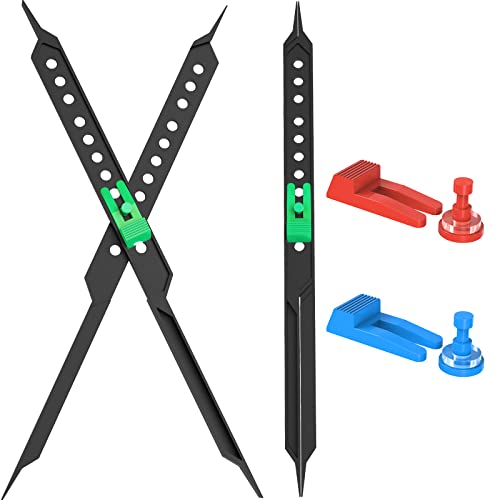
YARKOR 10 Inches Artist Proportional Scale Divider Drawing Tool (Black)
PROPORTIONAL SCALE DIVIDER: Proportional dividers allow architects and artists to transfer different measurements onto paper while keeping the…
As an affiliate, we earn on qualifying purchases.
As an affiliate, we earn on qualifying purchases.
Conclusion
By mastering financial planning and budgeting, you hold the power to turn your artistic dreams into reality. Think of your finances as the brushstrokes shaping your masterpiece—each decision adds color and depth to your journey. Don’t let uncertainty be the shadow that dims your passion; instead, let careful planning be the guiding light. Remember, your art is worth the investment—believe in your future, and watch your vision come to life.
Music Software Bundle for Recording, Editing, Beat Making & Production – DAW, VST Audio Plugins, Sounds for Mac & Windows PC
No Demos, No Subscriptions, it's All Yours for Life. Music Creator has all the tools you need to…
As an affiliate, we earn on qualifying purchases.
As an affiliate, we earn on qualifying purchases.

Management Consultant, The: Mastering the Art of Consultancy (Financial Times Series)
As an affiliate, we earn on qualifying purchases.
As an affiliate, we earn on qualifying purchases.