
Creating band-branded foods and beverages combines appealing recipes with strict regulations to protect consumers and boost brand loyalty. You’ll want to design products that reflect your band’s image while ensuring labels clearly display nutritional info, ingredients, and allergen warnings. Staying compliant with food safety standards and legal requirements is key. If you keep exploring, you’ll discover how to balance creative branding with necessary regulations for a successful product launch.
Key Takeaways
- Develop band-branded recipes that align with fan preferences while ensuring compliance with food safety standards.
- Incorporate band logos, colors, and imagery into food and beverage packaging for strong brand recognition.
- Include accurate, clear nutritional labels detailing ingredients, allergens, calories, and macronutrients.
- Follow legal regulations from food safety authorities to avoid labeling inaccuracies and product recalls.
- Regularly update recipes and labels to reflect ingredient changes, maintaining transparency and brand integrity.
Band-branded food and beverages have become a popular way for artists and music brands to connect with fans beyond the concert stage. This strategy leverages music branding to foster deeper loyalty and create a tangible connection between artists and their audiences. When fans see a favorite band’s logo on a snack or drink, it’s more than just a product—it’s a symbol of shared identity and community. But with this marketing approach comes the responsibility to adhere to food regulations, especially concerning nutritional labeling. Proper labeling isn’t just a legal requirement; it also builds trust with consumers by providing clear, accurate information about what they’re buying and consuming.
Band-branded products build fan loyalty but must follow food labeling rules to ensure trust and compliance.
As you develop band-branded products, you need to consider how nutritional labeling plays a vital role. Nutritional labels serve as a communication tool between you and your fans, helping them make informed choices. Whether you’re creating energy drinks, snacks, or bottled water, each product must include an easy-to-understand label detailing calories, macronutrients, vitamins, and other key ingredients. This transparency isn’t just about compliance; it’s about respecting your audience’s health and preferences. If your product contains allergens or additives, those details must be clearly indicated too. Overlooking these aspects could lead to legal issues or damage your reputation, especially in a market where health consciousness is rising.
Balancing creative branding with regulatory standards can seem challenging, but it’s essential. You want your product to stand out on shelves, yet you also need to meet the legal standards set by food safety authorities. Make sure your nutritional labeling is accurate and current, reflecting any recipe changes or ingredient substitutions. Using clear font, organized layout, and honest descriptions helps fans trust your brand. Remember, misleading labels can lead to penalties or recalls, so accuracy is key. Additionally, understanding food regulations can help you navigate the complexities of compliance and avoid potential legal pitfalls.
Incorporating music branding into food and beverage packaging also means designing labels that reflect your band’s identity. Use your logo, colors, and imagery consistently, but never sacrifice clarity. Fans should instantly recognize your product and understand what’s inside. By combining effective music branding with transparent nutritional labeling, you create a product that resonates emotionally and meets regulatory standards. This balance not only boosts your brand’s credibility but also enhances the overall fan experience, turning everyday items into meaningful extensions of your musical identity.
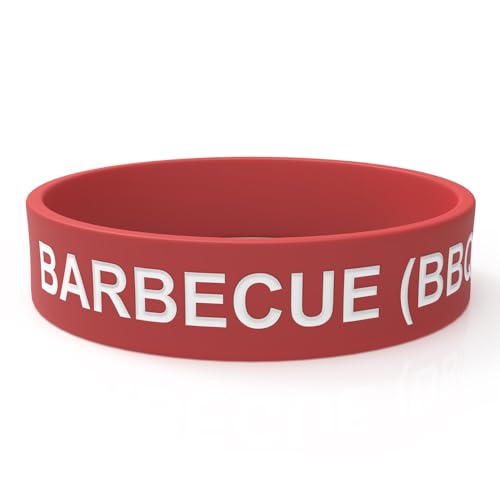
Rousse Bands Barbecue Sauce Label Band – Silicone Squeeze Bottle Label For 16oz, 20oz, 24oz, 32oz BBQ Squirt Bottle Containers – Printed, Colored Food Labels For Restaurant, Food Truck, Small Business
Durable & Flexible – Crafted from quality silicone, this BBQ sauce label band won’t easily rip or tear….
As an affiliate, we earn on qualifying purchases.
As an affiliate, we earn on qualifying purchases.
Frequently Asked Questions
How Do Brands Ensure Ingredient Safety in Their Branded Foods?
You guarantee ingredient safety by carefully managing ingredient sourcing, choosing reputable suppliers with strict safety standards. You also implement quality assurance processes, such as regular testing and inspections, to verify that ingredients meet safety regulations. By maintaining thorough documentation and staying updated on food safety regulations, you minimize risks and protect consumers, ensuring that every branded food product is safe and trustworthy.
What Are the Legal Implications of Unauthorized Use of Brand Names?
If you use a brand name without permission, you risk legal trouble due to trademark infringement, which can lead to lawsuits, fines, and damages. This unauthorized use violates the brand’s intellectual property rights and can harm its reputation. You should always seek permission or licensing before using a brand name to avoid costly legal implications and protect both your business and the original brand’s rights.
How Do Branding Changes Impact Existing Food Product Regulations?
A branding change can shake up your entire product lineup! When you update trademarks, you must also revisit packaging standards to stay compliant. These changes might seem small, but they can have massive regulatory impacts, requiring new approvals and label updates. Keep an eye on trademark updates and packaging standards to avoid costly legal pitfalls and guarantee your products continue to meet all food regulation requirements seamlessly.
Are There International Differences in Regulations for Branded Beverages?
Yes, there are international differences in regulations for branded beverages. You need to account for cross border labeling requirements and guarantee international compliance to avoid legal issues. Regulations vary on ingredient disclosure, health claims, and packaging standards, so you must adapt your branding and labeling strategies for each market. Staying informed about these differences helps you meet regulations and successfully expand your beverage brand across countries.
How Do Companies Protect Their Recipes From Imitation or Counterfeit?
You protect your recipes by relying on trade secret protection, keeping key ingredients and processes confidential, and limiting access. Additionally, you enforce trademarks to safeguard your brand identity, preventing counterfeiters from copying your product appearance or name. Regular monitoring helps catch imitation early, and legal actions like cease-and-desist letters or lawsuits reinforce your rights. Combining these strategies guarantees your recipes stay secure from imitation and uphold your brand’s integrity.

Complete Food Labeling Handbook: 21 CFR 101 and FDA Labeling Guide: A Comprehensive Reference for U.S. Food Labeling Regulations and Compliance Tools
As an affiliate, we earn on qualifying purchases.
As an affiliate, we earn on qualifying purchases.
Conclusion
As you explore band-branded foods and beverages, it’s fascinating how recipes and regulations often align in unexpected ways. Sometimes, a simple flavor choice can reflect a band’s unique identity, creating a coincidence that delights fans and regulators alike. By understanding these connections, you’ll appreciate the clever blend of branding and compliance. So next time you sip that drink or snack on that treat, remember—there’s a surprising harmony behind every product, just waiting to be discovered.

COACO Custom Food Wrap Paper | Personalize your restaurant/bakery packaging with premium, food-safe, deli sheets. Burger/sandwich wrap & basket liner, Print your brand (100 sheets, 12"x12")
✨ ELEVATE YOUR BRAND INSTANTLY: Turn every food item into a marketing opportunity with Custom Printed Food Wrap…
As an affiliate, we earn on qualifying purchases.
As an affiliate, we earn on qualifying purchases.

Allergen Allergy Warning Labels Sticker 2 Inch Fluorescent Red Adhesive Allergies Stickers Food Rotation Labels Food Allergy Warning Circle Dots Label for Grocery Stores,Food Packaging 500 Pcs
Allergen Warning Labels contains 9 common allergens: Dairy, Soy, Fish, Wheat, Eggs, Gluten, Shellfish, Peanuts, Treenuts and You…
As an affiliate, we earn on qualifying purchases.
As an affiliate, we earn on qualifying purchases.