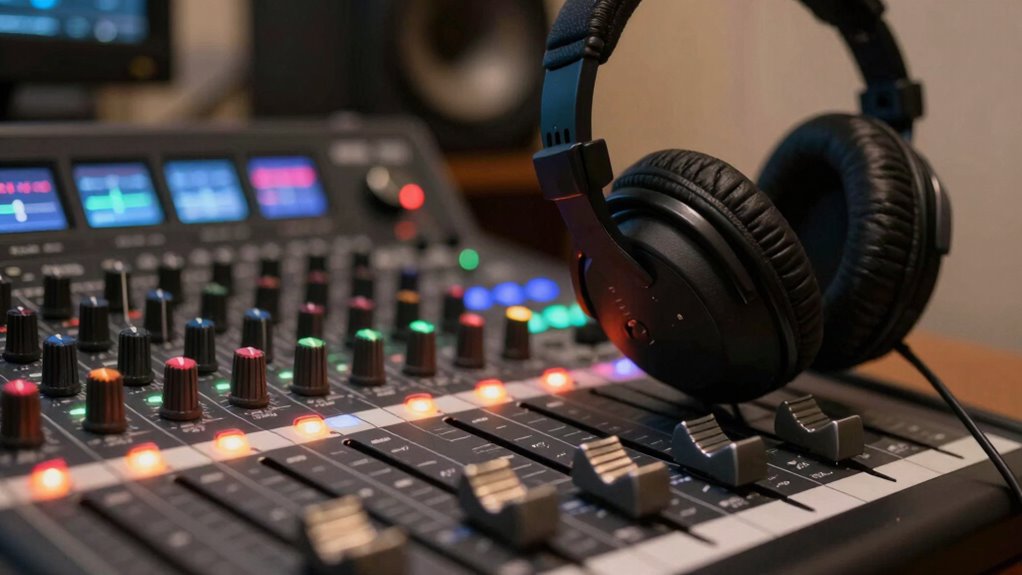

You might overuse stereo width by spreading sounds too widely, thinking it’ll make your mix sound more professional. Beginners often pan elements excessively, which can make your track feel disjointed or hollow. This overpanning reduces clarity and distracts from the main elements like vocals or bass. Instead of aiming for maximum width, focus on subtle panning and natural placement. If you want to release better stereo techniques, keep exploring these essential strategies.

Get audio and creator gear delivered free — and shop member deals
- Fast, free delivery on millions of items
- Access to Prime Big Deal Days deals on October 6–7
- Prime Video, Amazon Music and more included
Key Takeaways
- Amateur mixers often excessively pan instruments to extreme edges, creating a disjointed and unnatural stereo image.
- Overusing stereo width can cause mixes to sound hollow, reducing clarity and focus on main elements.
- Beginners mistakenly believe wider stereo spreads automatically improve professionalism, leading to over-application.
- Panning sounds too widely without balancing with center elements, disrupting the natural sense of space.
- Relying on extreme stereo effects instead of subtle, intentional panning diminishes overall cohesion and balance.
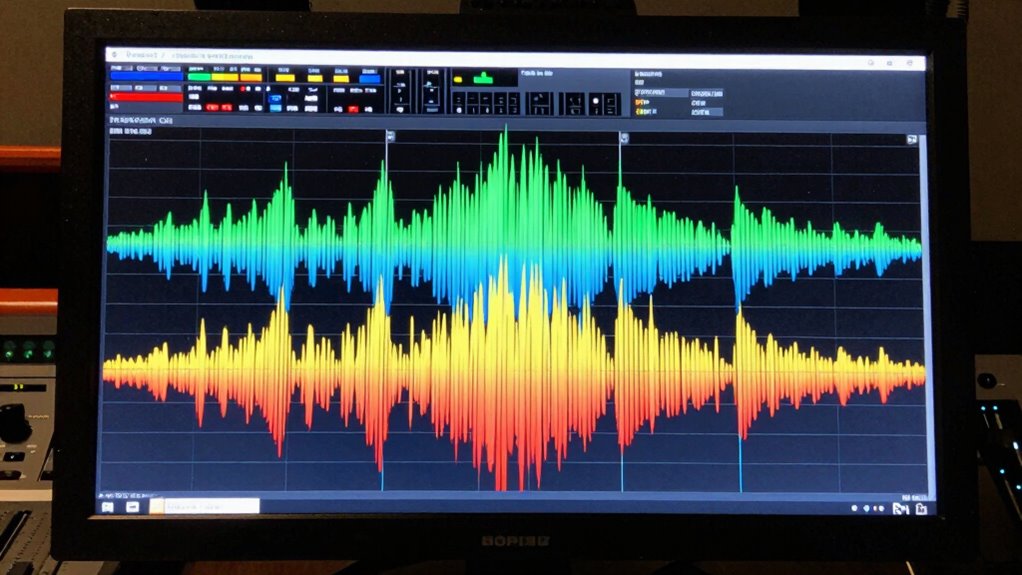
Achieving a good stereo width is a common challenge for amateur mixers, often leading to mixes that sound flat or unengaging. Many beginners believe that simply spreading sounds widely across the stereo field will make their mix sound bigger and more professional. But overusing stereo width can actually harm your mix’s clarity and coherence. It’s tempting to think that more is better, but the key lies in understanding panning techniques and how they influence spatial perception. When you pan instruments too aggressively or indiscriminately, you risk disrupting the natural sense of space and balance within your mix. Instead of creating a realistic stereo image, you may end up with a disjointed or exaggerated sound that distracts the listener.
Your goal should be to enhance the stereo image without sacrificing focus or clarity. Panning techniques matter here because they help you position sounds in a way that feels natural. For example, panning a guitar slightly to one side, rather than hard left or right, can add width without overwhelming the mix. Similarly, placing vocals and bass centrally anchors your track, giving it a solid foundation. When you over-pan or push elements too far to the edges, you distort the spatial perception, making your mix sound hollow or overly spread out. Additionally, natural limits of spatial perception should be kept in mind to avoid creating an unnatural stereo image. Incorporating spatial perception techniques can help you maintain a cohesive and immersive soundstage. Understanding the psychological effects of stereo imaging** can also guide you in creating a more balanced and engaging mix. Instead, aim for a balanced approach where width serves the music, not distracts from it. Subtle panning can create a sense of space** and dimension without sacrificing coherence.
It’s easy to get carried away with stereo imaging, especially when trying to make a mix sound “big.” But remember, stereo width isn’t just about spreading everything wide; it’s about carefully crafting the spatial perception so that each element has its proper place. When you overuse stereo width, you risk losing the focus of your mix. The vocals might become lost in the shuffle, or instruments could clash because they’re fighting for space. Additionally, understanding panning techniques and their impact on the overall sound can help you develop a more intentional and balanced approach. Developing a balanced stereo image is essential to maintaining clarity and ensuring each element resides where it should in the mix. Instead, think of width as a tool for highlighting key elements and creating depth, rather than an effect to be used excessively. By honing your panning techniques and respecting the natural limits of spatial perception, you’ll develop a more balanced, engaging stereo image that serves the song rather than overwhelms it.
studio monitor headphones for mixing
As an affiliate, we earn on qualifying purchases.
As an affiliate, we earn on qualifying purchases.
Frequently Asked Questions
How Does Stereo Width Affect the Overall Mix Clarity?
Stereo width directly impacts your mix clarity by influencing how elements are perceived spatially. Using panning techniques carefully helps you create a balanced stereo image, avoiding clutter and confusion. Remember, excessive widening can harm mono compatibility, causing sounds to disappear when played on mono systems. To keep your mix clear, maintain a thoughtful stereo spread and check your mix in mono regularly, ensuring all elements remain distinct and cohesive.
Can Excessive Stereo Width Cause Phase Cancellation Issues?
Excessive stereo width can cause phase cancellation issues, threatening mono compatibility and distorting spatial perception. When you widen your mix too much, certain elements may cancel each other out when played in mono, leading to a loss of clarity and depth. This imbalance affects how listeners perceive space, making your mix sound disjointed or hollow. To avoid this, keep stereo width balanced, ensuring your mix remains clear and mono-compatible.
What Tools Are Best for Controlling Stereo Width?
You need tools that help control stereo width without causing mono compatibility issues, or you’ll be chasing your tail. Use stereo imagers and wideners sparingly, and employ width automation to adjust the spread dynamically. Mid/side EQs are also handy for fine-tuning. These tools give you the finesse to keep your mix spacious yet focused, ensuring it sounds good on any system and avoids phase problems.
How Does Stereo Width Influence Listener Experience on Different Devices?
Stereo width greatly influences your listener’s experience across devices by affecting mono compatibility and spatial perception. On smartphones or single speakers, excessive width can cause phase issues, making sounds vanish or shift unpredictably. On high-end headphones or stereo systems, wider stereo images enhance immersion. You should balance stereo width carefully, ensuring sounds stay clear and cohesive across all devices, preserving the intended spatial perception without sacrificing mono compatibility.
Is There a Recommended Stereo Width Setting for Vocals?
For vocals, a natural stereo width usually works best, around 10-20% stereo enhancement. You want to maintain good vocal placement in the center, ensuring clarity and focus. Overdoing stereo width can make vocals sound distant or unfocused. Experiment with subtle adjustments, listening on various devices. Trust your ears — a slight width enhances space without sacrificing intimacy, keeping your vocals clear and well-placed in the mix.
As an affiliate, we earn on qualifying purchases.
Conclusion
So, next time you’re mixing, ask yourself: is that extra stereo width really adding to your track, or just cluttering it? Overusing stereo width can make your mix sound overly spacious or unfocused, distracting from the core elements. Remember, subtlety often beats excess. By dialing back and thoughtfully applying stereo width, you’ll create a clearer, more balanced mix that truly hits home. Isn’t quality more important than quantity in your sound?
As an affiliate, we earn on qualifying purchases.
As an affiliate, we earn on qualifying purchases.
Fall Picks
fall essentials
As an affiliate, we earn on qualifying purchases.