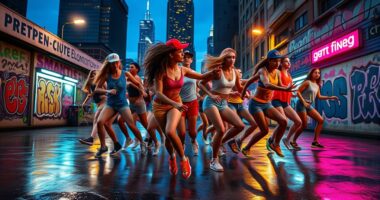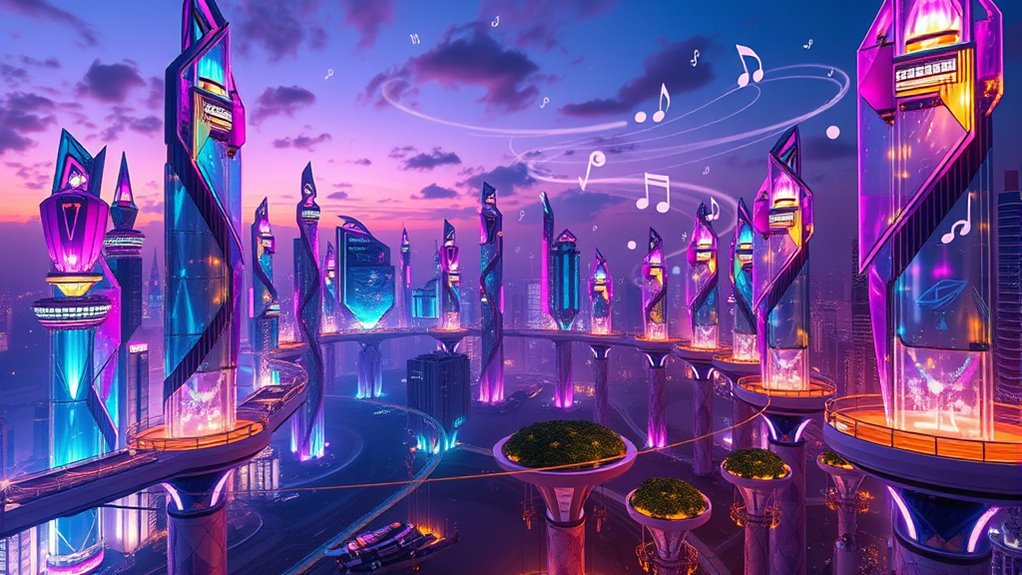

Imagine creating vibrant concept art that shapes the visual identity of future rhythm failure songs. You focus on natural elements, powerful color palettes, and compelling compositions to evoke emotions and tell a story. Your visuals serve as a bridge, connecting listeners to the song’s mood even before they hear a note. By understanding these artistic choices, you’ll discover how stunning imagery enhances musical storytelling—so continue exploring to learn more about designing immersive worlds.

Get audio and creator gear delivered free with Prime
- Fast, free delivery on millions of items
- Prime Video, Amazon Music and more included
- Member-only deals all year
Key Takeaways
- Concept art shapes the visual identity and mood, serving as a foundation for immersive storytelling in future rhythm failure songs.
- Incorporating natural elements enhances emotional depth and reinforces themes of serenity or connection to nature.
- Strategic color palettes define atmosphere, evoke emotions, and support narrative progression within visual compositions.
- Color and composition work together to highlight key elements, create tension or harmony, and guide audience perception.
- Visual storytelling aligns imagery with song emotions and narratives, fostering deeper engagement and imaginative connections.
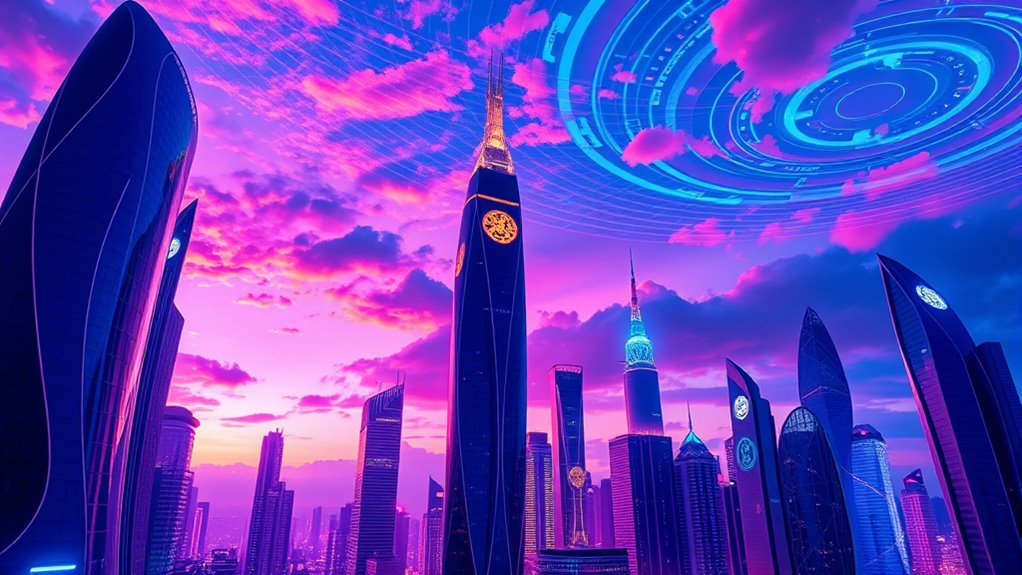
As the development of future Rhythm Failure songs progresses, concept art plays a critical role in shaping their visual identity and overall aesthetic. You’ll find that these visuals aren’t just about pretty pictures—they serve as a foundation for immersive storytelling and help convey the mood and themes of each track. Visual storytelling becomes your guiding principle, allowing you to translate musical ideas into engaging images that evoke emotion and set the tone. You need to think beyond simple representations; instead, focus on how every element, from character design to background landscapes, contributes to a larger narrative. These visuals act as a bridge, connecting listeners with the story behind the song even before they hit play. Incorporating natural elements into your art can also promote tranquility and deepen the emotional impact of the visuals. Color palettes are equally essential in this process. They help define the atmosphere and emotional resonance of each piece. When you select a color scheme, you’re not just choosing colors—you’re crafting an emotional language that complements the music. Bright, vibrant hues might evoke energy and excitement, while muted or darker tones could suggest mystery or introspection. Your choice of colors influences how viewers interpret the narrative and sets expectations for the audio experience. Carefully curated palettes can also establish consistency across different songs, creating a recognizable visual identity for the project. You’ll want to experiment with contrasting colors to highlight key elements or to create a visual rhythm that mirrors the song’s beat. For example, sharp reds and cool blues can generate tension or harmony within the artwork, reinforcing the song’s mood. Subtle shifts in color palettes can signal evolution in the story or reflect changes in tone. As you develop concept art, think about how these palettes interact with shapes, textures, and composition to produce a cohesive visual language that resonates with your audience. Furthermore, your ability to tell a compelling story through visuals relies on understanding the emotional impact of colors and imagery. When designing, ask yourself what feelings you want to evoke and how your color choices support that goal. This process helps make sure that every piece of concept art aligns with the song’s narrative arc. The interplay of visual storytelling and deliberate color palettes ultimately guides your audience into new worlds, making each Rhythm Failure song not only an auditory journey but a visual experience that sparks imagination and emotional connection.
As an affiliate, we earn on qualifying purchases.
Frequently Asked Questions
How Do Concept Art Styles Influence Song Themes?
Concept art styles shape your perception of song themes through visual storytelling, setting the mood and atmosphere. They guide your emotional response and help you connect with the music’s message. Maintaining stylistic consistency ensures that all visuals reinforce the core theme, creating a cohesive experience. When the art style aligns with the song’s message, it deepens your engagement and makes the overall experience more immersive and memorable.
What Tools Are Used to Create Futuristic Concept Art?
Think of futuristic concept art tools as your artistic spaceship. You’ll use digital painting to craft detailed, vibrant visuals and 3D modeling to create immersive, three-dimensional environments. Programs like Adobe Photoshop, Blender, and ZBrush are your cosmic companions, enabling you to design innovative worlds. These tools help you channel your imagination into striking visuals, making your concept art feel as real as a glimpse into the future.
How Does Concept Art Impact Listener Engagement?
Concept art impacts your listener engagement by enhancing visual storytelling and creating emotional resonance. When you visualize themes and moods through compelling images, it draws your audience into the music’s narrative. This emotional connection makes the experience more memorable and immersive. By pairing vivid visuals with the rhythm failure songs, you deepen the listener’s involvement, making them feel more connected to the story and the world you’re building.
Are There Recurring Motifs in Rhythm Failure Song Designs?
Yes, there are recurring motifs in rhythm failure song designs. You’ll notice sci-fi symbolism like futuristic machinery and digital elements, which emphasize a high-tech vibe. Color palette choices often include neon hues and metallic shades, creating a sense of energy and tension. These motifs help convey the themes of technological chaos and emotional dissonance, making the visuals more compelling and aligning them with the intense, futuristic soundscape of the songs.
How Do Concept Art Ideas Evolve During Development?
You see, concept art ideas evolve through a dynamic process where visual storytelling takes center stage. As you collaborate artistically, initial sketches spark feedback, inspiring refinements and bold new directions. The tension between creative vision and practical constraints pushes designs forward, revealing hidden potential. This ongoing exchange fuels innovation, transforming rough concepts into compelling visuals that capture the essence of future rhythm failure songs, all driven by your collaborative passion.
digital painting software for artists
As an affiliate, we earn on qualifying purchases.
As an affiliate, we earn on qualifying purchases.
Conclusion
As you step into these vibrant worlds, imagine each stroke of concept art as a heartbeat, pulsing with endless possibilities. The future of Rhythm Failure songs becomes a canvas where your imagination takes flight, painting melodies that echo through uncharted domains. Embrace this visual symphony, where every line and color whispers secrets of tomorrow’s music. Together, you and these artworks ignite a universe alive with rhythm, waiting to be discovered and danced within.
As an affiliate, we earn on qualifying purchases.
As an affiliate, we earn on qualifying purchases.
Halloween Picks
halloween
As an affiliate, we earn on qualifying purchases.