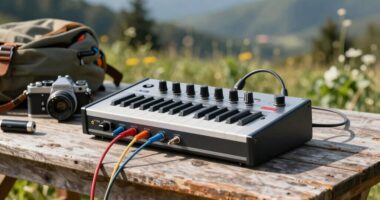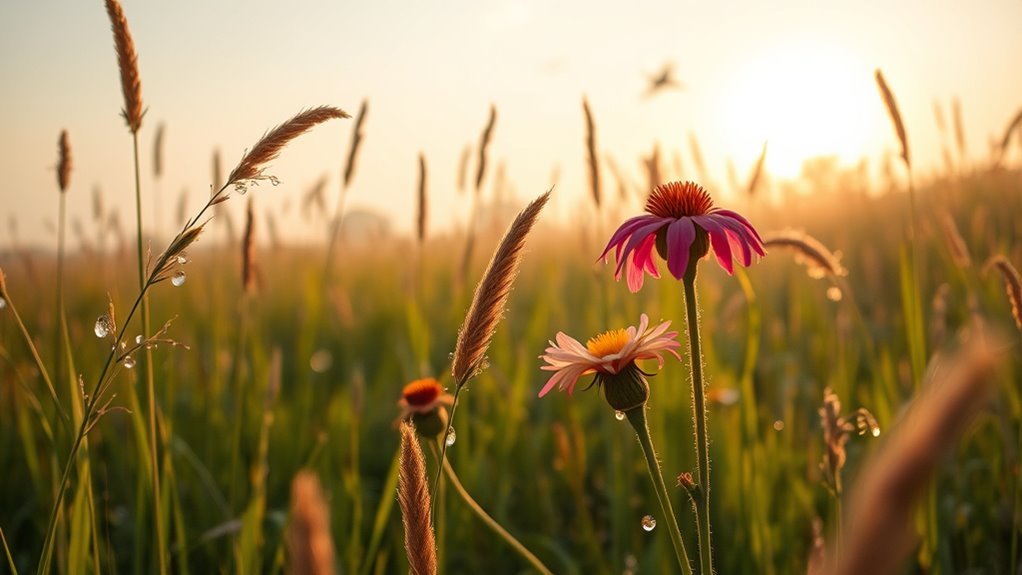

To capture unique sounds for your tracks, use quality microphones and consider stereo or binaural setups to mimic natural perception. Explore different environments—urban, rural, or natural—to find textures that add depth and authenticity. Pay attention to your surroundings to minimize noise and edit recordings as needed. Authentic field recordings can enrich your projects with atmospheric textures and emotional depth. Keep exploring, and you’ll discover how harnessing real-world sounds can transform your music or sound design.

Get audio and creator gear delivered free — and shop member deals
- Fast, free delivery on millions of items
- Access to Prime Big Deal Days deals on October 6–7
- Prime Video, Amazon Music and more included
Key Takeaways
- Use quality microphones, such as stereo or binaural, to accurately capture environmental textures.
- Choose diverse environments—urban, rural, natural—to discover unique and compelling sounds.
- Minimize background noise and wind interference through proper placement and filtering techniques.
- Record with purpose, focusing on textures that add realism and emotional depth to your tracks.
- Edit and process recordings to enhance clarity and integrate authentic soundscapes seamlessly into your projects.
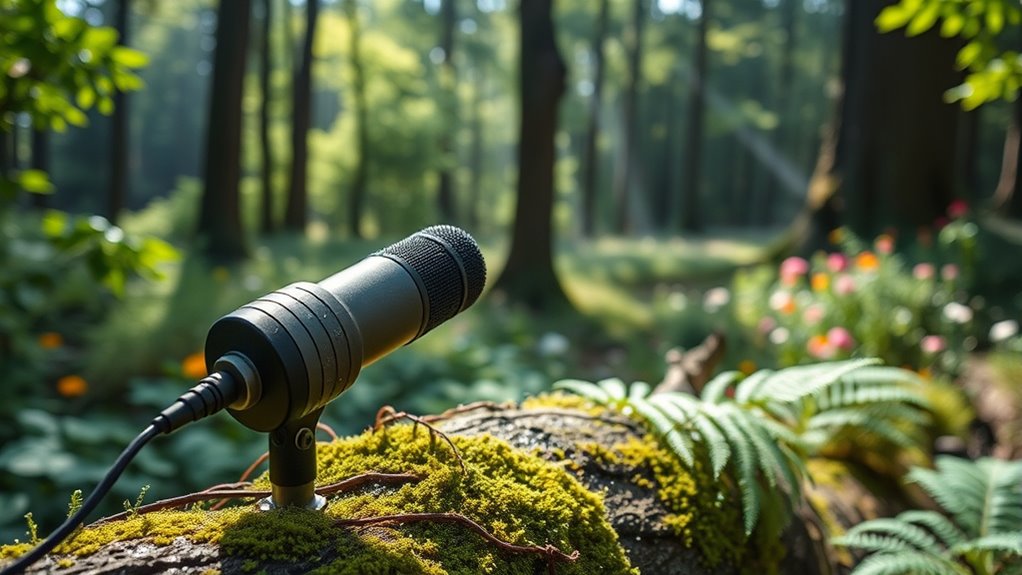
Have you ever wondered how capturing the sounds of the natural world can inspire music, film, or research? Field recording opens a doorway to this world, allowing you to collect authentic audio that can add depth and atmosphere to your projects. When you venture into different environments, you’re not just recording sounds—you’re capturing ambient textures that evoke emotions and set moods. These textures can be subtle or dramatic, creating immersive soundscapes that draw your audience in. Whether it’s the gentle rustling of leaves or the distant hum of city life, these elements become building blocks for your creative work.
Capturing ambient textures from diverse environments enriches your creative projects with authentic soundscapes and emotional depth.
Urban soundscapes are a prime example of how diverse and rich field recordings can be. The sounds of a bustling city—honking cars, chattering pedestrians, sirens—offer a tapestry of auditory details that can enhance various media. Incorporating urban soundscapes into your projects gives them a sense of place and authenticity. You might use these recordings as background layers in a film to establish a city environment or to add a gritty, real-world feel to an electronic track. The key is to listen carefully and identify sounds that resonate with your vision, then record them with clarity and purpose.
When you’re out in the field, your goal is to capture sounds with as much fidelity as possible. Use a good-quality microphone and pay attention to your surroundings. Sometimes, a simple handheld recorder will do, but for more nuanced ambient textures, consider using stereo or binaural mics that can replicate how humans perceive sound. Be mindful of background noise, wind, and other disturbances that can muddy your recordings. You can always filter or edit these out later, but starting with a clean recording makes a big difference.
Field recording isn’t just about collecting sounds; it’s about discovering new sonic worlds. As you explore different environments—urban, rural, natural—you’ll develop an ear for unique textures that can transform your creative projects. These recordings become more than just background noise; they’re elements that add realism, atmosphere, and emotional depth. Whether you’re creating soundtracks, film scores, or sound design elements, capturing the authentic sounds of your surroundings allows you to craft more compelling and evocative work.
Ultimately, field recording is a versatile tool that invites you to listen more intently and appreciate the sonic nuances around you. Every environment has its own story told through sound, and by capturing these moments, you enrich your artistic palette with authentic, inspiring textures. Developing a Cultural Intelligence about different soundscapes can help you better understand the context and significance of various noises, enhancing your ability to use them effectively in your projects.
As an affiliate, we earn on qualifying purchases.
Frequently Asked Questions
What Equipment Is Best for Beginner Field Recording?
For beginner field recording, you should start with equipment essentials like a portable recorder and a good microphone. Budget options such as the Zoom H1n or Tascam DR-05 are excellent choices, offering quality sound without breaking the bank. Make sure to also get windshields and headphones for monitoring. With this gear, you’ll easily capture unique sounds and improve your recordings as you learn.
How Do I Prevent Unwanted Background Noise?
Think of your microphone as a delicate sponge soaking up only the sounds you want. To prevent unwanted background noise, use soundproofing techniques like foam panels or windshields, and noise reduction tools such as filters or directional mics. Position yourself carefully, away from noise sources, and set up barriers if needed. With these steps, you’ll keep your recordings clean and clear, letting your unique sounds shine through.
When Is the Best Time of Day to Record Sounds?
The best time of day to record sounds is during early morning or late evening when ambient noise is minimal. Ideal timing often means avoiding midday when traffic and crowds peak. For capturing natural sounds, aim for calm periods with gentle lighting conditions, which also help prevent unwanted background noise. By choosing these times, you guarantee clearer recordings and better sound quality for your tracks.
How Can I Protect My Gear in Harsh Weather?
To safeguard your gear in harsh weather, weatherproofing gear is essential. Use waterproof covers or rain shields to keep your equipment dry, and consider silica gel packs or desiccants for gear storage to prevent moisture buildup. Always store your gear in a sealed, weather-resistant container when not in use. These steps ensure your equipment stays safe, functional, and ready for your next recording session, no matter the weather conditions.
Are There Legal Considerations for Recording in Public Spaces?
When recording in public spaces, you need to consider privacy concerns and permission requirements. Always be aware that people have a right to privacy, so avoid capturing conversations or private moments without consent. Obtain permission if you’re recording in restricted areas or if your recordings could infringe on someone’s privacy. Respect local laws and regulations to avoid legal issues and ensure your field recordings are ethical and lawful.
high quality portable microphone for field recording
As an affiliate, we earn on qualifying purchases.
As an affiliate, we earn on qualifying purchases.
Conclusion
Now that you’ve uncovered the magic of field recording, your tracks will become vibrant tapestries woven with the world’s hidden melodies. Each sound you capture is like a whisper from the universe, waiting to breathe life into your music. Embrace these sonic treasures with passion and curiosity, and watch as your creations dance with the soul of the earth itself. Let your ears be the compass, guiding you to reveal the poetry in every fleeting moment.
environmental sound recording kit
As an affiliate, we earn on qualifying purchases.
As an affiliate, we earn on qualifying purchases.
As an affiliate, we earn on qualifying purchases.
Fall Picks
fall essentials
As an affiliate, we earn on qualifying purchases.