
To effectively value and preserve signed memorabilia, start by verifying authenticity through expert appraisals, provenance, and forensic analysis. Proper display is vital—use UV-protected cases, acid-free mats, and keep environmental conditions stable. Handle items with gloves and minimize handling to prevent damage. Good preservation techniques extend longevity, while adding labels or context enhances display appeal. Mastering these steps helps protect your collection’s value; continue exploring for more expert tips and tricks.

Get audio and creator gear delivered free with Prime
- Fast, free delivery on millions of items
- Prime Video, Amazon Music and more included
- Member-only deals all year
Key Takeaways
- Verify authenticity through provenance, expert appraisal, and forensic analysis to ensure the memorabilia’s value.
- Use proper display techniques, such as UV-protected glass and acid-free materials, to preserve the item’s condition.
- Implement security measures like locked display cases and gloves to prevent damage and theft.
- Maintain stable environmental conditions, including temperature and humidity, to extend the memorabilia’s longevity.
- Enhance presentation with descriptive labels and contextual elements to boost perceived value and viewer appreciation.
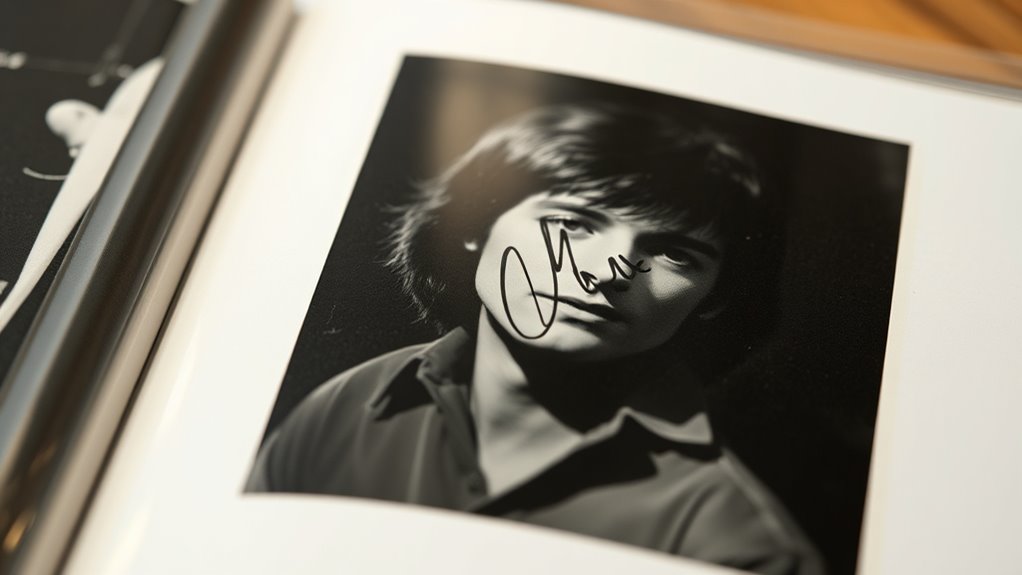
Signed memorabilia holds a special appeal for collectors and fans alike, offering a tangible connection to their favorite stars, athletes, or moments in history. When you acquire a signed item, guaranteeing its authenticity becomes your top priority. Authentication methods are essential in verifying that the signature is genuine, protecting you from counterfeit or misrepresented pieces. Techniques like provenance documentation, certificates of authenticity, and expert appraisals help establish credibility. Some collectors also consider using non-invasive forensic analysis, such as examining ink, paper aging, and signature consistency, to confirm authenticity. By thoroughly verifying your memorabilia, you safeguard your investment and maintain its value.
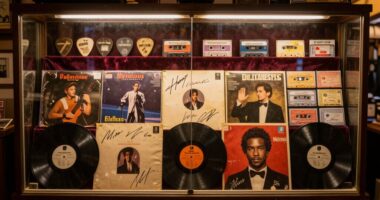
Once you’ve confirmed its authenticity, the next step is to contemplate how you display your signed memorabilia. Proper display techniques not only showcase your collection but also preserve its condition over time. You should avoid exposing your items to direct sunlight, which can cause fading or discoloration of signatures and materials. Instead, opt for UV-protected glass or acrylic cases to shield your memorabilia from harmful light and environmental damage. When choosing display options, think about the environment—maintaining a stable temperature and humidity level prevents warping or deterioration. For paper-based signatures, acid-free mats and backing boards are advisable to prevent yellowing and acid damage.
Proper display methods protect signed memorabilia from sunlight, environmental damage, and deterioration.
Incorporating secure display techniques can also deter theft or tampering. Using museum-quality display cases with locks adds an extra layer of security. Position your memorabilia in a way that minimizes handling; the less you touch the item, the better its preservation. If you plan to rotate your display, always handle items with gloves, and store them properly when not on view. Consider framing signed photos or posters with archival-quality materials that protect against dust, pollutants, and physical wear. Additionally, understanding the importance of proper preservation techniques can extend the longevity of your collection.
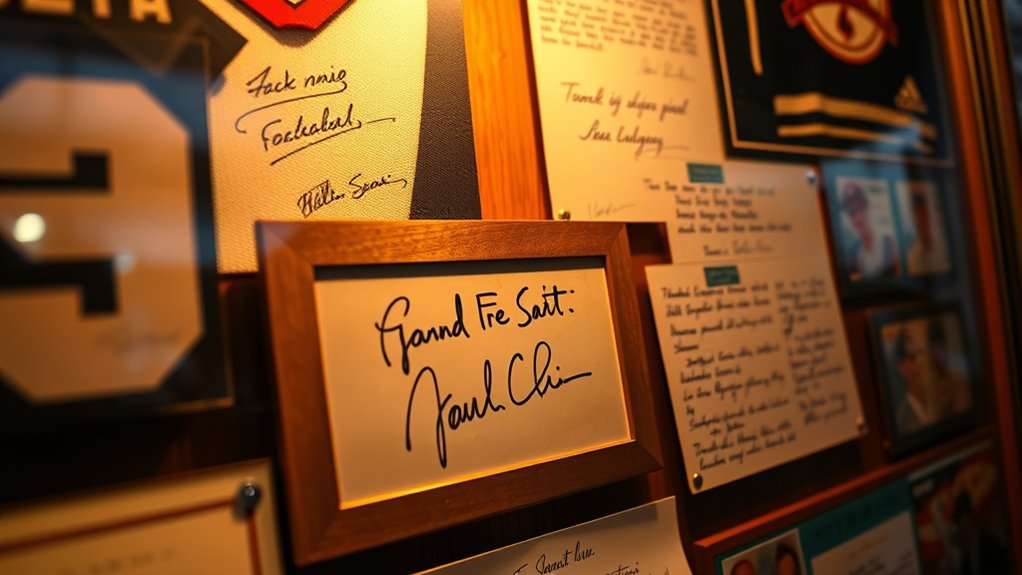
You might also want to think about contextual display elements—adding plaques or descriptive labels can enhance the viewing experience and provide context, especially for valuable or historic items. When arranging multiple pieces, create a cohesive display that balances aesthetics with preservation. Remember, the way you display your signed memorabilia impacts not only its appearance but also its longevity. By combining proper authentication methods with thoughtful display techniques, you guarantee your collection remains in excellent condition, retains its value, and continues to inspire admiration for years to come.
UV protected display case for signed memorabilia
As an affiliate, we earn on qualifying purchases.
As an affiliate, we earn on qualifying purchases.
Frequently Asked Questions
How Can I Verify the Authenticity of Signed Memorabilia?
To verify the authenticity of signed memorabilia, you should use reliable authentication methods like expert appraisals or certification services. Always check for provenance documentation, which provides a paper trail of the item’s history. Be cautious of forgeries by comparing signatures with verified examples and examining the item’s quality. Combining professional authentication methods with detailed provenance guarantees you confidently confirm the item’s authenticity before buying or selling.
What Are Common Signs of a Forgery?
You can spot a forgery by paying close attention to signs like inconsistent handwriting, unusual ink, or poor placement. During autograph authentication, look for discrepancies in style or signature flow. Provenance research helps verify the item’s history, confirming its legitimacy. Trust reputable sources and experts to help distinguish genuine autographs from forgeries, ensuring your memorabilia retains its value and authenticity.
How Should I Store Signed Items to Prevent Damage?
Think of your signed memorabilia as delicate butterflies needing a gentle cocoon. You should store them in a cool, dry place, away from direct sunlight and humidity. Proper storage involves using acid-free sleeves or frames, and environmental controls like stable temperature and low light preserve their vibrancy. Keep them in a secure, dust-free environment to prevent damage, ensuring your treasures remain pristine and valuable for years to come.
Are There Specific Insurance Options for Signed Collectibles?
You should consider specialty insurance for your signed collectibles, as it offers tailored coverage designed specifically for valuable memorabilia. Many providers offer collectible coverage that protects against damage, theft, or loss, giving you peace of mind. It’s wise to compare policies and verify your signed items are adequately insured, especially if they hold significant value. Specialty insurance helps preserve your collection’s worth and provides reassurance in case of unforeseen events.
How Do Market Trends Affect the Value of Signed Memorabilia?
Market fluctuations and collector preferences directly influence the value of signed memorabilia. When trends shift or certain items become more desirable, prices can rise or fall quickly. You need to stay informed about current collector interests and market trends, as these factors can impact your item’s worth. By monitoring these trends, you can better decide when to buy, sell, or insure your collectibles for maximum value.
acid-free photo mats for collectibles
As an affiliate, we earn on qualifying purchases.
As an affiliate, we earn on qualifying purchases.
Conclusion
So, next time you flaunt that signed jersey or vintage baseball, remember—you’re not just displaying a piece of history, you’re playing curator, therapist, and treasure hunter all at once. Handle with care, cherish with flair, and maybe keep a little humor handy when Aunt Martha accidentally spills coffee on your prized autograph. Because in the end, preserving your memorabilia isn’t just about value—it’s about keeping those moments alive, even if they come with a few coffee stains.
As an affiliate, we earn on qualifying purchases.
archival quality framing for signed photos
As an affiliate, we earn on qualifying purchases.
As an affiliate, we earn on qualifying purchases.
Halloween Picks
halloween
As an affiliate, we earn on qualifying purchases.