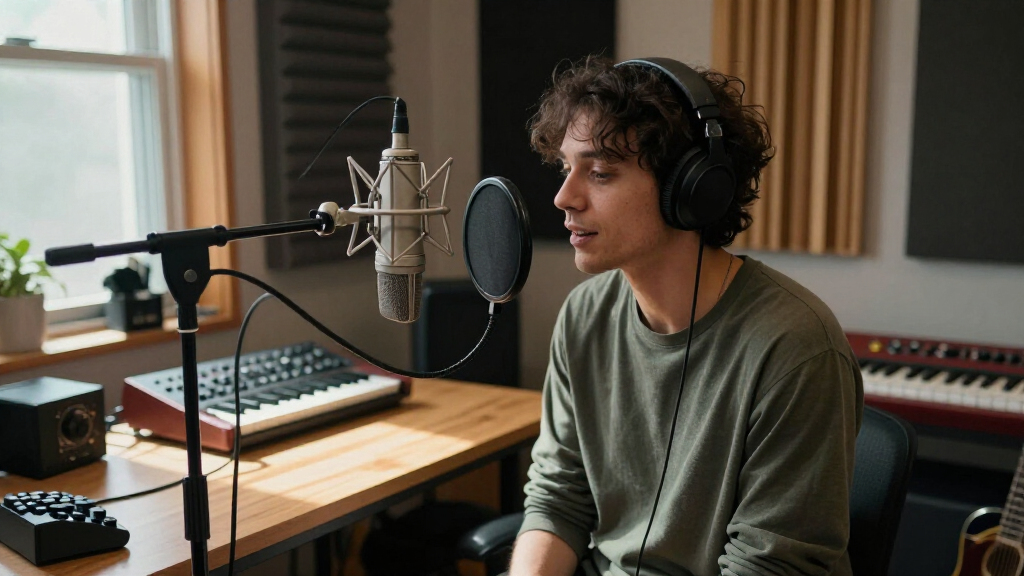

Studio condenser microphones are essential tools for capturing high-quality vocals and instruments in professional and home recording setups. The best options offer clarity, low noise, and durability, but they vary significantly in price and features. The RØDE NT1 Signature Series stands out as the overall top pick for its exceptional sound and build quality, while models like the Blue Blackout Spark SL excel for streaming, and the FIFINE T669 provides great value for beginners. Buyers often face tradeoffs between price, versatility, and ease of use. Continue reading for a detailed breakdown of the top microphones and what makes each unique.

Get audio and creator gear delivered free — and shop member deals
- Fast, free delivery on millions of items
- Access to Prime Big Deal Days deals on October 6–7
- Prime Video, Amazon Music and more included
Complete the kit

Key Takeaways
- The top picks balance sound quality with ease of use, making them suitable for both professionals and hobbyists.
- XLR microphones generally deliver better sound fidelity and flexibility compared to USB options, but they require additional equipment.
- Budget-friendly models like FIFINE T669 and K669B provide surprising quality for beginners or casual users who want simplicity.
- Premium options like the RØDE NT1 Signature Series emphasize durability and studio-grade sound, justifying higher costs.
- Choosing the right microphone depends heavily on your specific use case—whether streaming, podcasting, or studio recording—and your technical setup.
| RØDE NT1 Signature Series Studio Condenser Microphone, Red |  | Best Overall Studio Condenser Microphone | Type: Condenser Microphone | Diaphragm Size: Large | Polar Pattern: Cardioid | VIEW LATEST PRICE | See Our Full Breakdown |
| Blue Blackout Spark SL XLR Condenser Microphone for Recording, Streaming, Podcasting, Gaming |  | Best Versatile XLR Condenser Mic | Capsule Type: Large-diaphragm cardioid | Connection: XLR | High-pass filter: 100Hz | VIEW LATEST PRICE | See Our Full Breakdown |
| FIFINE T669 Studio Condenser USB Microphone for Recording and Podcasting |  | Best Budget USB Microphone for Beginners | Connection: USB | Frequency Response: Wide | Polar Pattern: Cardioid | VIEW LATEST PRICE | See Our Full Breakdown |
| Audio-Technica AT2035 Cardioid Condenser Microphone with Shock Mount |  | Best for Professional Studio and Streaming | Polar Pattern: Cardioid | Diaphragm: Large | High Pass Filter: Switchable 80 Hz | VIEW LATEST PRICE | See Our Full Breakdown |
| Melon Audio MA-87 Studio Condenser Microphone, 26mm Gold Large Diaphragm Capsule, Includes Foam Filter, Metal Shock Mount, XLR Cable, and Mic Bag |  | Best for Vocalists and Podcasting with Included Accessories | Capsule Size: 26mm | Diaphragm Type: Large | Color: Gold | VIEW LATEST PRICE | See Our Full Breakdown |
| MAONO PM320S Condenser PC Microphone with XLR Cable, Boom Arm, Pop Filter |  | Best Overall Studio Condenser Microphone | Power Requirement: 48V phantom power | Capsule Size: 16mm | Polar Pattern: Cardioid | VIEW LATEST PRICE | See Our Full Breakdown |
| Logitech Blue Yeti USB Microphone for PC, Mac, Gaming, Recording, Streaming, Podcasting, Studio and Computer Condenser Mic with Blue VO!CE Effects, 4 Pickup Patterns, Plug and Play – Blackout |  | Best for Versatile Content Creation and Streaming | Pickup Patterns: Cardioid, Omni, Bidirectional, Stereo | Connectivity: USB | Software: Blue VO!CE | VIEW LATEST PRICE | See Our Full Breakdown |
| XLR Condenser Microphone with Desktop Stand for Vocals and Podcasting |  | Best Budget XLR Microphone for Beginners | Type: Condenser Microphone | Connectivity: XLR | Power Requirement: 48V phantom power | VIEW LATEST PRICE | See Our Full Breakdown |
| RØDE NT1 Signature Series Studio Condenser Microphone, Black |  | Best for Professional Vocal Recording and Streaming | Type: Condenser Microphone | Color: Black | Pattern: Cardioid | VIEW LATEST PRICE | See Our Full Breakdown |
| FIFINE K669B USB Microphone, Condenser Recording Mic for Vocals, Meetings |  | Best Budget USB Microphone for Easy Setup | Connectivity Technology: USB | Connector Type: USB Type-A, USB Type-C | Special Feature: 6.5ft USB-B to USB-A/C cable, desktop stand, volume control | VIEW LATEST PRICE | See Our Full Breakdown |
| Mackie EM-Series Large-Diaphragm Condenser Microphone (EM-91C) |  | Best Budget-Friendly Professional-Quality Microphone | Type: Condenser Microphone | Polar Pattern: Cardioid | Includes: Shock mount, XLR cable | VIEW LATEST PRICE | See Our Full Breakdown |
| Audio-Technica AT2020 Cardioid Condenser Studio XLR Microphone |  | Best for Versatile Project and Home Studio Use | Polar Pattern: Cardioid | Output Connector: 3-pin XLRM | Frequency Response: Extended | VIEW LATEST PRICE | See Our Full Breakdown |
| RØDE NT1 5th Gen Studio Condenser Microphone, XLR + USB-C, Silver |  | Best for Users Needing Dual Connection Flexibility and Low Noise | Connectivity: XLR and USB-C | Frequency Response: up to 192kHz | Self-noise: Ultra-low | VIEW LATEST PRICE | See Our Full Breakdown |
| AKG Pro Audio P120 Condenser Microphone |  | Best Budget Microphone for High SPL and Basic Studio Use | Polar Pattern: Cardioid | Frequency Bandwidth: 20 – 20000 Hz | Max SPL: 150 dB | VIEW LATEST PRICE | See Our Full Breakdown |
| MAONO A04 Gen2 XLR/USB Condenser Microphone Kit for PC and Podcast Recording |  | Best Complete Kit for Versatile Content Creation and Podcasting | Connectivity: XLR and USB | Sampling Rate: 192kHz/24bit | Included Accessories: Pop filter, shock mount, boom arm | VIEW LATEST PRICE | See Our Full Breakdown |
More Details on Our Top Picks
RØDE NT1 Signature Series Studio Condenser Microphone, Red
The RØDE NT1 Signature Series stands out for its ultra-low noise floor of just 4dBA, making it ideal for capturing vocals and acoustic instruments with exceptional clarity. Compared to the Blue Blackout Spark SL, it offers superior noise performance, though at a higher price point and with an XLR-only setup. Its large 1-inch capsule ensures detailed sound reproduction, and the included shock mount and pop filter add value for professional recordings. Tradeoffs include the need for an audio interface, which adds to the overall cost and complexity. This mic is perfect for those seeking pristine audio quality in a dedicated studio environment, willing to invest in high-end equipment.
Pros:- Exceptional low noise floor for pristine recordings
- High sensitivity and SPL handling for versatile use
- Includes premium accessories like shock mount and pop filter
Cons:- Requires XLR connection and audio interface, increasing setup complexity
- Higher cost compared to entry-level options
Best for: Professional musicians and vocalists who prioritize ultra-low noise levels and high fidelity recordings.
Not ideal for: Beginners or hobbyists on a tight budget who prefer USB microphones for plug-and-play simplicity.
- Type:Condenser Microphone
- Diaphragm Size:Large
- Polar Pattern:Cardioid
- Capsule Size:1 inch
- Noise Level:4dBA
- Included Accessories:Shock mount, pop filter, XLR cable
- Warranty:10 years
- Made in:Sydney, Australia
Our verdict“This microphone suits professionals seeking top-tier sound quality and who are prepared for a more complex setup.”
Blue Blackout Spark SL XLR Condenser Microphone for Recording, Streaming, Podcasting, Gaming
The Blue Blackout Spark SL excels in delivering clear, natural sound with its large-diaphragm cardioid capsule, making it suitable for professional vocal and music recordings. Unlike the RØDE NT1, it offers versatile options like a high-pass filter and -20dB pad, which help tailor the sound and reduce noise in challenging environments. Its electronics, based on a Class-A JFET, ensure high-quality audio output. However, being an XLR-only device, it demands an audio interface, adding to the setup’s complexity and cost. Its somewhat bulky design may be less portable for mobile recording. This mic is a strong choice for streamers and home studio owners wanting flexibility and natural sound without sacrificing quality.
Pros:- Delivers natural, clear sound suitable for professional use
- Versatile features like high-pass filter and pad improve sound control
- Easy to integrate with existing audio gear
Cons:- Requires additional equipment like an audio interface
- Design may be bulky for portable setups
Best for: Streamers and musicians who value sound customization and already own or plan to purchase an audio interface.
Not ideal for: Beginners or on-the-go content creators who prefer USB microphones for simplicity.
- Capsule Type:Large-diaphragm cardioid
- Connection:XLR
- High-pass filter:100Hz
- -20dB pad:Yes
- Electronics:Class-A JFET
Our verdict“Ideal for users seeking a flexible, high-quality condenser microphone with professional features and existing audio gear.”
FIFINE T669 Studio Condenser USB Microphone for Recording and Podcasting
The FIFINE T669 is a popular choice for newcomers thanks to its straightforward USB connection, making setup effortless without extra equipment. While it can’t match the ultra-low noise of the RØDE NT1, it offers a wide frequency response and decent noise reduction suitable for podcasts and home recordings. The included boom arm, shock mount, and pop filter make it a comprehensive kit for immediate use. Compared with USB-only models like the Blue Yeti, the T669 provides a more durable build and better sound quality for its price. The tradeoff is limited compatibility—it’s not compatible with gaming consoles like Xbox, and it requires desktop space for the arm. This model is perfect for beginners who want a simple, affordable setup that still sounds professional.
Pros:- Simple plug-and-play USB connection
- Includes comprehensive accessories for quick setup
- Good sound quality for entry-level recording
Cons:- Limited to PC and laptop use, not compatible with Xbox
- Requires space for the included boom arm
Best for: Beginners and hobbyists starting a home studio, especially those focused on podcasting and voice recording.
Not ideal for: Advanced users or those needing a portable or multi-platform setup, such as Xbox gaming or mobile recording.
- Connection:USB
- Frequency Response:Wide
- Polar Pattern:Cardioid
- Included Accessories:Boom arm, pop filter, shock mount, USB cable
- Compatibility:PC, Laptop
Our verdict“This microphone offers a straightforward, budget-friendly option for beginners aiming for decent sound quality with minimal hassle.”
Audio-Technica AT2035 Cardioid Condenser Microphone with Shock Mount
The Audio-Technica AT2035 offers a balanced blend of natural sound and professional features, making it a strong alternative to the RØDE NT1. Its large diaphragm captures detailed vocals and instruments, with a switchable 80Hz high-pass filter and -10dB pad to tailor recordings. Unlike the Blue Blackout Spark SL, which emphasizes sound versatility, the AT2035 focuses on delivering studio-quality audio with excellent noise rejection thanks to its cardioid pattern and custom shock mount. However, it’s an XLR-only device, requiring an audio interface, and is priced higher than entry-level models. This mic is best suited to serious home studio users and streamers who want high quality but are prepared to invest in additional equipment.
Pros:- Excellent, natural sound reproduction
- Includes a custom shock mount for superior isolation
- Switchable high-pass filter and pad for versatile use
Cons:- Requires XLR connection and audio interface
- Higher price compared to entry-level mics
Best for: Serious hobbyists and semi-professionals seeking studio-grade sound for streaming and recording.
Not ideal for: Casual users or those without existing audio interfaces, who might find the price and setup burdensome.
- Polar Pattern:Cardioid
- Diaphragm:Large
- High Pass Filter:Switchable 80 Hz
- Pad:10 dB
- Output:XLR
Our verdict“This mic is a top choice for those who prioritize natural, high-quality sound and already have or plan to get an audio interface.”
Melon Audio MA-87 Studio Condenser Microphone, 26mm Gold Large Diaphragm Capsule, Includes Foam Filter, Metal Shock Mount, XLR Cable, and Mic Bag
The Melon Audio MA-87 features a 26mm large diaphragm capsule designed to produce balanced, full-bodied sound tailored for singing, voiceovers, and podcasting. Compared to the RØDE NT1, it offers a more affordable entry point but still requires a 48V phantom power source. Its included accessories—foam filter, shock mount, XLR cable, and mic bag—make it ready for immediate studio use. While it delivers a warm, natural tone suitable for vocals, it might be more sensitive to ambient noise without additional sound treatment. The absence of adjustable polar patterns limits its flexibility for multi-source setups. This microphone is ideal for home studio singers and podcasters who want a professional look and feel without high-end price tags.
Pros:- Produces natural, balanced vocal sound
- Includes comprehensive accessories for immediate recording
- Durable metal construction
Cons:- Requires 48V phantom power, needing an audio interface
- Limited polar pattern options, less flexible for multi-source use
Best for: Vocalists and podcasters seeking a balanced, full sound with essential accessories included.
Not ideal for: Users needing multiple polar patterns or working in noisy environments without proper sound treatment.
- Capsule Size:26mm
- Diaphragm Type:Large
- Color:Gold
- Includes:Foam filter, shock mount, XLR cable, mic bag
- Power Requirement:48V phantom power
Our verdict“This microphone offers a professional appearance and solid vocal performance for home studio users focused on singing and podcasting.”
MAONO PM320S Condenser PC Microphone with XLR Cable, Boom Arm, Pop Filter
The MAONO PM320S stands out for delivering professional studio-grade sound quality thanks to its large 16mm condenser capsule and cardioid pattern, which provides excellent noise rejection. Its all-in-one kit includes a boom arm, shock mount, and pop filter, making setup straightforward for serious content creators. Compared with the RØDE NT1, the PM320S offers more comprehensive accessories for a complete setup but requires a 48V phantom power supply and only supports XLR connections, limiting flexibility for casual or mobile users. This model is ideal for those who want a dedicated studio microphone with minimal external gear fuss but are prepared to handle an external power source. It’s less suited for beginners or those seeking USB convenience without additional equipment.
- Studio-grade sound quality with a large condenser capsule
- All-in-one kit with essential accessories
- Effective noise rejection and vibration damping
- Requires external phantom power supply
- Limited to XLR connection, not USB
- Power Requirement:48V phantom power
- Capsule Size:16mm
- Polar Pattern:Cardioid
- Included Accessories:XLR cable, boom arm, shock mount, pop filter, windscreen, user manual
Our verdict“Best Overall Studio Condenser Microphone — a strong pick in this lineup.”
Logitech Blue Yeti USB Microphone for PC, Mac, Gaming, Recording, Streaming, Podcasting, Studio and Computer Condenser Mic with Blue VO!CE Effects, 4 Pickup Patterns, Plug and Play – Blackout
The Blue Yeti offers remarkable versatility with four pickup patterns—cardioid, omni, bidirectional, and stereo—making it suitable for a wide range of recording scenarios, from solo podcasts to group interviews. Its USB connection simplifies setup, especially compared to the RØDE NT1, which needs an external interface. The onboard Blue VO!CE effects and intuitive controls make it accessible for creators who want polished sound without extra gear. However, the bulkier build may clutter a small desk, and some users might find the price premium hard to justify given the plethora of features. This makes it ideal for streamers or podcasters who need flexibility and ease of use but less so for those who prefer professional XLR workflows or minimal desk space.
- Multiple pickup patterns for versatile recording
- Built-in effects and onboard controls
- Plug-and-play USB connectivity
- Requires Logitech G HUB software for full features
- Bulkier design takes up space
- Pickup Patterns:Cardioid, Omni, Bidirectional, Stereo
- Connectivity:USB
- Software:Blue VO!CE
- Controls:Headphone volume, pattern selection, mute, mic gain
Our verdict“Best for Versatile Content Creation and Streaming — a strong pick in this lineup.”
XLR Condenser Microphone with Desktop Stand for Vocals and Podcasting
This condenser microphone is a solid choice for podcasters and streamers who already have or plan to acquire an audio interface, as it provides high-quality vocal capture with its cardioid capsule and handles high SPLs up to 130dB. Including a shock mount and pop filter, it offers a complete package for those who want to start recording without buying extra accessories. Compared with the MAONO PM320S, this mic is more affordable but demands external power and a compatible interface, which can add complexity for beginners. It’s best suited for users comfortable with setting up external gear or those upgrading from basic USB mics. Less suitable for casual users seeking a simple plug-and-play experience.
- Good vocal focus with minimal external noise
- Includes essential accessories for a full setup
- Handles high sound pressure levels well
- Requires external interface and phantom power
- Setup complexity may deter beginners
- Type:Condenser Microphone
- Connectivity:XLR
- Power Requirement:48V phantom power
- Max SPL:130dB
- Included:Microphone, desktop stand, shock mount, pop filter, XLR cable, user manual
Our verdict“Best Budget XLR Microphone for Beginners — a strong pick in this lineup.”
RØDE NT1 Signature Series Studio Condenser Microphone, Black
The RØDE NT1 Signature is renowned for its ultra-low self-noise, making it ideal for capturing vocals and streaming with pristine clarity. Its complete package includes a shock mount, pop filter, XLR cable, and dust cover, emphasizing its readiness for professional studio use. When compared to the Blue Yeti, the NT1’s XLR connection offers higher potential for sound quality but requires an external interface, adding complexity and cost. Its low-noise floor makes it a favorite among vocalists and voice-over artists who need exceptionally clean recordings. However, the need for additional equipment makes it less appealing for users seeking a simple, portable solution. This microphone excels in dedicated studio environments where quality takes precedence over ease of setup.
- Ultra-low self-noise for crystal-clear recordings
- Complete professional package included
- Trusted name with decades of studio pedigree
- Requires external audio interface
- Limited to studio and vocal applications
- Type:Condenser Microphone
- Color:Black
- Pattern:Cardioid
- Included:Shock mount, pop filter, XLR cable, dust cover
- Self-noise:Among the lowest ever made
Our verdict“Best for Professional Vocal Recording and Streaming — a strong pick in this lineup.”
FIFINE K669B USB Microphone, Condenser Recording Mic for Vocals, Meetings
The FIFINE K669B simplifies recording with its plug-and-play USB connection, making it ideal for users who prioritize ease of setup over advanced features. Its metal construction ensures durability, and the adjustable volume control provides quick customization for streaming or meetings. Compared with the Blue Yeti, it offers a more affordable entry point without the multiple pickup patterns, focusing on straightforward vocal recording. Its cardioid pattern effectively reduces background noise, suitable for home offices or solo podcasting. The main tradeoff is the lack of features like multiple polar patterns or onboard effects, which limits versatility. This microphone is best for beginners or casual users who want reliable sound quality with minimal fuss. Less suitable for advanced audio production or multi-person recordings.
- Easy to set up with USB plug-and-play
- Durable metal build
- Adjustable volume control
- No multiple polar pattern options
- Lacks advanced features like onboard effects
- Connectivity Technology:USB
- Connector Type:USB Type-A, USB Type-C
- Special Feature:6.5ft USB-B to USB-A/C cable, desktop stand, volume control
- Frequency Response:20Hz-20kHz
- Color:Black
- Enclosure Material:Metal
Our verdict“Best Budget USB Microphone for Easy Setup — a strong pick in this lineup.”
Mackie EM-Series Large-Diaphragm Condenser Microphone (EM-91C)
The Mackie EM-91C stands out for delivering surprisingly professional sound at an accessible price point, making it ideal for newcomers or small studios. Compared with the Audio-Technica AT2020, it offers a rugged build and includes essential accessories like a shock mount and XLR cable, adding value for those starting out. However, its limited to a cardioid polar pattern and potential sensitivity to background noise mean it might struggle in noisy environments or more complex setups. This pick makes the most sense for budget-conscious users seeking reliable, versatile recording without sacrificing quality.
Pros:- Affordable price with professional-quality sound
- Includes shock mount and XLR cable for convenience
- Suitable for various studio environments
Cons:- Limited to cardioid polar pattern, restricting versatility
- Potential sensitivity to background noise
Best for: Home studio owners on a budget who need a solid, all-around condenser microphone.
Not ideal for: Podcasters or streamers who require multiple polar patterns or advanced features for dynamic content creation.
- Type:Condenser Microphone
- Polar Pattern:Cardioid
- Includes:Shock mount, XLR cable
Our verdict“This microphone is perfect for beginners or small studios seeking quality on a budget.”
Audio-Technica AT2020 Cardioid Condenser Studio XLR Microphone
The Audio-Technica AT2020 offers a wide dynamic range and high SPL handling, making it a flexible choice for those who record vocals, instruments, and more. Compared with the AKG P120, it features a more extended frequency response and a reputation for durability, but it lacks built-in monitoring options. Its requirement for an external audio interface and XLR connection might be a hurdle for absolute beginners, but it provides a reliable, high-quality sound for those with basic studio setups. This model makes the most sense for project studio owners who want a robust, versatile condenser microphone that can handle various sources.
Pros:- Wide dynamic range and high SPL handling
- Excellent transient response for natural sound
- Durable construction suited for regular use
Cons:- Requires external audio interface and phantom power
- No built-in monitoring or USB connectivity
Best for: Home studio musicians and content creators who already have or plan to acquire an audio interface.
Not ideal for: Absolute beginners without existing audio gear, since it requires an XLR connection and phantom power.
- Polar Pattern:Cardioid
- Output Connector:3-pin XLRM
- Frequency Response:Extended
Our verdict“Ideal for users who want a dependable, versatile condenser for diverse recording tasks with existing gear.”
RØDE NT1 5th Gen Studio Condenser Microphone, XLR + USB-C, Silver
The RØDE NT1 5th Gen excels in delivering ultra-low self-noise and a warm, detailed sound, making it suitable for both home and professional studios. Its ability to connect via XLR or USB-C provides flexibility for different recording setups, unlike the MAONO A04 Gen2 which primarily relies on its USB connection. While it offers high SPL handling and durable build quality, its higher price point and the need for compatible USB devices may exclude budget-conscious beginners. This microphone makes sense for creators who value sound quality and versatility, especially when switching between different recording environments.
Pros:- Dual XLR and USB-C connectivity for versatile use
- Ultra-low self-noise and detailed sound
- High SPL handling and durable build
Cons:- More expensive than entry-level microphones
- Requires compatible USB devices for full use
Best for: Content creators and musicians who need a high-quality, adaptable microphone for varied recording setups.
Not ideal for: Budget users or those with limited space who prefer simple plug-and-play USB microphones without additional equipment.
- Connectivity:XLR and USB-C
- Frequency Response:up to 192kHz
- Self-noise:Ultra-low
Our verdict“An excellent choice for those who want premium sound quality with flexible connection options, suitable for both beginner and professional contexts.”
AKG Pro Audio P120 Condenser Microphone
The AKG P120 offers a straightforward, affordable solution with a robust design and high SPL handling—up to 150 dB—making it suitable for vocals and instruments alike. Compared with the MAONO A04, it emphasizes durability and high SPL capacity but lacks USB connectivity, limiting its convenience for quick setups. Its cardioid pattern and basic accessories mean it’s best suited for those needing a reliable, no-frills microphone for occasional recording or live applications. This pick is ideal for budget-conscious users who want a durable condenser for versatile use without extra bells and whistles.
Pros:- Affordable price with professional-grade build
- Handles high SPLs up to 150 dB without distortion
- Versatile connectivity for studio and live applications
Cons:- Limited to cardioid polar pattern only
- Requires phantom power
Best for: Budget-conscious musicians or students seeking a durable, high SPL microphone for studio or live use.
Not ideal for: Content creators or streamers who need USB or multi-pattern options for flexible recording styles.
- Polar Pattern:Cardioid
- Frequency Bandwidth:20 – 20000 Hz
- Max SPL:150 dB
Our verdict“A reliable, affordable condenser microphone suitable for high SPL applications and basic recording needs.”
MAONO A04 Gen2 XLR/USB Condenser Microphone Kit for PC and Podcast Recording
The MAONO A04 Gen2 offers a comprehensive setup, combining XLR and USB connections with a range of accessories, making it ideal for podcasters, streamers, and content creators. Its 192kHz/24bit high-resolution audio ensures professional sound quality, and the included pop filter, shock mount, and adjustable arm make setup straightforward. Compared with the RØDE NT1 5th Gen, it’s more budget-friendly and includes more accessories, but it lacks the same level of sound refinement and durability. Its dependence on phantom power for XLR mode can be a downside for those without existing equipment. This kit makes the most sense for creators seeking a versatile, all-in-one solution for various recording needs.
Pros:- Dual XLR and USB connectivity for maximum flexibility
- High-resolution audio with included accessories for quick setup
- Adjustable controls for personalized sound
Cons:- XLR cable not included, requiring additional purchase
- Requires phantom power for XLR operation
Best for: Podcasters and content creators who want an all-in-one setup with both USB simplicity and XLR flexibility.
Not ideal for: Users with limited desk space or those who prefer purely USB microphones without the need for XLR connection.
- Connectivity:XLR and USB
- Sampling Rate:192kHz/24bit
- Included Accessories:Pop filter, shock mount, boom arm
Our verdict“A versatile, feature-rich kit perfect for content creators who want flexibility and professional quality in one package.”

How We Picked
To evaluate these studio condenser microphones, I considered several key factors that matter to buyers: overall sound quality, build durability, ease of setup, versatility across different recording scenarios, and value for the price. I also looked at user reviews and technical specifications to gauge real-world performance and reliability. Microphones with a reputation for clear, natural sound and consistent performance earned higher rankings, especially when paired with features that suit both beginners and seasoned professionals. The lineup reflects a range of budgets and intended uses, with a preference for models that offer a good balance of quality and affordability.Factors to Consider When Choosing Studio Condenser Microphones
Choosing the right studio condenser microphone involves more than just reading specifications. Several factors influence how well a microphone will perform in your setup, whether you’re recording vocals, instruments, or streaming. Understanding these considerations can help you avoid common pitfalls and select a model that meets your needs without overspending.Sound Quality and Frequency Response
Sound quality is the most critical aspect, and a microphone’s frequency response plays a significant role in capturing voices and instruments naturally. Look for microphones with a flat or tailored response suitable for your content style. Beware of models with overly emphasized high or low frequencies, which can color your recordings in undesirable ways. Investing in a mic with a broad, smooth response typically delivers clearer, more professional results.
Connectivity and Compatibility
Decide whether you need an XLR or USB microphone. XLR mics usually provide better sound fidelity and are more flexible for professional setups, but they require an audio interface. USB microphones are plug-and-play, making them ideal for beginners or quick setups. Mixing both types is common, but mismatched connections can introduce compatibility issues or limit upgrade paths. Be sure your existing equipment supports your microphone choice.
Build Quality and Durability
Studio microphones are an investment, so durability matters, especially if you transport or move your setup frequently. Look for metal housings and high-quality components that resist wear and handle environmental factors. Cheaper plastics may save money but often sacrifice longevity and consistent performance. For long-term use, prioritizing a well-built model can save money and frustration in the end.
Price and Value
While high-end microphones deliver superior sound, they often come with a hefty price tag. Consider your actual needs—if you’re a hobbyist or streamer, a mid-range or budget model might suffice. Conversely, professionals should expect to pay more for studio-grade clarity and robustness. Look for packages that include necessary accessories, such as shock mounts or pop filters, which add value and improve usability.
Intended Use and Versatility
Match your microphone choice to your primary use: vocals, instruments, streaming, or podcasting. Some mics excel at capturing detailed vocals, while others are more versatile across different sources. Consider whether you’ll need features like multiple pickup patterns or onboard effects. A microphone tailored to your main application will produce better results than a more general-purpose model that compromises on critical features.
Frequently Asked Questions
Should I choose a USB or XLR condenser microphone?
USB microphones are perfect for beginners or those who want a straightforward setup without additional equipment. They connect directly to your computer and are generally easier to use. XLR microphones, however, provide higher audio quality and greater flexibility for expanding your studio, especially if you plan to upgrade your audio interface or mixing board later. The decision hinges on your technical comfort, budget, and future plans for your recording setup.
How important is it to have a microphone with a wide frequency response?
A wider frequency response allows a microphone to faithfully reproduce a broader range of sounds, resulting in more natural recordings. This is particularly important for vocals and acoustic instruments where nuance and detail matter. However, some microphones with narrower responses can still work well for specific tasks or applications, especially if they are tailored for particular voices or sounds. Balance your needs with the microphone’s response range to ensure it suits your content style.
Can I use a condenser microphone for live performances?
While condenser microphones can be used for live vocals, they are generally more fragile and sensitive than dynamic mics, making them less suitable for loud, unpredictable environments. They are best suited for controlled studio settings where their detailed sound reproduction can shine. For live use, many prefer dynamic microphones that can handle high sound pressure levels and rough handling without sacrificing durability.
Is it worth investing in a high-end studio condenser microphone?
High-end microphones often offer superior clarity, durability, and features like better shock mounts and build materials, making them worthwhile for professional studios or serious enthusiasts. However, for casual recording or streaming, a mid-range or budget model can often deliver excellent results without the premium price. Evaluate your specific needs, budget, and the level of quality you require before splurging on a top-tier mic.
What additional accessories should I consider with my condenser microphone?
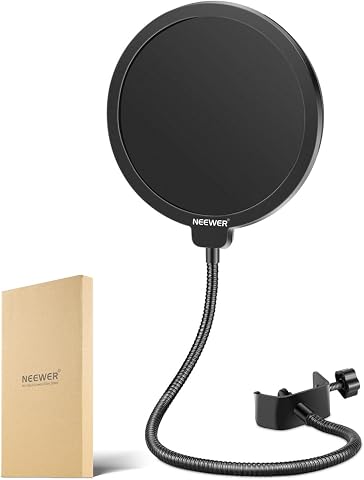
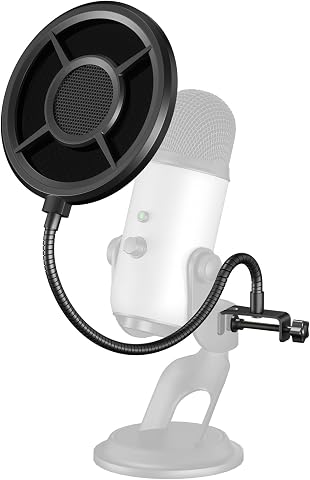
To maximize performance and longevity, consider accessories like a shock mount to reduce vibrations, a pop filter to minimize plosive sounds, and a sturdy boom arm or stand for positioning. An acoustic treatment in your recording space can also improve sound quality by reducing echo and background noise. Investing in these extras can make your recordings sound more professional and comfortable to produce.
Fall Picks
fall essentials
As an affiliate, we earn on qualifying purchases.