
Modern producers often combine the warmth of analog with the versatility of digital synthesizers to create unique sounds efficiently. Analog synths offer rich, organic tones with tactile controls, while digital workstations deliver extensive presets, editing, and integration with your studio setup. Choosing the right mix depends on your workflow and sound preferences. If you want to explore how blending these options can elevate your production, there’s plenty more to discover.
Key Takeaways
- Synth workstations combine both analog and digital features, offering versatile sound design options for modern producers.
- Digital workstations excel in flexibility, presets, and integration, making them ideal for dynamic, evolving production workflows.
- Analog synths provide organic, warm tones and tactile control, adding character and uniqueness to modern productions.
- Connectivity options like MIDI, USB, and CV/Gate ensure seamless hardware integration and studio expandability.
- Choosing between hardware, digital, or hybrid synth workstations impacts workflow, sound character, and future-proofing in music production.
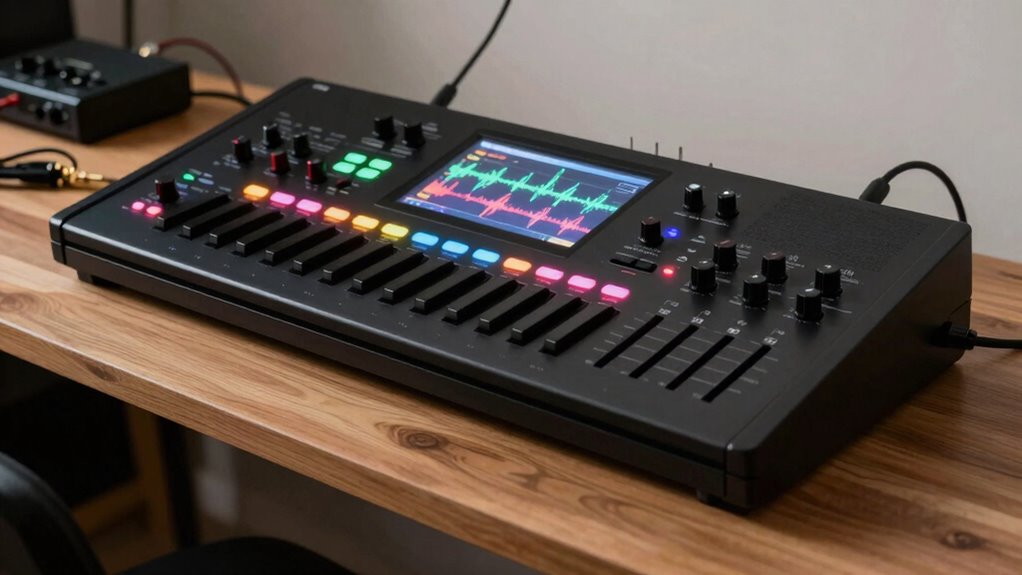
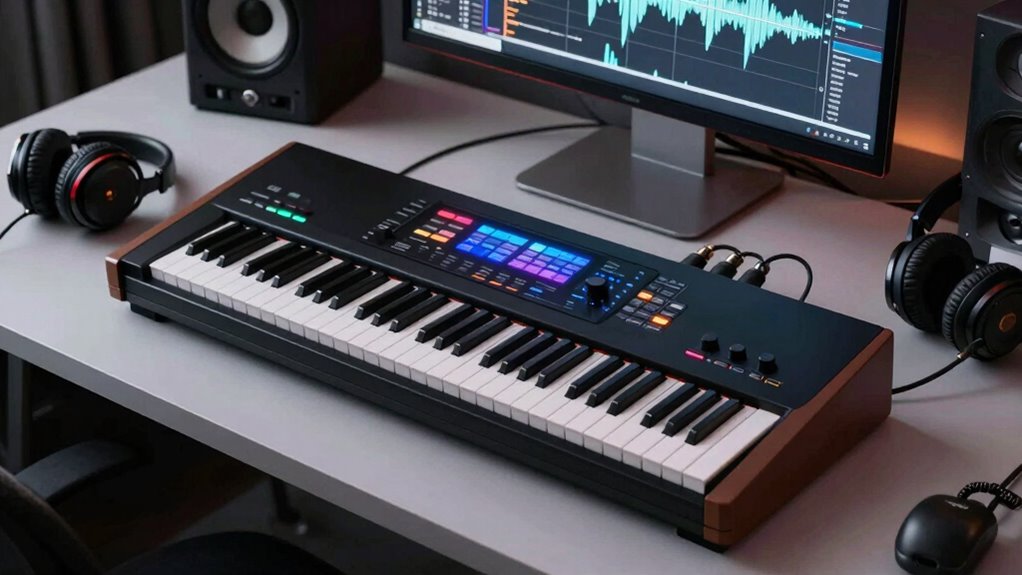
In today’s fast-paced music production landscape, synthesizer workstations have become essential tools for modern producers. They offer a versatile platform to craft sounds, sequences, and textures that define contemporary music. When exploring these workstations, one of the first considerations is whether to go for an analog or digital setup. Analog synthesizers are prized for their warm, rich tones and hands-on control, giving you a tactile experience that many musicians find inspiring. They often produce a more organic sound, with slight variations and imperfections that add character to your music. However, analog units tend to be more expensive, bulky, and require more maintenance, which can be a challenge in a fast-moving studio environment.
Digital synthesizers, on the other hand, excel in flexibility and affordability. They can emulate a broad spectrum of sounds, from classic vintage tones to futuristic textures, all within a compact package. Digital workstations often come loaded with extensive presets, editing capabilities, and integration options that streamline your workflow. This makes them especially appealing if you need a wide palette of sounds at your fingertips or if you’re working with limited space. Plus, digital synths are easier to update and expand, often through software upgrades or additional modules, ensuring your instrument stays current. Additionally, digital synthesizers are frequently designed with software integration in mind, allowing for smoother communication with your digital audio workstation and other studio gear. As technology advances, many digital synths also incorporate real-time control features to enhance live performance capabilities.
Hardware integration is another crucial factor when choosing a synth workstation. Modern producers tend to favor setups that seamlessly connect with their DAWs, MIDI controllers, and other studio gear. Top-tier hardware synths often feature all-encompassing MIDI implementation, multiple CV/Gate outputs, and USB connectivity, making it simple to incorporate them into your existing setup. You want a system that not only sounds great but also communicates effortlessly with your other equipment. This integration allows you to layer sounds, automate parameters, and control multiple devices simultaneously, giving you more creative freedom and reducing setup time. Incorporating hardware compatibility into your decision ensures your studio remains efficient and versatile. Choosing a system with expandable features can also future-proof your setup as your production needs evolve.
Some producers prefer dedicated hardware synths for their immediacy and reliability, while others lean toward digital workstations with software integration for their versatility. The key is finding a balance that suits your workflow and creative style. Whether you opt for the warmth of analog, the flexibility of digital, or a hybrid approach, the right choice enhances your production process. Ultimately, understanding the nuances of analog vs digital and how hardware integrates into your setup helps you select a synthesizer workstation that aligns with your goals, making your music sound as compelling as possible.

Korg Volca Bass Analog Synthesizer w/Three Oscillators and 16-step Sequencer
Powerful analog bass sound creation with three oscillators for a variety of bass sounds
As an affiliate, we earn on qualifying purchases.
As an affiliate, we earn on qualifying purchases.
Frequently Asked Questions
How Do Synth Workstations Compare to Software Plugins?
Synth workstations offer a tactile, hands-on experience that software plugins can’t fully replicate. You get vintage analogs and hardware, providing authentic sound and intuitive sound customization. While plugins give you endless presets and portability, workstations shine with their real-time controls and unique character. You’ll enjoy a more immersive process, blending classic tones with modern flexibility, making them a powerful tool for creative producers seeking both vintage feel and hands-on control.
Are Synth Workstations Suitable for Live Performance?
Yes, synth workstations are suitable for live performance because they offer excellent performance versatility. Their user interface is designed for quick access to sounds and controls, making real-time adjustments seamless. You can easily navigate through patches, tweak parameters, and layer sounds on the fly. This intuitive setup helps you stay focused on your performance without getting bogged down in complex menus, ensuring a smooth and engaging live experience.
What Are the Maintenance Requirements for Hardware Synths?
Did you know most hardware synths can last over 10 years with proper care? You need to regularly clean and check connections for hardware durability, preventing dust buildup and ensuring smooth operation. Firmware updates are essential—they fix bugs and enhance features. Keep your synth’s software current, and handle the hardware gently to extend its lifespan, making your investment worthwhile and your music production smoother.
Can Synth Workstations Be Integrated With DAWS?
Yes, synth workstations can be integrated with DAWs easily. You’ll want to focus on hardware integration and MIDI compatibility, ensuring your workstation connects smoothly via USB or MIDI cables. Most modern workstations support MIDI sequencing, allowing you to record, edit, and control sounds directly from your DAW. This setup streamlines your workflow, giving you flexibility and creative control over your music production process.
What Is the Typical Lifespan of a Synth Workstation?
A synth workstation typically lasts around 10 to 15 years, but vintage models can remain valuable for decades. Regular firmware updates help extend its lifespan by fixing bugs and adding features, ensuring your gear stays relevant. With proper care, you can enjoy your workstation for years, though technology advances might eventually make newer models more appealing. Staying updated and maintaining your equipment is key to maximizing its longevity.

Studiologic – NUMA COMPACT X SE – Digital piano, organ and synthesizer 88 notes semi-weighted touch – 2x10W amplification
88 note semi-weighted keyboard with aftertouch
As an affiliate, we earn on qualifying purchases.
As an affiliate, we earn on qualifying purchases.
Conclusion
So, next time you’re dazzled by a shiny synth workstation, remember—they’re fundamentally Swiss Army knives with a few missing tools. Sure, they promise endless soundscapes and creative freedom, but sometimes, all you really need is a simple setup and a little patience. Ironically, in trying to simplify your workflow, you might just end up buried in features you’ll never use. The truth? Less often means more—unless you’re aiming for a cluttered studio.
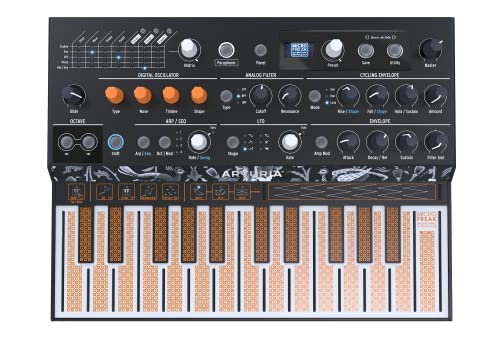
Arturia – MicroFreak Synthesizer Keyboard – 25-Key Hybrid Synth with PCB Keyboard, Wavetable & Digital Oscillators, Analog Filters
EXPERIMENTAL HYBRID SYNTH: MicroFreak packs so much into such a compact instrument, you'll wonder how we did it….
As an affiliate, we earn on qualifying purchases.
As an affiliate, we earn on qualifying purchases.

Akai Professional LPK25 – USB MIDI Keyboard Controller with 25 Responsive Synth Keys for Mac and PC, Arpeggiator and Music Production Software,black
Mini Keys, Major Performance – 25-key MIDI controller keyboard with responsive keys to play with feel and dynamics;…
As an affiliate, we earn on qualifying purchases.
As an affiliate, we earn on qualifying purchases.