

To create a trio of interpretations like Alex, Sarah, and Lisa on “Microcosmic Symphony,” you combine their unique views: Alex sees musical symbolism as a reflection of chaos and order, analyzing motifs and harmony; Sarah focuses on its storytelling through shifts in melody and structure, viewing it as a layered narrative; Lisa connects emotionally, relating the symphony to personal feelings and human experience. Exploring their perspectives reveals the richness behind the piece—keep going to uncover how their insights intertwine.
Key Takeaways
- Develop distinct interpretive angles: musical symbolism, narrative perspectives, and emotional resonance to showcase diverse insights.
- Assign each individual (Alex, Sarah, Lisa) a specific interpretive focus aligned with their analytical strengths.
- Incorporate examples of motifs, structural shifts, and visual cues to illustrate each interpretation clearly.
- Highlight how combining perspectives enriches understanding of “Microcosmic Symphony” as layered and multifaceted.
- Emphasize the importance of personal and subjective responses alongside structural analysis for a comprehensive trio.

Interpreting a piece of art or literature often involves exploring multiple perspectives to uncover its deeper meaning. When it comes to “Microcosmic Symphony,” a complex multimedia artwork, this process becomes even more essential. You might notice that each viewer’s understanding hinges on how they interpret musical symbolism and narrative perspectives. Alex, for example, approaches the piece as a reflection of chaos and order. To him, the swirling melodies and dissonant harmonies symbolize the tumult within human consciousness. He sees the artwork as a narrative about struggle—how conflicting forces coexist within us, shaping our perception of reality. Alex’s perspective emphasizes the importance of musical symbolism to decode the emotional landscape of the piece. He listens for hidden motifs and recurring themes, believing they reveal the artist’s intent and the underlying message.
Sarah, on the other hand, emphasizes narrative perspectives. She interprets “Microcosmic Symphony” as a story told through sound and visual cues, viewing it as a journey through different states of being. For her, the artwork’s shifting tempos and contrasting textures represent different narrative voices—perhaps an inner dialogue or a dialogue between characters. Sarah focuses on how the piece’s structure guides her through its story, paying close attention to the shifts and the way the music mirrors the visual elements. Her interpretation hinges on understanding the narrative perspectives embedded within the work, which gives her insight into its layered storytelling. She believes that by examining how the different perspectives intertwine, she can better grasp the overarching theme of interconnectedness.
Lisa’s approach combines both these elements but adds her own emphasis on emotional resonance. She sees “Microcosmic Symphony” as a reflection of her own inner world, using the musical symbolism to connect with feelings of longing, hope, or despair. Lisa interprets the narrative perspectives as a way of understanding human experience—how different voices or viewpoints shape our understanding of reality. To her, the piece is less about deciphering a specific story and more about feeling the myriad emotions it evokes. She encourages viewers to let their personal reactions guide their interpretation, making her perspective deeply subjective but equally valid. For Lisa, the richness of the artwork lies in its ability to evoke individual emotional responses through layered symbolism and shifting narrative perspectives.
Together, these interpretations show how “Microcosmic Symphony” invites multiple readings. Whether through the lens of musical symbolism, narrative perspectives, or personal emotion, each perspective opens a different facet of its meaning, enriching your understanding of this intricate piece.

The Rhythm Book: Studies in Rhythmic Reading and Principles (Dover Books On Music: Analysis)
As an affiliate, we earn on qualifying purchases.
As an affiliate, we earn on qualifying purchases.
Frequently Asked Questions
How Do Individual Backgrounds Influence Each Interpretation?
Your individual backgrounds shape your interpretations by shaping your perspectives through cultural influences and personal experiences. When you bring your unique history and cultural context into the analysis, it influences how you perceive themes and symbols. Personal experiences add depth to your understanding, allowing you to connect emotionally and intellectually. This diversity in backgrounds leads to richer, more nuanced interpretations, highlighting how your unique life journey colors your perception of the “Microcosmic Symphony.”
What Themes Are Most Commonly Associated With “Microcosmic Symphony”?
You might think “Microcosmic Symphony” is all about grandiosity, but it actually explores humility through symbolic motifs of tiny worlds and interconnected themes. Ironically, these thematic motifs remind you that life’s complexity often lies in the smallest details. Expect themes like unity, chaos, and introspection, all woven into symbolic motifs that challenge you to see the universe in a single cell or a fleeting moment.
How Do Alex, Sarah, and Lisa’s Interpretations Differ Stylistically?
You notice that Alex’s interpretation emphasizes bold, experimental stylistic contrasts, making the symphony feel dynamic and modern. Sarah’s approach focuses on subtle, nuanced details, highlighting interpretive nuances that evoke emotional depth. Lisa, meanwhile, employs a more traditional style, blending classical elements with contemporary touches. These stylistic contrasts showcase their unique perspectives, allowing each to bring distinct interpretive nuances to the piece, enriching its overall meaning.
What Emotional Responses Does the Piece Evoke Across Interpretations?
You’ll feel a whirlwind of emotion, from overwhelming wonder to deep introspection, sparked by this piece. Its emotional depth ignites passionate responses, making you see it through different lenses. Alex’s interpretation might evoke awe, Sarah’s might stir nostalgia, and Lisa’s could bring a sense of longing. This interpretive diversity creates a rich tapestry of feelings, proving how art’s emotional power can be endlessly varied, touching each person uniquely.
Are There Any Common Symbols Shared Among the Three Interpretations?
Yes, you’ll notice that all three interpretations share symbolic motifs and shared imagery. These common elements, like swirling patterns and celestial references, connect their perspectives and deepen your understanding of the piece. You’ll see how these symbolic motifs serve as a unifying thread, allowing you to explore different emotional responses while recognizing the recurring imagery that ties each interpretation together, enriching your overall appreciation of “Microcosmic Symphony.”
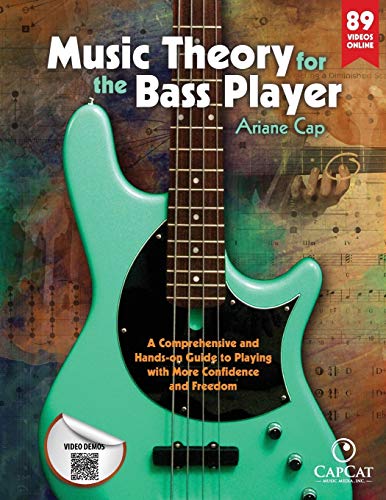
Music Theory for the Bass Player: A Comprehensive and Hands-on Guide to Playing with More Confidence and Freedom (The Bass Player’s Method: Fretboard Fluency & Musical Freedom)
As an affiliate, we earn on qualifying purchases.
As an affiliate, we earn on qualifying purchases.
Conclusion
As you step back, see these voices intertwining like a delicate dance, each adding their unique hue to the vibrant tapestry of the “microcosmic symphony.” Together, they form a universe of meanings, shimmering with life’s subtle melodies. Embrace how each perspective paints a tiny universe within, reminding you that even the smallest notes create the grandest symphony. In this harmony, your understanding blooms, revealing the profound beauty in life’s intricate, tiny symphonies.
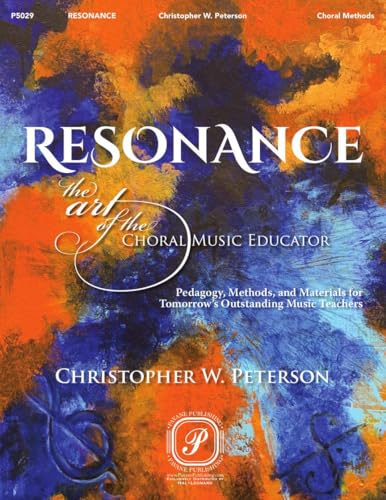
Resonance: The Art of the Choral Music Educator by Christopher W. Peterson | Choral Pedagogy and Methods Sheet Music Textbook for Choir Teachers | Music Book for Vocal Instructors and Conductors
Choral Music Teacher Training: Christopher Peterson's Modern Methods Now in a Textbook
As an affiliate, we earn on qualifying purchases.
As an affiliate, we earn on qualifying purchases.

Theory & Harmony for the Contemporary Musician
Pages: 112
As an affiliate, we earn on qualifying purchases.
As an affiliate, we earn on qualifying purchases.