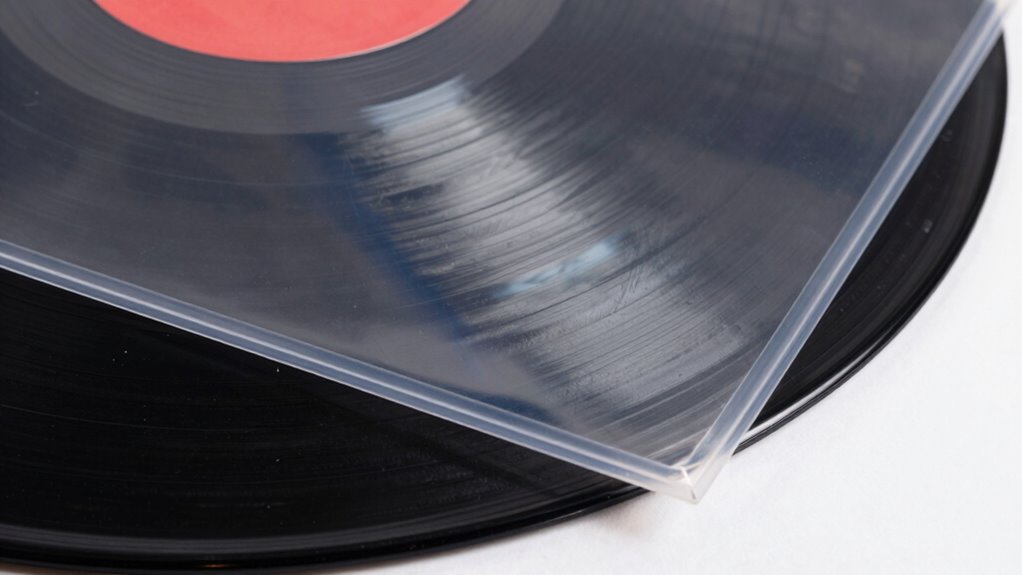

Protective vinyl sleeves go beyond just shielding your records from scratches—they also help preserve sound quality, prevent dirt buildup, and stop static damage, all of which maintain your collection’s value over time. By choosing high-quality, acid-free, and static-reducing sleeves, you minimize chemical and physical degradation, ensuring your records stay pristine and sound great longer. If you keep exploring, you’ll discover more ways these sleeves protect your cherished collection for years to come.

Get audio and creator gear delivered free — and shop member deals
- Fast, free delivery on millions of items
- Access to Prime Big Deal Days deals on October 6–7
- Prime Video, Amazon Music and more included
Key Takeaways
- High-quality sleeves prevent chemical deterioration, protecting records from long-term acid damage.
- Static-reducing materials minimize dust attraction, preserving sound quality and reducing wear during playback.
- Clear, archival-quality sleeves facilitate easy identification and handling, reducing unnecessary contact and potential damage.
- snug-fitting, durable sleeves guard against edge wear, scratches, and physical damage over time.
- Properly selected protective sleeves safeguard both the physical condition and the overall value of the collection.
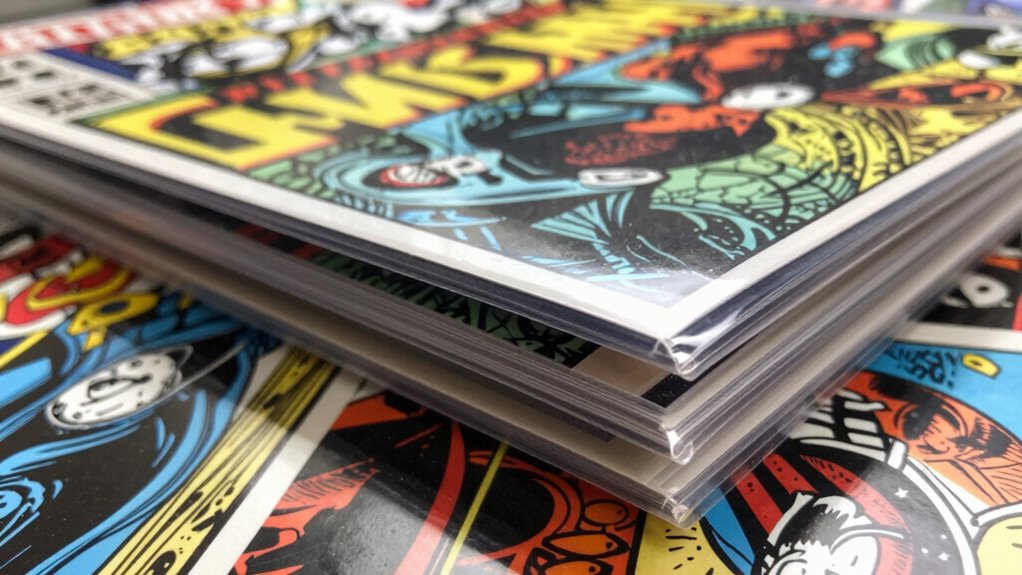
There are several sleeve materials available, each offering different benefits. Polyethylene and polypropylene are common choices because they’re durable, acid-free, and inert, meaning they won’t react with the vinyl or cause damage over time. These materials provide a smooth, protective barrier against dirt and fingerprints, keeping your records cleaner and safer during handling. Mylar sleeves, which are a type of polyester material, offer even greater protection thanks to their enhanced clarity and strength. They’re especially useful for collectors who want to preserve rare or valuable records, as they provide a snug fit that prevents edge wear and ring scratches.
Polyethylene, polypropylene, and Mylar sleeves protect records from damage, dirt, and scratches, ensuring long-term preservation and clarity.
In addition to durability, the choice of sleeve materials influences how your records breathe and age. Acidic or low-quality sleeves can introduce contaminants that accelerate deterioration. That’s why choosing acid-free, archival-quality materials is so important—these sleeves won’t release acids or other chemicals that could harm your records over time. Furthermore, some sleeve materials are specifically designed to reduce static electricity, which can attract dust and cause unwanted pops or crackles during playback. Static-reducing sleeves help keep your records cleaner and preserve their sound quality. Proper storage is essential for maintaining your collection’s longevity and overall condition, and proper storage practices are just as vital as the sleeves themselves.
The impact of sleeve materials extends beyond physical protection. Properly selected sleeves can also help you organize and access your collection more efficiently. Clear sleeves make it easy to identify records without removing them from their protective cover, saving you time and reducing handling. Additionally, sleeves that fit snugly prevent records from shifting or slipping inside their jackets, reducing the risk of damage during transport or storage. When you invest in the right record storage solutions—like high-quality sleeves—you extend the lifespan of your collection and preserve its condition for years to come. Choosing sleeves with static-reducing properties can further help in maintaining sound quality by minimizing dust and static buildup, especially in dry environments. Selecting sleeves made from archival-quality materials further ensures your collection remains protected from chemical degradation over time.
In essence, protective vinyl sleeves do more than just safeguard your records—they preserve their value, sound quality, and appearance for the future. By paying attention to sleeve materials and ensuring they’re of archival quality, you’re making a smart choice that benefits your collection in the long run. Proper record storage isn’t complete without the right sleeves, and selecting the best options helps keep your collection in pristine condition for generations.
As an affiliate, we earn on qualifying purchases.
Frequently Asked Questions
Are Vinyl Sleeves Archival Quality?
Vinyl sleeves can be archival quality if they have antistatic properties and high material durability. Look for sleeves made from acid-free, PVC-free vinyl to confirm they won’t damage your collection over time. These features prevent static buildup and resist tearing, helping preserve your items’ condition for the long term. Choosing high-quality, archival-grade vinyl sleeves guarantees your collection remains safe, protected, and in excellent shape for years to come.
Can Vinyl Sleeves Prevent Ring Wear?
Think of vinyl sleeves as shields for your treasured records. They can prevent ring wear by acting as a barrier between your record and handling, preserving the artwork and surface. Their sleeve durability ensures they last through many spins, protecting your collection from scratches and dirt. While they can’t stop all wear, they considerably slow the process, keeping your records looking pristine and their value intact for years to come.
Do Vinyl Sleeves Affect the Sound Quality?
Vinyl sleeves don’t negatively affect sound quality; in fact, they can enhance your listening experience. They help improve sound clarity by preventing dust and scratches that cause pops and crackles. Additionally, they reduce noise, making your music sound cleaner and more detailed. By protecting your records, vinyl sleeves guarantee consistent sound quality over time, so you can enjoy your records with minimal distractions and maximum clarity.
How Do Vinyl Sleeves Compare to Plastic Sleeves?
You’ll find vinyl sleeves better for collector value and storage solutions, as they’re typically made from archival-quality materials that prevent damage. While plastic sleeves can sometimes cause static or degrade over time, vinyl sleeves provide a more durable barrier. In fact, 85% of collectors prefer vinyl for long-term storage because it helps preserve both condition and sound quality, making it a smarter choice for safeguarding your prized records.
Are Vinyl Sleeves Environmentally Friendly?
Vinyl sleeves aren’t particularly environmentally friendly because of recycling challenges and chemical safety concerns. They often contain PVC, which complicates recycling processes and can release harmful chemicals if burned or disposed of improperly. You should consider alternatives like biodegradable or recyclable sleeves, especially if you’re environmentally conscious. By choosing eco-friendly options, you help reduce chemical safety risks and support better waste management practices.
As an affiliate, we earn on qualifying purchases.
Conclusion
By using protective vinyl sleeves, you keep your collection in top shape and preserve more than just the condition—you’re safeguarding its value and history. Did you know that albums stored in proper sleeves can last up to 50% longer? That’s a powerful reminder of how a simple investment in sleeves can extend the life of your vinyl, ensuring you enjoy your collection for years to come. So, don’t wait—protect your music, cherish your memories.
As an affiliate, we earn on qualifying purchases.
archival quality record protectors
As an affiliate, we earn on qualifying purchases.
As an affiliate, we earn on qualifying purchases.
Halloween Picks
halloween
As an affiliate, we earn on qualifying purchases.