
Royalty-free music can be a cost-effective way for you to license tracks for commercial projects without ongoing royalty payments. It usually involves a one-time fee and clear licensing terms that specify how you can use the music. However, “royalty-free” doesn’t mean free; you need to comprehend the license restrictions, especially regarding modifications or commercial rights. If you want to guarantee you’re fully compliant and explore the licensing models further, there’s more you should know.
Key Takeaways
- Royalty-free music reduces costs and simplifies licensing for commercial projects with a one-time payment.
- “Royalty-free” typically means no ongoing royalties, but licenses may have usage restrictions.
- Verify that Creative Commons licenses explicitly permit commercial use before using the music.
- Licensing terms may include restrictions on modifications, duration, and geographic use.
- Proper licensing ensures legal compliance and avoids potential legal issues in commercial releases.
When it comes to creating commercial content, choosing the right music can make all the difference, and royalty-free music offers an accessible, cost-effective solution. But understanding what makes royalty-free music suitable for commercial releases requires some insight into music licensing and licensing models like Creative Commons. Many people assume “royalty-free” means the music is free to use, but that’s not always the case. Instead, it typically means you pay once for a license that grants you the right to use the track without ongoing royalties. This simplifies the licensing process, enabling you to incorporate music into your commercials without worrying about additional payments each time the content airs.
Royalty-free music offers an affordable, licensing-simple solution for commercial content.
However, not all royalty-free music is created equally. Some tracks are released under Creative Commons licenses, which are a type of license that allows creators to specify how others can use their work. When you see music labeled under Creative Commons, it’s crucial to pay attention to the specific license type. Some Creative Commons licenses allow for commercial use, while others restrict it to non-commercial projects. If you’re producing a commercial, make sure the license explicitly permits commercial use—otherwise, you could face legal issues down the line. Many royalty-free libraries clearly state whether their music can be used commercially and under what conditions, simplifying your decision-making process. Being aware of the different licensing models, such as Creative Commons, helps you choose the right music for your project. Additionally, understanding the types of licenses involved can help you navigate the licensing landscape more effectively. It’s also important to consider the duration of licenses, as some may have time limits or specific geographic restrictions that impact your usage rights.
It’s also worth noting that the term “royalty-free” doesn’t automatically mean the music is free to use in any context. You’ll often need to purchase a license or subscribe to a service that grants you access to a library of tracks. Once you’ve obtained the appropriate license, you generally enjoy broad usage rights, but it’s still essential to read the license agreement carefully. Some licenses might restrict how you can modify the music or where you can use it, so understanding these details helps avoid potential legal pitfalls. Additionally, understanding the Gold IRA markets can be beneficial if you’re considering investing in alternative assets for your financial security, much like choosing the right licensing options for your creative projects. Being aware of licensing terms and conditions ensures you stay compliant and avoid costly legal issues.
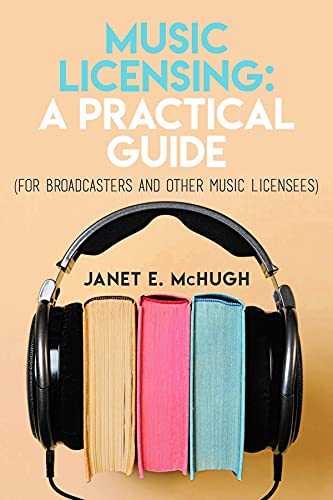
Music Licensing: A Practical Guide: For Broadcasters and Other Music Licensees
As an affiliate, we earn on qualifying purchases.
As an affiliate, we earn on qualifying purchases.
Frequently Asked Questions
Can Royalty-Free Music Be Customized for Specific Projects?
Yes, royalty-free music can often be customized for your specific projects through creative customization options. When you acquire music licensing, many providers offer edits, such as adjusting length, changing instruments, or altering the arrangement, to better fit your needs. This flexibility allows you to tailor royalty-free tracks, ensuring they seamlessly integrate into your project while maintaining the legal benefits of royalty-free licensing.
Are There Hidden Costs With Royalty-Free Music Licenses?
You might think the path is clear with royalty-free music, but hidden fees can lurk like shadows in the night. While licensing seems straightforward, some licenses come with limitations that could cost more if you exceed usage or need extended rights. Always read the fine print to avoid surprise costs, as hidden fees and licensing limitations can turn a simple track into a costly venture, like sailing into stormy waters unprepared.
How Do I Ensure the Music Is Truly Royalty-Free?
To guarantee the music is truly royalty-free, you need to carefully review the licensing terms and understand any restrictions. Always obtain music from reputable sources that clearly specify royalty-free status, avoiding platforms with vague or ambiguous licensing. Check for copyright concerns, such as limitations on commercial use or redistributions. By doing this, you protect yourself from legal issues and ensure you’re fully compliant with all licensing requirements.
Can I Use Royalty-Free Music in Multiple Commercial Projects?
Yes, you can use royalty-free music in multiple commercial projects, but you need to check the specific Music licensing terms. Many royalty-free tracks allow unlimited use across various projects, especially if you purchase a broad license. When creative editing, guarantee your modifications don’t violate licensing terms. Always review the license details to confirm the permitted usage and avoid potential legal issues.
What Are Common Restrictions When Using Royalty-Free Music?
When using royalty-free music, you might hit a few roadblocks. Common restrictions include limits on public performance, the number of copies you can produce, or specific usage types like reselling or embedding in products. Always check the licensing terms for copyright clearance and music licensing details. Remember, even royalty-free doesn’t mean unlimited—read the fine print to avoid stepping on toes and guarantee your project stays legit.

Gecko's Garage Real Vehicles Volume 2 (Trucks, Construction and Large Vehicles)
As an affiliate, we earn on qualifying purchases.
As an affiliate, we earn on qualifying purchases.
Conclusion
So, as you navigate the world of royalty-free music, it’s almost poetic how the right track often finds you just when you need it most. With careful selection, you’ll discover that what seemed like a coincidence can become an essential part of your project’s success. Trust your instincts, and remember, in this landscape, the perfect piece might be waiting quietly in the background—ready to elevate your work in ways you never expected.

Modern Vlog Music Background (Royalty Free)
As an affiliate, we earn on qualifying purchases.
As an affiliate, we earn on qualifying purchases.

Hey! That’s My Song!: A Guide to Getting Music Placements in Film, TV, and Media
As an affiliate, we earn on qualifying purchases.
As an affiliate, we earn on qualifying purchases.