When reviewing a live performance contract, you should clearly understand clauses about soundcheck procedures, equipment management, and liability. These sections specify setup times, who handles the soundchecks, and responsibilities if equipment is damaged or stolen. Don’t overlook details about power supply, safety requirements, payment terms, and cancellation policies. Knowing what’s expected prevents misunderstandings and protects your rights. If you want to make certain you’re fully prepared, there’s more to contemplate that can safeguard your performance experience.
Key Takeaways
- Clarify soundcheck procedures, including start times and whether performers can bring their own sound engineers.
- Define equipment management responsibilities and include a detailed cabling plan to prevent technical issues.
- Specify equipment liability and insurance coverage to protect against damage or theft during the event.
- Outline power requirements and safety protocols for electrical equipment to ensure safe operation.
- Detail payment terms, cancellation policies, and promotional responsibilities to align expectations and obligations.
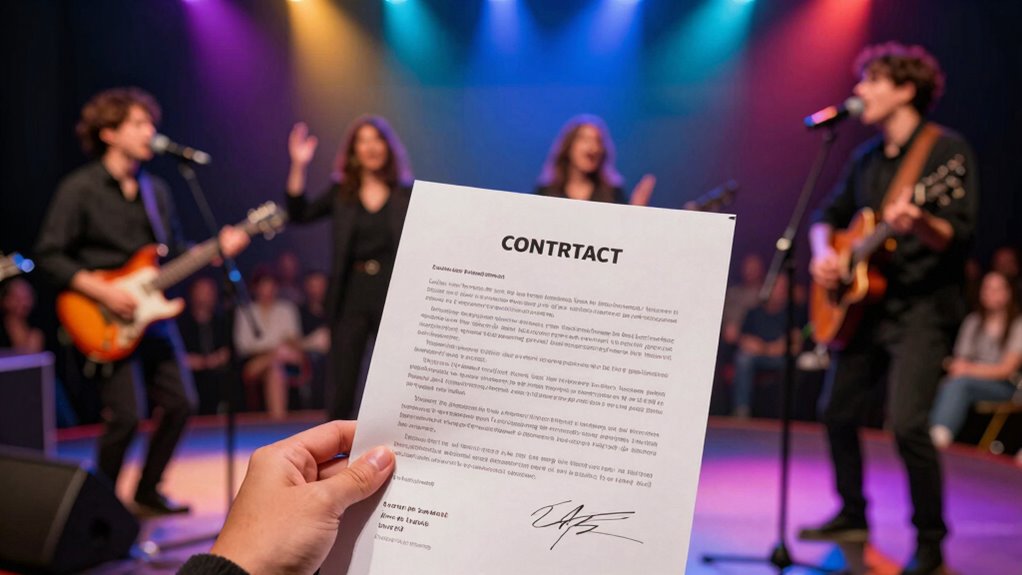
Are you preparing for a live performance and wondering how to protect your interests? One of the most important steps is understanding the key clauses in your live performance contract. These legal documents aren’t just formalities—they’re your safeguard against potential issues that could disrupt your show or even impact your reputation. When reviewing your contract, pay close attention to provisions related to soundcheck procedures. This clause outlines what time you’re allowed to start setting up and testing your equipment, ensuring you’re not rushed or kept waiting, which can affect your performance quality. It also specifies whether you can bring in your own sound engineer or if the venue’s team will handle sound checks. Clear soundcheck procedures help prevent misunderstandings and ensure everything runs smoothly on the day of the event. Additionally, check for cabling solutions that address how your equipment should be connected and maintained during the performance to avoid technical issues. Including a detailed cabling plan in your contract can help clarify responsibilities and prevent last-minute surprises. Another critical aspect to evaluate is equipment liability. This clause clarifies who’s responsible if your gear gets damaged or stolen during the event. You want to know whether the venue or promoter will cover repairs or replacements if something goes wrong. Understanding equipment liability protects you from unexpected expenses and helps you decide if you need additional insurance or security measures. Considering the electric power source requirements is also advisable, especially when dealing with high-powered equipment like electric bikes or generators, as it can affect your setup logistics and safety measures. It’s also helpful to review any provisions related to insurance requirements, which can provide extra protection in case of accidents or theft. It’s essential to review these details carefully because equipment issues can cause significant setbacks, affecting not only your performance but also your finances. Beyond these technical details, you should also look for clauses related to payment terms, cancellation policies, and promotional responsibilities. Knowing exactly when and how you’ll be paid helps you plan your finances, while cancellation clauses can protect you if the event gets canceled unexpectedly. Promotion clauses clarify your responsibilities for marketing the event and whether you’re expected to share promotional materials or participate in interviews. Being aware of these terms ensures you’re not caught off guard and can uphold your professional commitments effectively.
live performance soundcheck equipment
As an affiliate, we earn on qualifying purchases.
As an affiliate, we earn on qualifying purchases.
Frequently Asked Questions
How Are Payment Disputes Typically Resolved in Live Performance Contracts?
Payment disputes in live performance contracts are usually resolved through dispute resolution clauses, such as mediation or arbitration. You should guarantee the contract clearly states preferred payment methods and deadlines to prevent misunderstandings. When disagreements arise, you or the other party can initiate dispute resolution procedures, which help settle issues efficiently without going to court. Clear terms and communication are key to avoiding and resolving payment conflicts smoothly.
What Rights Do Musicians Retain Over Their Recorded Performances?
You hold onto your performance rights, meaning you retain control over how your recorded performances are used, shared, or licensed. Recording permissions are typically granted through the contract, but you should clearly specify your rights to prevent others from exploiting your work without consent. Don’t let your guard down; understanding these rights guarantees you keep a say in your recordings’ future and avoid being taken for a ride.
How Are Cancellations and Rescheduling Handled in Contracts?
In contracts, cancellations and rescheduling are typically addressed by specifying venue liability, including who bears costs if plans change unexpectedly. You’ll want clear clauses on performance duration, ensuring both parties agree on start and end times, even if rescheduling occurs. These provisions help protect you from unexpected liabilities, ensuring you’re aware of your obligations and rights if a show needs to be postponed or canceled, providing clarity and minimizing disputes.
What Insurance Requirements Should Be Included in a Contract?
You should include clear insurance requirements in your contract, specifying necessary insurance coverage like liability and property damage. Make certain the contract states who’s responsible for obtaining and maintaining this coverage. Liability clauses are essential to protect you from potential lawsuits if accidents happen during the event. By defining these insurance obligations upfront, you guarantee both parties understand their responsibilities and reduce the risk of disputes or financial loss.
Are There Standard Clauses for Merchandise Sales During Performances?
Yes, standard clauses for merchandise sales during performances often include merchandise licensing details and sales commissions. You should specify who holds the licensing rights, how merchandise will be displayed and sold, and the percentage or flat fee you’ll receive from sales. These clauses protect your rights and guarantee clear financial arrangements, helping you avoid disputes and maximize earnings from merchandise during your performances.
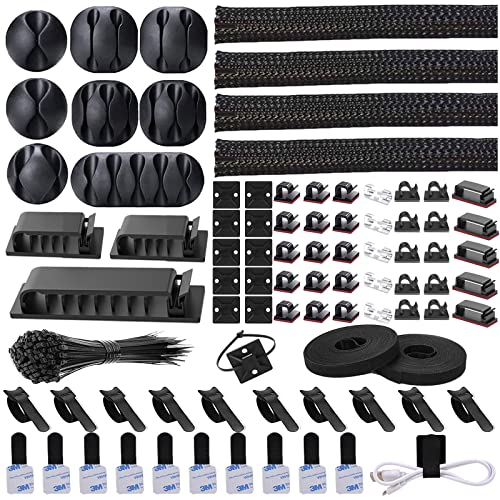
N NOROCME 192 PCS Cable Management Kit 4 Wire Organizer Sleeve,11 Cable Holder,35Cord Clips 10+2 Roll Cable Organizer Straps and 100 Fastening Cable Ties for Computer TV Under Desk, black,clear
Cable Management Kit: 4pcs Cable Sleeves( 20 in L x 0.4 in w), 20pcs reusable wire ties,35Cable Clips…
As an affiliate, we earn on qualifying purchases.
As an affiliate, we earn on qualifying purchases.
Conclusion
Understanding live performance contracts is essential to safeguard yourself and guarantee smooth gigs. For example, if you’re booked for a festival, knowing the cancellation and payment clauses can save you from surprises. Always review your contract carefully, ask questions, and don’t hesitate to negotiate terms that work for you. By doing so, you set yourself up for success and focus on delivering your best performance, knowing all the details are covered.

Insurance Agent Meeting Schedule: Undated Appointment Book: 12-Month Calendar Planner To Organize Meeting Time with Potential Clients: Address Book to Organize Client’s Contact Information
As an affiliate, we earn on qualifying purchases.
As an affiliate, we earn on qualifying purchases.
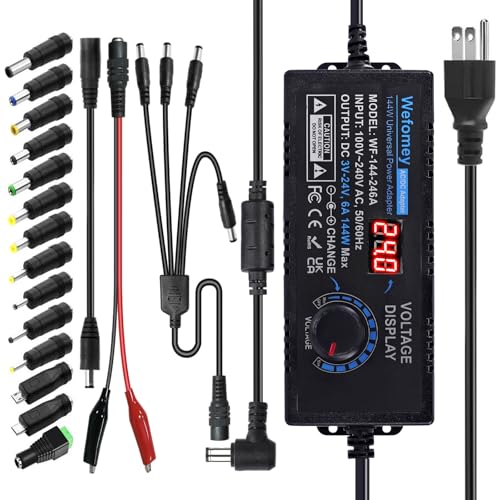
Universal Power Supply 3V~24V 6A 144W Adjustable Variable 3V 5V 9V 12V 18V 20V 24V AC/DC Adapter Charger, 100V-240V AC to DC Converter with 14 Tips, Polarity Converter and 4-Way Power Splitter Cable
Input: AC 100~240V, 50/60Hz; Output: DC 3~24V Adjustable, Max 6A 144W; It can apply to most appliances which…
As an affiliate, we earn on qualifying purchases.
As an affiliate, we earn on qualifying purchases.