Pop filters go beyond just blocking plosive sounds like “p” and “b”; they also protect your microphone from moisture, saliva, and unwanted noise. By acting as a barrier, they prevent moisture buildup that can damage sensitive components and cause distortion. This helps prolong your equipment’s life and keeps your audio clear and consistent. Staying protected with a pop filter means better sound quality over time, and if you keep exploring, you’ll discover even more ways they support your recordings.

Get audio and creator gear delivered free with Prime
- Fast, free delivery on millions of items
- Prime Video, Amazon Music and more included
- Member-only deals all year
Key Takeaways
- Pop filters prevent moisture and saliva from reaching microphone components, reducing corrosion and damage.
- They help maintain consistent audio quality by minimizing moisture-related distortion over time.
- Pop filters extend microphone lifespan by protecting delicate parts from moisture buildup and physical wear.
- They reduce maintenance costs by preventing the need for repairs caused by moisture damage.
- Pop filters create a cleaner recording environment, safeguarding equipment in small or confined recording spaces.
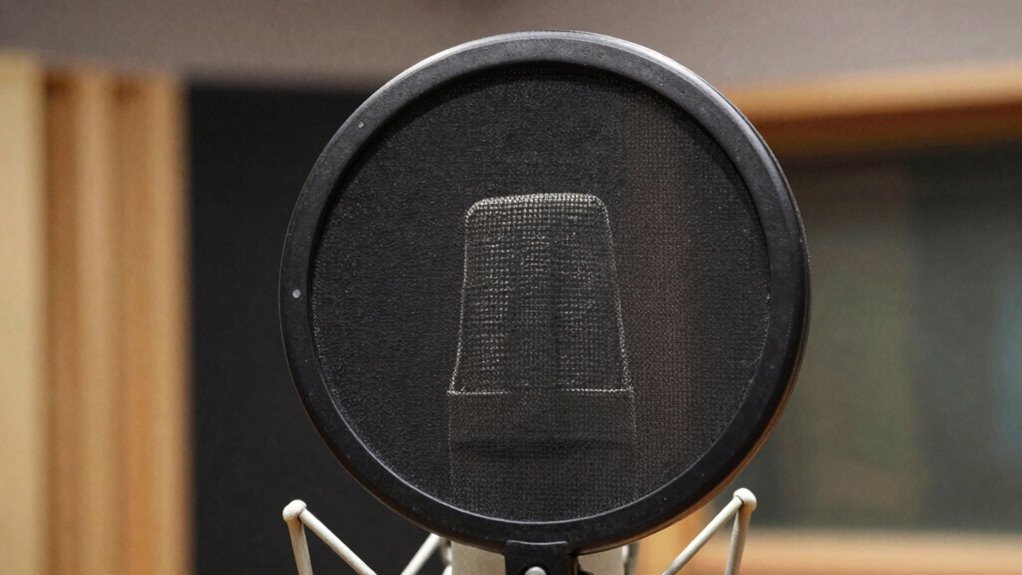
While pop filters are primarily known for reducing plosive sounds like “p” and “b,” their benefits extend far beyond that. When you use a pop filter, you’re not just preventing those harsh, disruptive bursts of air from hitting your microphone; you’re also enhancing the overall quality of your recordings. One key advantage is the added vocal warmth they help preserve. Without a pop filter, the force of plosive sounds can cause inconsistent audio levels, making your voice sound distant or muffled. A pop filter softens these explosive bursts, allowing your vocals to sound fuller and more natural. This results in recordings that capture the true richness of your voice, which is especially important if you’re aiming for professional-sounding audio. It’s about creating a smooth, warm tone that listeners can connect with, and a pop filter plays a subtle yet essential role in that process. Additionally, using a pop filter can help maintain sustainable small-space design by reducing the need for frequent equipment replacements, which can be particularly beneficial for those living in tiny homes or small studios. Proper microphone maintenance is also crucial, and a pop filter can be part of a comprehensive approach to protecting your gear. In fact, some studies show that equipment longevity can be significantly improved when proper protective measures—like using a pop filter—are employed regularly.
Beyond improving sound quality, a pop filter also markedly contributes to the longevity of your equipment. Microphones are delicate and expensive, and the constant impact of saliva and moisture can cause corrosion or damage over time. When you place a pop filter in front of your mic, you create a barrier that minimizes the amount of moisture and saliva reaching the microphone’s sensitive components. This protective layer helps keep your equipment in better condition for longer, reducing maintenance costs and the need for frequent repairs. Additionally, a well-maintained microphone can prevent unwanted noise or distortion caused by moisture buildup or corrosion, ensuring consistent audio clarity. In the long run, investing in a quality pop filter can save you money by extending the lifespan of your microphone. Additionally, it helps maintain consistent audio quality, because a well-maintained microphone is less likely to produce unwanted noise or distortion caused by moisture buildup or corrosion. Using a pop filter isn’t just about avoiding those obvious plosive sounds; it’s also about safeguarding your gear and improving your sound’s warmth and clarity. It acts as a shield, allowing your voice’s natural tones to come through without interference from harsh air bursts. This results in more polished recordings and a more professional presentation overall. Whether you’re recording vocals, streaming, or podcasting, a pop filter is a simple yet powerful tool that enhances your audio quality and protects your investment. It’s an essential piece of equipment that works silently behind the scenes, ensuring your voice sounds warm and your microphone stays in top condition for years to come.
As an affiliate, we earn on qualifying purchases.
Frequently Asked Questions
Do Pop Filters Improve Overall Sound Quality?
Yes, pop filters improve overall sound quality by enhancing sound clarity and vocal warmth. They reduce harsh plosive sounds that can distort recordings, allowing your voice to sound smoother and more professional. With a pop filter, your recordings will have clearer lyrics and a warmer tone, making your vocals stand out. This simple tool helps you achieve a polished sound, whether you’re recording vocals for music, podcasts, or voiceovers.
Can Pop Filters Prevent Microphone Damage?
Yes, pop filters can help prevent microphone damage by reducing saliva and moisture buildup, which can harm the mic’s internal components. This protection extends microphone longevity, ensuring it lasts longer and stays functional. Additionally, pop filters improve vocal clarity by preventing unwanted plosive sounds from reaching the microphone, resulting in cleaner, more professional audio. So, using a pop filter benefits both your equipment and the quality of your recordings.
Are Pop Filters Necessary for All Recording Environments?
Pop filters aren’t necessary for all recording environments, but they do improve vocal warmth by reducing harsh plosive sounds and help cut down background noise. If you’re recording in a noisy space or want cleaner audio, using a pop filter is a smart choice. It also protects your microphone from moisture and saliva, ensuring better sound quality and longer equipment life, especially in less controlled settings.
How Do Pop Filters Affect High-Frequency Sounds?
Pop filters can slightly attenuate high-frequency sounds, which might affect vocal clarity. When you use a pop filter, it can reduce some high-frequency energy, leading to a softer or muffled sound. However, this attenuation is usually minimal and helps prevent harsh plosive sounds from distorting your recordings. Overall, pop filters balance protecting your microphone from unwanted noise while maintaining the clarity of your vocals, especially in high frequencies.
Can DIY Pop Filters Be as Effective as Commercial Ones?
DIY pop filters can be quite effective if you focus on good construction, but they might not match commercial ones in durability. Using materials like nylon stockings stretched over a sturdy frame provides decent protection against plosives and high-frequency sounds. However, for long-term use and consistent performance, commercial filters typically offer better material durability and precision. With careful DIY construction, you can achieve satisfactory results, but expect some limitations over time.
microphone moisture protection cover
As an affiliate, we earn on qualifying purchases.
As an affiliate, we earn on qualifying purchases.
Conclusion
So, next time you think pop filters are just for avoiding those pesky “p” and “b” sounds, think again. They silently guard against more than you realize—like protecting your mic from moisture, dust, and even pesky spit. Who knew something so simple could be so essential? Ironically, it’s often the least glamorous gear that keeps your recordings crisp and clear. So, give your pop filter a little more credit — it’s the unsung hero of your setup.
As an affiliate, we earn on qualifying purchases.
microphone windscreen with saliva guard
As an affiliate, we earn on qualifying purchases.
As an affiliate, we earn on qualifying purchases.
Fall Picks
fall essentials
As an affiliate, we earn on qualifying purchases.