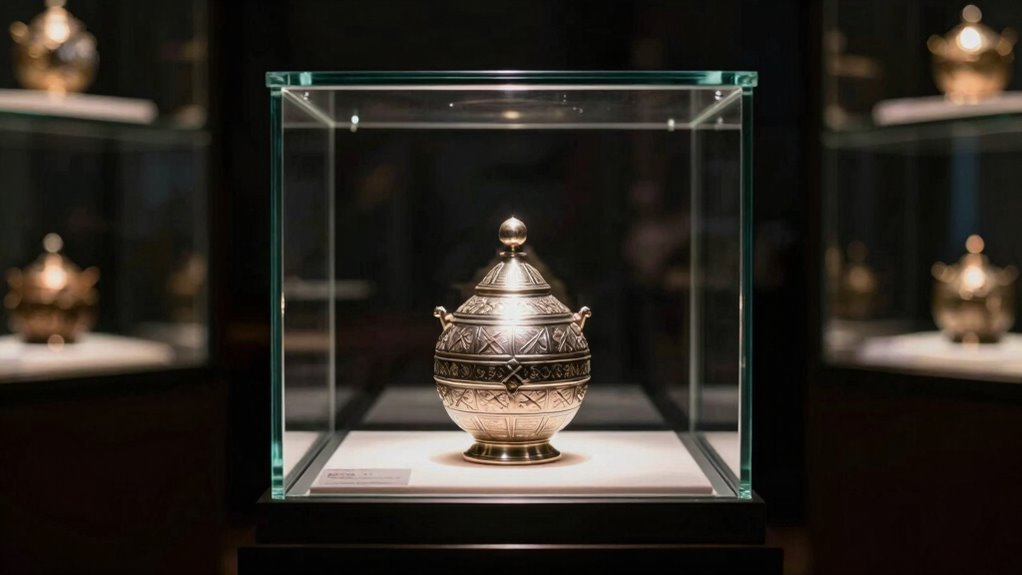

Scarcity makes items seem more valuable and desirable because it taps into your emotional connections and desire for uniqueness. When something feels rare, you’re more likely to see it as special, boosting its status and making you want it more. This sense of exclusivity can increase your motivation to acquire these items and even justify higher prices. If you want to understand how scarcity influences your choices and how to use it wisely, keep exploring these fascinating psychological insights.

Get audio and creator gear delivered free — and shop member deals
- Fast, free delivery on millions of items
- Access to Prime Big Deal Days deals on October 6–7
- Prime Video, Amazon Music and more included
Key Takeaways
- Scarcity enhances perceived value, making items seem more desirable and worth pursuing.
- Limited availability creates urgency, motivating quicker and more impulsive purchases.
- Rarity elevates an item’s social status, fulfilling collectors’ desire for uniqueness and recognition.
- Scarcity fosters emotional bonds, as items symbolize personal stories and aspirations.
- Perception of rarity influences motivation, driving collectors to seek and acquire scarce objects.
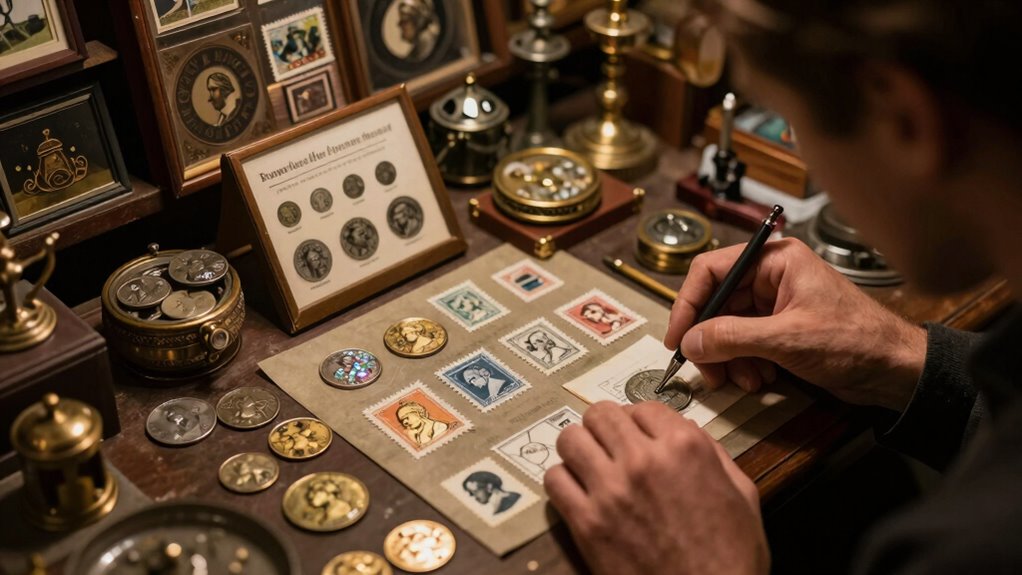
Ever wonder what drives people to amass collections of rare and valuable items? It’s a fascinating mix of psychology and perception that fuels this behavior. At the core, emotional attachment plays a significant role. When you collect something—be it stamps, art, or vintage toys—you often develop a personal connection to these items. They represent memories, aspirations, or a sense of identity. This emotional bond makes each piece more than just material; it becomes part of your story. Because of this attachment, the act of acquiring rare items isn’t just about possession but about securing a piece of something meaningful. You’re not simply buying an object—you’re adding a chapter to your collection, reinforcing your personal narrative. Additionally, the perception of value perception can be significantly heightened by the rarity of items. Value perception is another key factor that influences your buying behavior, especially when scarcity comes into play. When an item is rare, its perceived value skyrockets in your eyes. You start to see it as more desirable, more exclusive, and worth pursuing at almost any cost. Scarcity creates a sense of urgency and importance that can distort your usual valuation process. Suddenly, what might have been a modest purchase becomes a coveted prize. This shift isn’t just about the monetary worth but about the significance you assign to owning something scarce. The rarity amplifies the item’s desirability, making it seem more special and inherently more valuable. It’s a psychological effect—when you believe an item is hard to find, you naturally want it more, elevating its status in your mind. Furthermore, scarcity influences your perception of social status. Owning rare items can signal your uniqueness or belonging to a select group of collectors. It reinforces feelings of achievement and prestige, which fuels your motivation to seek out and display these items. You might justify paying a premium because the scarcity elevates the collection’s overall worth—not just in monetary terms but in social capital as well. Recognizing how the psychology of scarcity influences buying behavior can help you better understand the motivations behind collecting. Understanding these collecting motivations can also assist you in making more informed decisions about your own acquisitions. Moreover, the landscape of collectibles is constantly evolving, which can impact the perception of scarcity and value over time. Additionally, awareness of technological advancements in authentication and valuation can further influence how scarcity and desirability are perceived in the collecting community.
limited edition collectible stamps
As an affiliate, we earn on qualifying purchases.
As an affiliate, we earn on qualifying purchases.
Frequently Asked Questions
How Does Scarcity Influence Emotional Attachment to Collectibles?
Scarcity boosts your emotional resonance with collectibles, making them feel more unique and valuable. As you seek rare items, you develop a stronger attachment, believing they hold special significance. This scarcity-driven attachment develops through the thrill of the hunt and the fear of missing out, intensifying your emotional connection. Ultimately, limited availability makes your collectibles feel more personal and meaningful, deepening your attachment over time.
Can Scarcity Create False Demand Among Collectors?
Scarcity can indeed create false demand among collectors, much like a magician’s illusion tricks the eye. When market manipulation or authenticity concerns flood the scene, collectors might chase rare items that aren’t genuinely valuable, inflating prices artificially. This false demand can lead to misguided investments, making collectors believe they’re securing rare treasures, when in reality, they’re caught in a fabricated hype that distorts true value.
What Psychological Biases Are Involved in Scarcity-Driven Buying?
Scarcity triggers psychological biases like loss aversion and the fear of missing out, which influence your buying decisions. These biases amplify market dynamics, making you more impulsive because you fear losing the chance to own a rare item. When scarcity is perceived, your brain prioritizes immediate gratification over rational thinking, pushing you toward spontaneous purchases driven by the thrill of owning something limited.
How Does Scarcity Affect the Perceived Value of Collectibles?
Scarcity boosts the perceived value of collectibles because it creates a sense of exclusivity, making you believe the item is rare and highly desirable. When market saturation is low, your perception of scarcity intensifies, further elevating value. However, authenticity concerns can influence this perception; if a collectible’s scarcity is questioned, its perceived worth drops. Ultimately, scarcity makes you value collectibles more, especially when authenticity is clear and market supply remains limited.
Are There Risks to Overvaluing Rare Items?
Absolutely, overvaluing rare items can lead to significant setbacks. You risk inflating the item’s worth, which can trigger market volatility and diminish actual value. When you place too much importance on rarity, you might ignore genuine market trends, causing emotional overinvestment. This overvaluation clouds judgment, making it harder to recognize when a market bubble is bursting, ultimately risking financial loss and disappointment.
As an affiliate, we earn on qualifying purchases.
Conclusion
You see, just like a lighthouse’s beam draws ships closer in the fog, scarcity pulls you toward acquiring. Remember the story of the rare stamp collector who traded three common stamps for a single elusive one, driven by the thrill of rarity? That’s the power of scarcity—fueling a desire that’s hard to resist. When something feels limited, your instincts tell you it’s more valuable. Recognize this pull, and you can make smarter choices in your own collecting journey.
As an affiliate, we earn on qualifying purchases.
scarcity themed collector's items
As an affiliate, we earn on qualifying purchases.
As an affiliate, we earn on qualifying purchases.
Fall Picks
fall essentials
As an affiliate, we earn on qualifying purchases.